Your roof absorbs heat all day long. In a hot climate, that absorbed heat can raise your attic temperature by 40°F or more — and your air conditioner pays the price. Cool roofing materials solve this by reflecting sunlight instead of absorbing it. The result is a cooler attic, lower energy bills, and a longer-lasting roof system.
Cool roofs aren’t a single product. They’re a category covering reflective coatings, metal panels, tile, and specialty shingles — each with different performance levels, costs, and ideal climates. This guide covers all of them with the specific data you need to make the right choice.
Key Takeaways
- Cool roofs work by reflecting solar energy rather than absorbing it, which reduces heat transfer into your home.
- Two core metrics define performance: solar reflectance (SR) and thermal emittance (TE). Higher is better for both.
- ENERGY STAR-rated cool roofs must meet minimum SR thresholds set by the EPA — these are the benchmarks to look for when comparing products.
- Energy savings range from 7% to 15% on cooling costs for most homes in warm climates, with higher savings in hot, sunny regions like the Southwest.
- Metal roofing and clay tile top the performance charts, while reflective coatings offer a budget-friendly upgrade path for existing roofs.
- Cool roofing can backfire in cold climates — reflective surfaces also reduce passive solar heat gain in winter, increasing heating costs slightly.
- Federal tax credits and utility rebates are available for qualifying cool roof installations in many states.
What Makes a Roof “Cool” and How Does It Work?
Quick Answer: A cool roof reflects a high percentage of sunlight and releases absorbed heat quickly. The two key measurements are solar reflectance (0 to 1 scale) and thermal emittance (0 to 1 scale). ENERGY STAR requires at least 0.25 SR for steep-slope roofs and 0.65 SR for low-slope roofs.
Standard dark asphalt shingles have a solar reflectance of around 0.05 to 0.15. That means they absorb up to 95% of the sun’s energy. Cool roofing materials flip that equation.
Two measurements tell you how well a cool roof performs:
- Solar Reflectance (SR): The fraction of sunlight reflected away. A value of 1.0 means 100% reflection. A value of 0.1 means 90% absorption.
- Thermal Emittance (TE): How efficiently the roof releases heat it does absorb. A value of 0.9 means 90% of absorbed heat radiates back into the sky rather than into your attic.
These two values combine into a single metric called the Solar Reflectance Index (SRI). The higher the SRI, the cooler the roof. A standard black roof has an SRI near 0. A white reflective coating can reach an SRI of 100 or higher.
What Is the ENERGY STAR Cool Roof Standard?
ENERGY STAR is the EPA’s voluntary certification program for energy-efficient products. For roofing products, the program sets minimum solar reflectance requirements that products must maintain after weathering — not just when brand new.
| Roof Slope | Initial SR (New) | Aged SR (3-Year) | Initial TE |
|---|---|---|---|
| Low-slope (≤ 2:12 pitch) | 0.65 | 0.50 | 0.90 |
| Steep-slope (> 2:12 pitch) | 0.25 | 0.15 | N/A (tested) |
The aged SR matters more than the initial SR. Dirt, algae, and UV exposure degrade reflectance over time. Products that can’t hold their rating after three years don’t qualify.
What Are the Main Types of Cool Roof Materials?
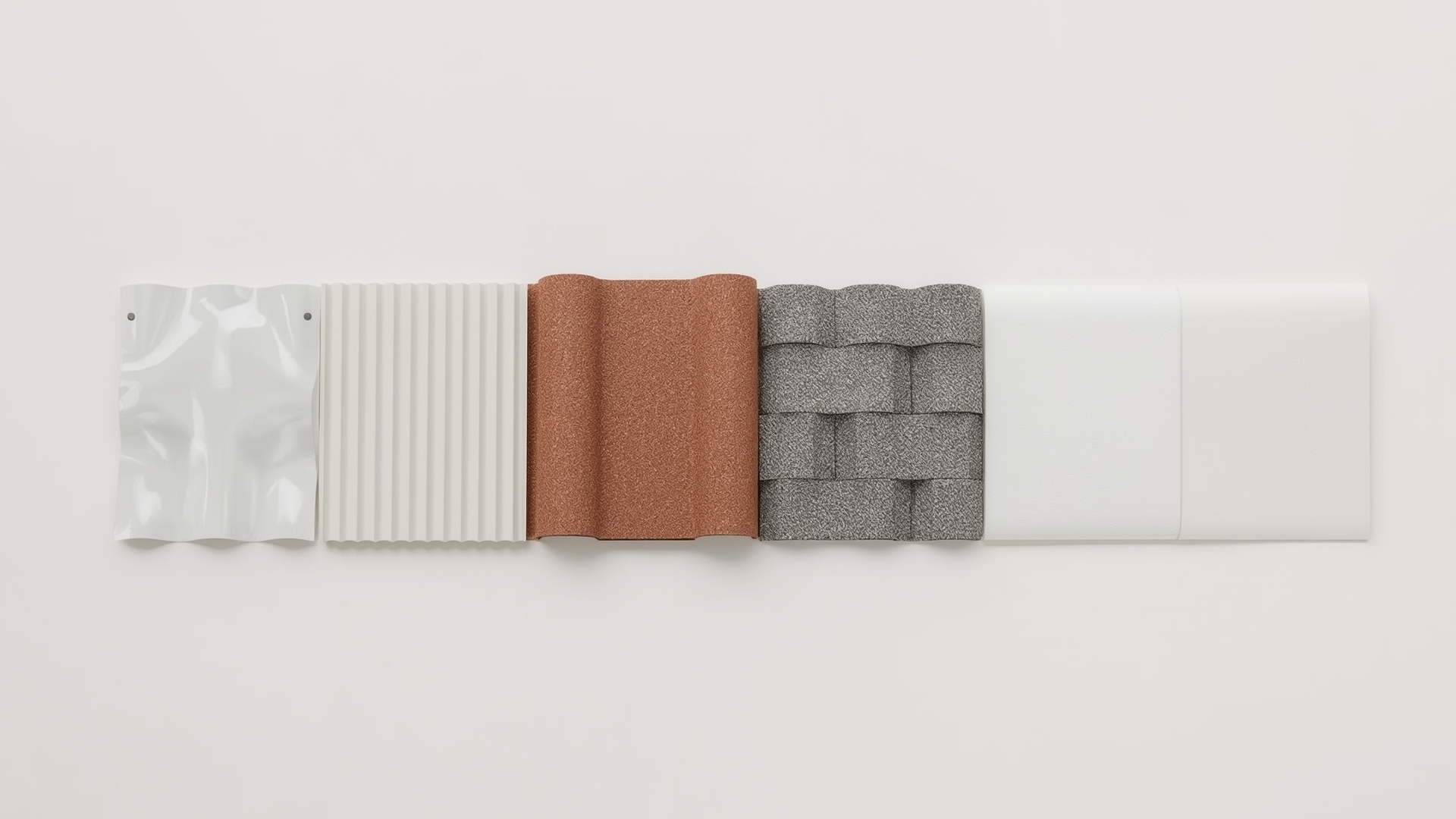
Quick Answer: The five main cool roof material types are reflective coatings, metal panels, cool-pigment asphalt shingles, clay or concrete tile, and single-ply membranes. Each suits different roof slopes, budgets, and climate zones.
Reflective Roof Coatings
Reflective coatings are liquid-applied products that go on top of your existing roof. They work on flat roofs, low-slope roofs, and some steep-slope materials. Think of them as a highly reflective paint layer that bonds to your existing roof surface.
Common coating types include:
- Elastomeric acrylic coatings: Water-based, highly flexible, UV-resistant. Best for flat and low-slope roofs. SR up to 0.85.
- Silicone coatings: Excellent water resistance and UV stability. Holds reflectance longer than acrylic. SR up to 0.90.
- Aluminum-pigment coatings: Metal-flake content provides good reflectance. SR typically 0.45 to 0.65.
- Polyurethane spray foam with reflective topcoat: Adds insulation value (R-6 to R-7 per inch) alongside reflectance.
Metal Roofing Panels
Metal roofing is one of the best-performing cool roof categories available. Bare and painted metal panels reflect solar energy naturally, and most can receive cool-pigment coatings that push SR values even higher.
Metal roofs suitable for cool roofing include standing seam panels, exposed-fastener corrugated panels, and metal shingles. Light-colored or bare Galvalume steel has a naturally high SR.
Cool-Pigment Asphalt Shingles
Standard asphalt shingles are poor performers for reflectance. But some manufacturers use infrared-reflective pigments in darker colors. These “cool shingles” achieve higher SR than traditional shingles without requiring a white or light color.
Cool-pigment shingles typically reach an SR of 0.25 to 0.35 — enough to earn ENERGY STAR certification for steep-slope applications. They’re the easiest upgrade for homeowners who want cool roof benefits without changing their home’s look.
Clay and Concrete Tile
Clay and concrete tile have naturally high thermal mass — they absorb heat during the day and release it slowly. Lighter-colored tiles also provide strong solar reflectance. Light-colored clay tile can reach an SRI of 36 to 50, and some ENERGY STAR-certified concrete tiles exceed SRI 40.
The air gap under tile (from the raised profile) adds another layer of performance. Air circulates under the tile, carrying heat away before it reaches the roof deck.
Single-Ply Membranes (Commercial and Flat Roofs)
On flat or near-flat roofs, single-ply membranes like TPO (thermoplastic polyolefin) and PVC are the standard cool roofing choice. White TPO routinely achieves SR above 0.70 and TE of 0.90 or higher. These are more common on commercial buildings but apply to residential flat roofs as well.
How Do Different Cool Roof Materials Compare on Performance?
Quick Answer: White silicone coatings and TPO membranes lead on solar reflectance at 0.80 to 0.90+. Metal panels with reflective paint rank second at 0.60 to 0.70. Cool-pigment asphalt shingles rank lowest among ENERGY STAR options at 0.25 to 0.35.
| Material | Solar Reflectance (SR) | Thermal Emittance (TE) | SRI Range | Est. Cost per Sq Ft | Lifespan |
|---|---|---|---|---|---|
| White silicone coating | 0.85 to 0.90 | 0.85 to 0.90 | 100 to 115 | $0.75 to $2.50 | 10 to 15 years |
| Elastomeric acrylic coating | 0.75 to 0.85 | 0.85 to 0.92 | 90 to 110 | $0.50 to $1.75 | 7 to 12 years |
| TPO membrane (white) | 0.70 to 0.80 | 0.90 to 0.95 | 85 to 105 | $3.50 to $6.50 | 20 to 30 years |
| Metal panel (cool paint) | 0.60 to 0.75 | 0.80 to 0.90 | 72 to 95 | $4.00 to $10.00 | 40 to 70 years |
| Light clay or concrete tile | 0.35 to 0.55 | 0.85 to 0.90 | 36 to 62 | $3.50 to $7.00 | 50 to 100 years |
| Cool-pigment asphalt shingles | 0.25 to 0.35 | 0.85 to 0.90 | 20 to 40 | $1.00 to $2.25 | 20 to 30 years |
How Much Energy Can a Cool Roof Actually Save?
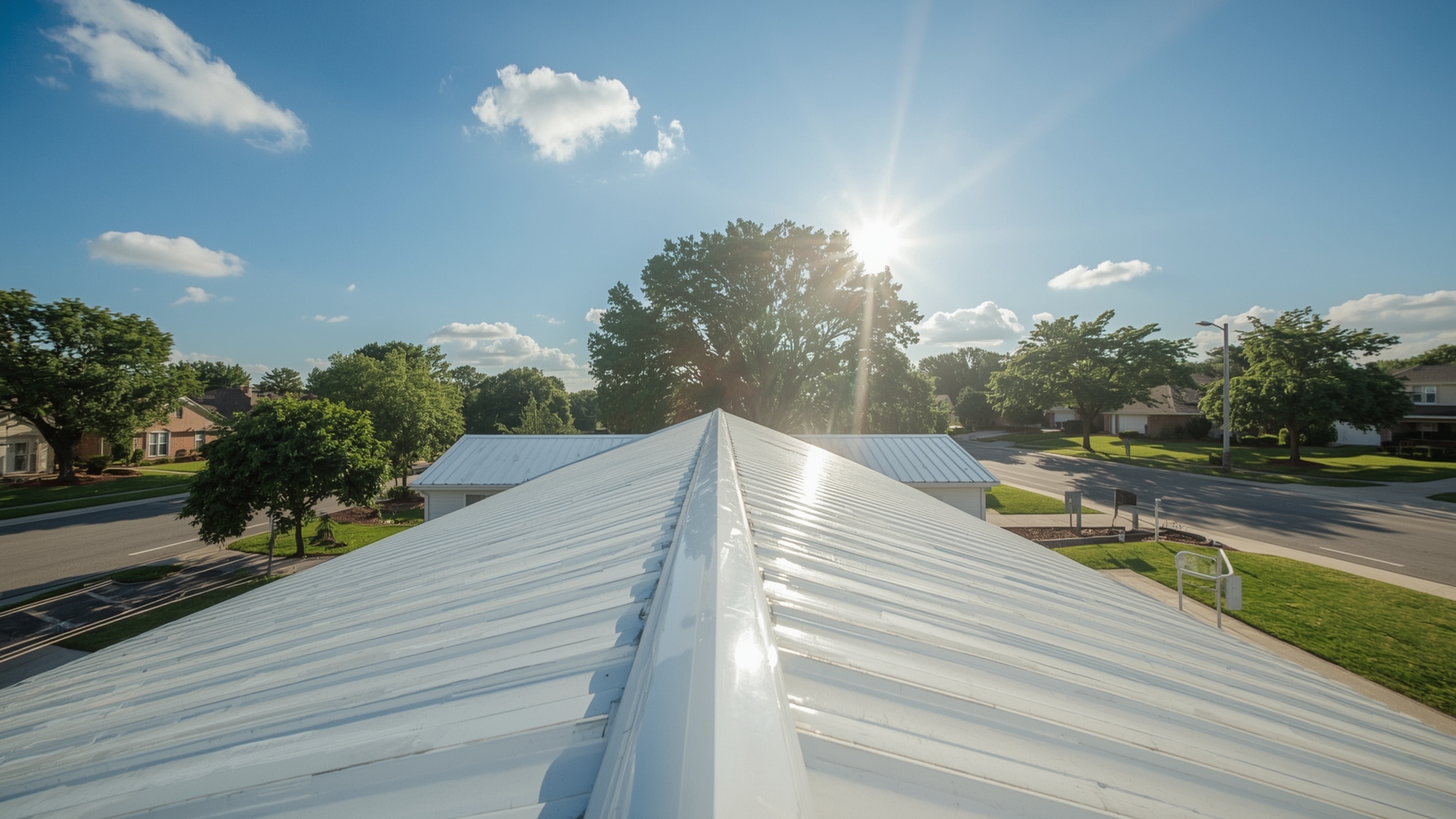
Quick Answer: Cool roofs reduce cooling energy use by 7% to 15% on average. Homes in hot, sunny climates like Phoenix or Miami can see savings of $150 to $400 per year. Cold climate homes see smaller savings or may see modest increases in winter heating costs.
The Department of Energy and Lawrence Berkeley National Laboratory have published research showing that cool roofs lower peak roof surface temperatures by 50°F to 60°F compared to standard dark roofing. That temperature reduction translates directly into less heat reaching your attic and living space.
Energy Savings by Climate Zone
| Climate Zone | Example Cities | Cooling Cost Reduction | Annual Savings Est. | Winter Heating Penalty |
|---|---|---|---|---|
| Zone 1 (Very Hot) | Phoenix, Miami, Houston | 12% to 15% | $200 to $450/yr | Minimal (<$20/yr) |
| Zone 2 (Hot) | Atlanta, Dallas, Los Angeles | 9% to 12% | $120 to $300/yr | $15 to $40/yr |
| Zone 3 (Warm) | Nashville, Charlotte, Seattle | 5% to 9% | $60 to $150/yr | $30 to $70/yr |
| Zone 4 (Mixed) | St. Louis, Denver, Baltimore | 3% to 6% | $30 to $90/yr | $50 to $100/yr |
| Zone 5-7 (Cold) | Chicago, Minneapolis, Boston | 1% to 3% | $10 to $40/yr | $60 to $130/yr |
In Climate Zones 5 through 7, cool roofs often aren’t the right investment. The winter heating penalty can offset summer savings. If you’re in a cold climate, focus on insulation and ventilation upgrades first.
Does Attic Insulation Affect Cool Roof Savings?
Yes — significantly. A well-insulated attic (R-38 or higher) already reduces heat transfer, which means a cool roof adds less marginal value. If your attic lacks insulation, adding R-38 to R-60 insulation may deliver more savings per dollar than a cool roof upgrade alone.
Which Cool Roof Material Is Best for Your Home?
Quick Answer: Metal roofing is best for performance and longevity. Reflective coatings are best for budget upgrades on existing flat roofs. Cool-pigment asphalt shingles are best for homeowners who want easy installation and a traditional look. Clay tile is best for hot, dry climates.
Best Cool Roof for Hot, Sunny Climates (Zones 1 and 2)
In Phoenix, Southern California, and Florida, maximum solar reflectance is the priority. White or light-colored metal roofing with PVDF (polyvinylidene fluoride) paint coatings — like Kynar 500 or Hylar 5000 — holds reflectance for 20 to 30 years without fading. Silicone or elastomeric coatings work well on flat sections.
Best Cool Roof for Mixed Climates (Zones 3 and 4)
In mixed climates, you want a moderate SR rather than the maximum. Clay or concrete tile with medium-colored finishes (tan, terracotta, gray) balances summer reflectance with winter solar gain. Cool-pigment asphalt shingles in medium shades work well here too.
Best Cool Roof for Existing Roofs Without Full Replacement
If your roof has 5 to 10 years of life left, a reflective coating is the most cost-effective upgrade. An elastomeric acrylic coating on a flat roof can cost $0.50 to $1.75 per square foot — a fraction of full replacement — while delivering meaningful SR improvements.
What Are ENERGY STAR-Certified Cool Roof Products?
Quick Answer: ENERGY STAR certifies specific roofing products that meet solar reflectance and emittance thresholds. You can search the ENERGY STAR Certified Roof Products database on the EPA website. In April 2026, over 2,000 products from 80+ manufacturers carry ENERGY STAR certification.
ENERGY STAR Cool Roof Ratings by Product Type
| Product Category | Example Brands | Initial SR | Aged SR (3-Year) | Application |
|---|---|---|---|---|
| White silicone coating | Kool Seal, Henry, GE | 0.85 to 0.90 | 0.70 to 0.82 | Flat / low-slope |
| Elastomeric coating | Rust-Oleum, Gardner-Gibson | 0.80 to 0.87 | 0.65 to 0.75 | Flat / low-slope |
| Metal roofing (painted) | ATAS, Fabral, McElroy | 0.62 to 0.75 | 0.55 to 0.68 | Steep-slope |
| Concrete tile | Eagle, Boral, US Tile | 0.35 to 0.52 | 0.28 to 0.44 | Steep-slope |
| Asphalt shingles (cool pigment) | GAF, Owens Corning, CertainTeed | 0.25 to 0.35 | 0.15 to 0.25 | Steep-slope |
Are There Financial Incentives for Installing a Cool Roof?
Quick Answer: Yes. The federal Inflation Reduction Act (IRA) Section 25C tax credit covers 30% of costs for qualifying energy-efficient home improvements. Many utility companies also offer rebates of $0.10 to $0.50 per square foot for ENERGY STAR-certified cool roofing installations.
Federal Tax Credit: Section 25C
Under the IRA, qualifying cool roof upgrades can earn a 30% tax credit, up to $1,200 per year for roofing improvements. To qualify, the product must meet specific ENERGY STAR criteria. Keep your receipts, the product’s ENERGY STAR certification documentation, and the manufacturer’s spec sheet for tax filing.
The credit applies to the material cost — not labor. On a $8,000 material cost for a metal cool roof, that’s up to $2,400 back at tax time.
Utility and State Rebates
Many utilities in hot climates offer separate cool roof rebates on top of federal credits. California’s investor-owned utilities (PG&E, SCE, SDG&E) offer rebates for qualifying products. Florida Power & Light, APS in Arizona, and other hot-climate utilities have similar programs. Check the DSIRE database (Database of State Incentives for Renewables & Efficiency) for your state.
Cool Roof Insurance Considerations
Some insurers factor in roof material when calculating premiums. Metal roofing, for example, carries a better fire and impact resistance profile than asphalt, which can reduce home insurance premiums in certain states. Ask your insurer specifically whether your cool roof upgrade changes your risk tier.
How Long Does a Cool Roof Last and What Maintenance Does It Need?
Quick Answer: Cool roof lifespan varies by material. Metal panels last 40 to 70 years. Clay tile lasts 50 to 100 years. Reflective coatings need reapplication every 7 to 15 years. Cool-pigment asphalt shingles last 20 to 30 years with standard maintenance.
Reflective Coating Maintenance Schedule
Coatings degrade faster than solid roofing materials. Here’s what a typical maintenance schedule looks like for elastomeric and silicone coatings:
- Year 1 to 2: Inspect for cracks, bubbles, or peeling after major weather events.
- Year 3 to 5: Clean debris and algae growth. Algae reduces SR by absorbing light that would otherwise reflect.
- Year 5 to 7: Check reflectance performance. Apply a maintenance topcoat if visual fading is apparent.
- Year 10 to 15: Full reapplication of coating layer is typically required.
Metal Roof Cool Coating Maintenance
PVDF-coated metal panels hold their color and reflectance much longer than standard paint. Most PVDF coatings are warranted for 30 to 40 years against significant fade. Annual inspection for fastener integrity and sealant condition is the main maintenance task.
What Are the Installation Requirements for Cool Roof Materials?
Quick Answer: Installation requirements vary by material. Coatings require a clean, structurally sound substrate. Metal panels need proper underlayment and expansion gap allowances. Tile requires reinforced roof decking rated for 10 to 15 lbs per square foot of added weight. Always verify local building code compliance.
Roof Slope Requirements by Material
| Material | Minimum Slope | Optimal Slope Range | Special Requirements |
|---|---|---|---|
| Elastomeric / silicone coating | Flat (0:12) | 0:12 to 3:12 | Substrate must be dry, clean, and structurally sound |
| TPO / PVC membrane | Flat (0:12) | 0:12 to 2:12 | Requires proper drainage slope; heat-welded seams |
| Metal panels (standing seam) | 1:12 to 2:12 | 3:12 to 12:12 | Expansion clips required; underlayment per manufacturer spec |
| Concrete / clay tile | 2.5:12 to 4:12 | 4:12 to 12:12 | Structural load check required; battens typically needed |
| Cool-pigment asphalt shingles | 2:12 to 4:12 | 4:12 to 12:12 | Standard installation; ice and water shield in cold zones |
Does a Cool Roof Need a Special Underlayment?
In most cases, yes. Metal roofing and tile require an underlayment that can handle higher temperatures and long-term exposure. Synthetic underlayments rated for high-heat applications are recommended under metal panels. They resist thermal degradation better than standard felt underlayment.
Can You Make a Dark-Colored Roof Cool Without Replacing It?
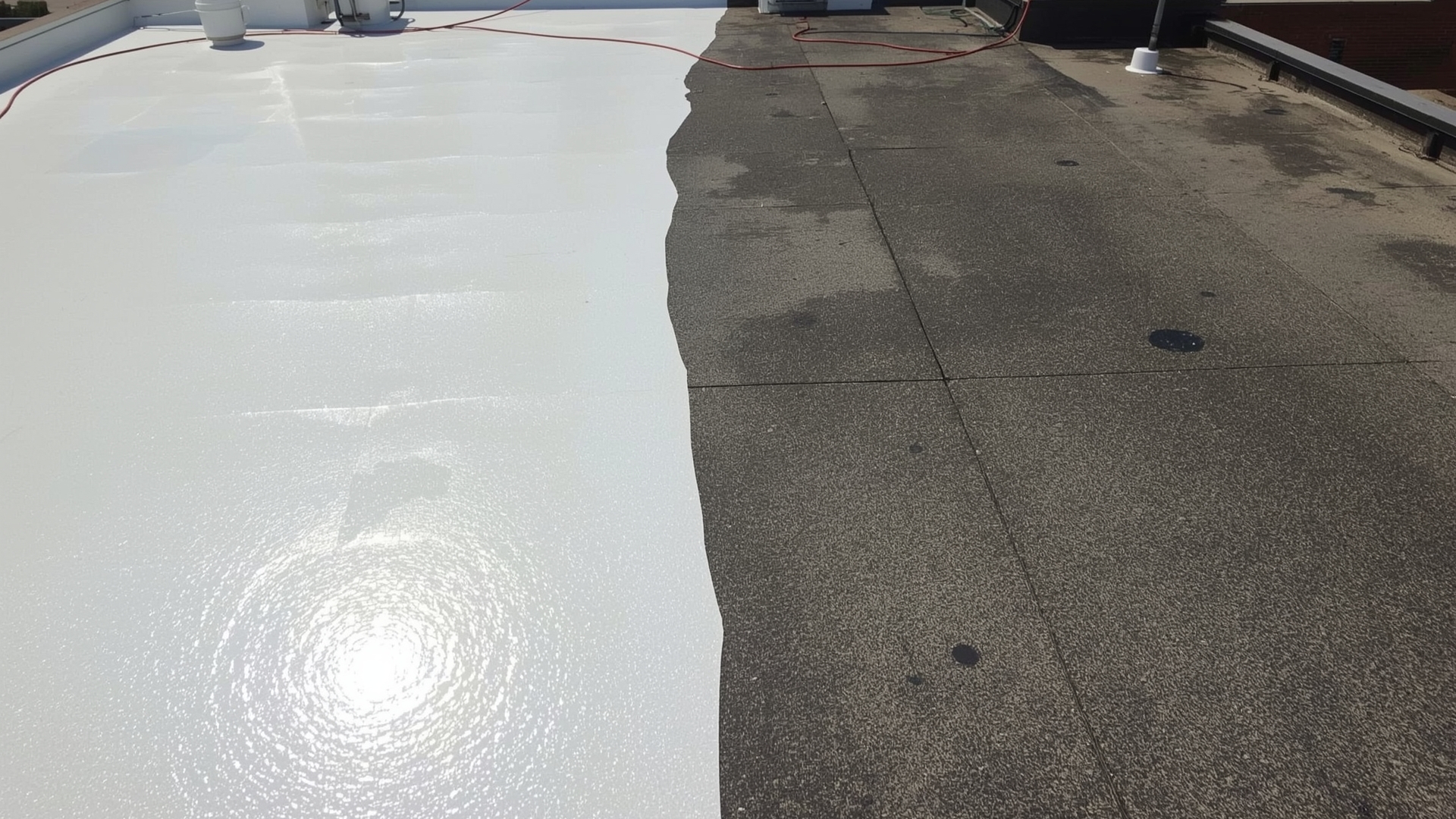
Quick Answer: Yes — reflective coatings can be applied over existing asphalt, metal, or built-up roofing to boost solar reflectance significantly. A white elastomeric coating over a dark flat roof can raise SR from 0.05 to 0.75 or higher without removing the existing roof.
This approach works best on flat and low-slope roofs where the coating can be spread evenly. It’s less effective on steep-slope asphalt shingles because the coating wears off faster under rain exposure and doesn’t bond as well to granule surfaces.
For steep-slope dark shingles, your practical options are:
- Replace shingles with cool-pigment versions at next replacement cycle
- Apply an aluminum-pigment coating to existing shingles (short-term boost only)
- Add attic radiant barriers as an alternative to roof-level solutions
Radiant Barriers as a Complement to Cool Roofing
A radiant barrier is a reflective foil layer installed on the underside of your roof deck in the attic. It reflects radiated heat downward before it enters your living space. The Department of Energy estimates radiant barriers reduce cooling costs by 5% to 10% in warm climates. They work well alongside cool roofing and add value in attics where the roof can’t be replaced yet.
Frequently Asked Questions About Cool Roof Materials
Do cool roofs work in cold climates?
Cool roofs provide less benefit and can slightly increase heating costs in cold climates. In Climate Zones 5 through 7 — cities like Chicago, Minneapolis, and Boston — improved attic insulation typically delivers a better return on investment than cool roofing materials.
What is the Solar Reflectance Index (SRI) and why does it matter?
SRI combines solar reflectance and thermal emittance into one number that compares a roof surface to a standard black surface (SRI = 0) and a white surface (SRI = 100). Building codes in hot climates often require a minimum SRI of 29 or higher for residential roofs. Higher SRI means a cooler roof surface.
Do cool roofs qualify for LEED certification points?
Yes. Cool roofs with an SRI of 29 or higher for steep-slope applications, or 82 or higher for low-slope, contribute toward LEED’s Sustainable Sites credit for heat island reduction. This matters most for multi-family residential and commercial projects pursuing LEED certification.
How do I know if an asphalt shingle is truly a cool shingle?
Look for the ENERGY STAR logo on the product packaging and verify the product appears in the ENERGY STAR Certified Roof Products database. Manufacturers sometimes use marketing terms like “cool tone” or “energy-saving” without meeting the actual certification threshold. The database listing confirms real compliance.
Can a cool roof reduce my homeowner’s insurance premium?
Possibly. Metal cool roofs offer impact resistance and Class A fire ratings, which some insurers reward with lower premiums. The reflective coating itself doesn’t typically trigger a premium reduction. Ask your insurer for a material-specific quote before and after any upgrade.
What is a roof’s aged solar reflectance and why does it matter more than initial reflectance?
Aged solar reflectance measures a product’s SR after three years of real-world exposure. Dirt, UV degradation, and biological growth all reduce reflectance over time. ENERGY STAR requires products to maintain minimum SR thresholds after this aging period — so the aged value tells you what performance to realistically expect over the roof’s life.