A metal roof is one of the most expensive roofing upgrades you can make. It costs two to three times more than a standard asphalt shingle roof. So the question most homeowners ask before spending that money is simple: will I get it back when I sell?
The short answer is yes — but the full picture is more nuanced. Your return depends on your local market, how appraisers assess the upgrade, and how buyers in your area perceive metal roofing. This guide breaks down what the data actually shows, what real estate appraisers look for, and how a metal roof affects your insurance costs and buyer appeal.
Key Takeaways
- Metal roofs return roughly 60–85% of their cost at resale, with variation by region, market, and installation quality.
- Appraisers value a metal roof based on contribution value, not replacement cost — meaning you rarely recover dollar-for-dollar.
- Buyers respond positively to metal roofs in markets where durability, energy efficiency, and low maintenance are priorities.
- Insurance discounts can reduce your annual premium by 5–30%, which adds long-term financial value beyond resale.
- Climate and region matter — metal roofing delivers higher perceived value in hail-prone, hurricane-prone, and high-snow-load areas.
- Standing seam metal roofs command stronger appraisal values than exposed-fastener panels due to longevity and weather resistance.
Does a Metal Roof Actually Add Value to Your Home?
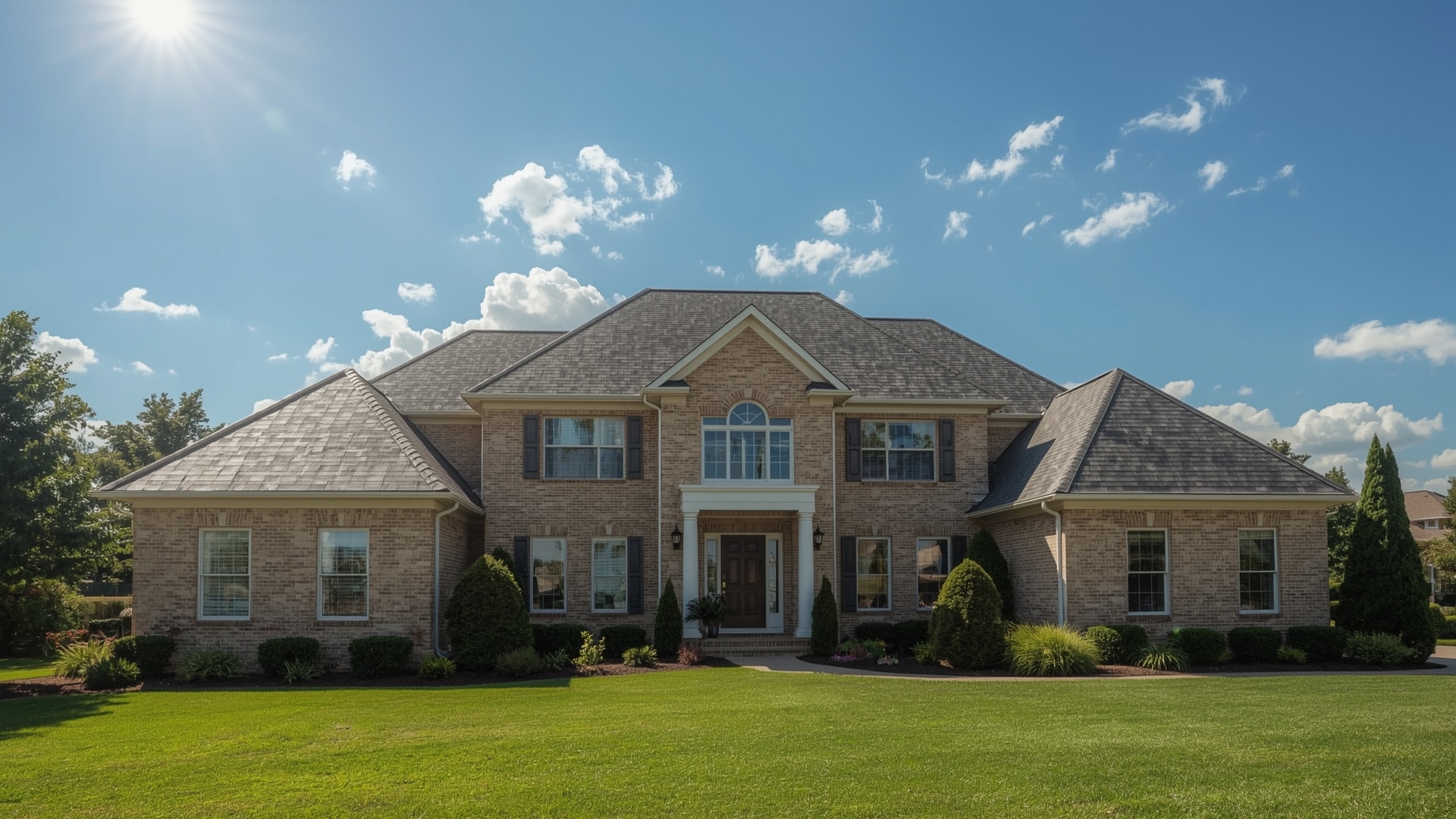
Quick Answer: Yes, a metal roof adds measurable value to most homes. Studies show homeowners recover 60–85% of installation costs at resale. The roof also reduces energy bills and insurance premiums, adding value beyond what shows up in a sale price.
The most widely cited figure in the roofing industry comes from Remodeling Magazine’s Cost vs. Value Report, which has tracked metal roofing ROI for several years. A standing seam metal roof consistently shows a resale value return in the range of 60–85% of the project cost.
That may sound low. But compare it to other home improvements. A major kitchen remodel typically returns 30–60%. A bathroom addition returns around 50–60%. A metal roof actually outperforms many renovation projects in pure ROI terms.
Beyond resale, the financial math includes ongoing savings. A metal roof can lower cooling costs by 10–25% through its reflective surface. It can also qualify you for homeowners insurance discounts — especially in high-wind and hail-prone states. These savings accumulate over years and add real economic value, even if they don’t show up in your sale price directly.
How Do Real Estate Appraisers Value a Metal Roof?
Quick Answer: Appraisers use “contribution value,” not replacement cost. A metal roof adds value only up to what similar buyers in your market would pay for it. In most markets, that’s between $6,000 and $15,000 above a home with a standard asphalt roof.
Appraisers don’t reimburse you for what you spent. They assess how much the upgrade actually moves the needle in your local market. This is called contribution value — the amount a feature adds to a home’s appraised price based on comparable sales.
If homes in your neighborhood sell for $280,000 with asphalt roofs and $292,000 with metal roofs, an appraiser may add roughly $12,000 for a metal roof. Even if you paid $25,000 to install it, the appraised contribution stays tied to market evidence.
What Appraisers Look for When Evaluating a Metal Roof
- Material type: Standing seam steel or aluminum is valued higher than exposed-fastener corrugated panels.
- Age and condition: A newer roof in excellent condition contributes more than one that is 15 years old with visible wear.
- Installation quality: Properly installed systems with manufacturer warranties signal durability to appraisers.
- Comparable sales: Appraisers look for similar homes in your market that sold with metal roofs to establish a contribution range.
- Regional demand: In areas where metal roofing is common and sought after, contribution value rises.
Metal Roof Appraiser Value by Roof Type
| Metal Roof Type | Typical Installation Cost | Appraised Contribution Value | Estimated ROI at Resale |
|---|---|---|---|
| Standing Seam Steel | $18,000–$35,000 | $12,000–$22,000 | 60–75% |
| Standing Seam Aluminum | $20,000–$38,000 | $13,000–$24,000 | 62–78% |
| Exposed Fastener Steel Panel | $10,000–$18,000 | $6,000–$12,000 | 55–70% |
| Metal Shingles (Steel or Aluminum) | $14,000–$28,000 | $9,000–$18,000 | 60–72% |
| Corrugated Steel (Agricultural Profile) | $8,000–$14,000 | $4,000–$8,000 | 48–60% |
How Does Region Affect the Value a Metal Roof Adds?
Quick Answer: Region has a major impact on metal roof ROI. Homes in storm-prone, high-wind, or heavy-snow states see higher buyer demand and stronger appraisal values for metal roofs. In mild climates, the premium is smaller.
A metal roof means something different to a buyer in Florida than it does to a buyer in San Diego. In Florida, buyers actively look for roofs that can survive Category 4 winds and intense hailstorms. A metal roof is a selling point that gets priced into the offer. In mild-weather markets, buyers may still appreciate it, but they won’t pay as large a premium for it.
Regional Metal Roof Value Premium by Climate Zone
| Region | Primary Value Driver | Estimated Value Premium Over Asphalt | Buyer Demand Level |
|---|---|---|---|
| Southeast (FL, GA, SC) | Hurricane and wind resistance | $10,000–$20,000 | High |
| Great Plains / Hail Alley (TX, OK, CO, KS) | Hail impact resistance | $8,000–$16,000 | High |
| Northeast (NY, MA, VT, ME) | Snow load capacity and longevity | $7,000–$14,000 | Moderate–High |
| Mountain West (CO, WY, MT, ID) | Snow shedding, wildfire resistance | $8,000–$15,000 | Moderate–High |
| Pacific Coast (CA, OR, WA) | Longevity, fire resistance | $5,000–$10,000 | Moderate |
| Midwest (OH, IN, IL, MN) | Durability, low maintenance | $5,000–$11,000 | Moderate |
What Do Buyers Think About Metal Roofs?
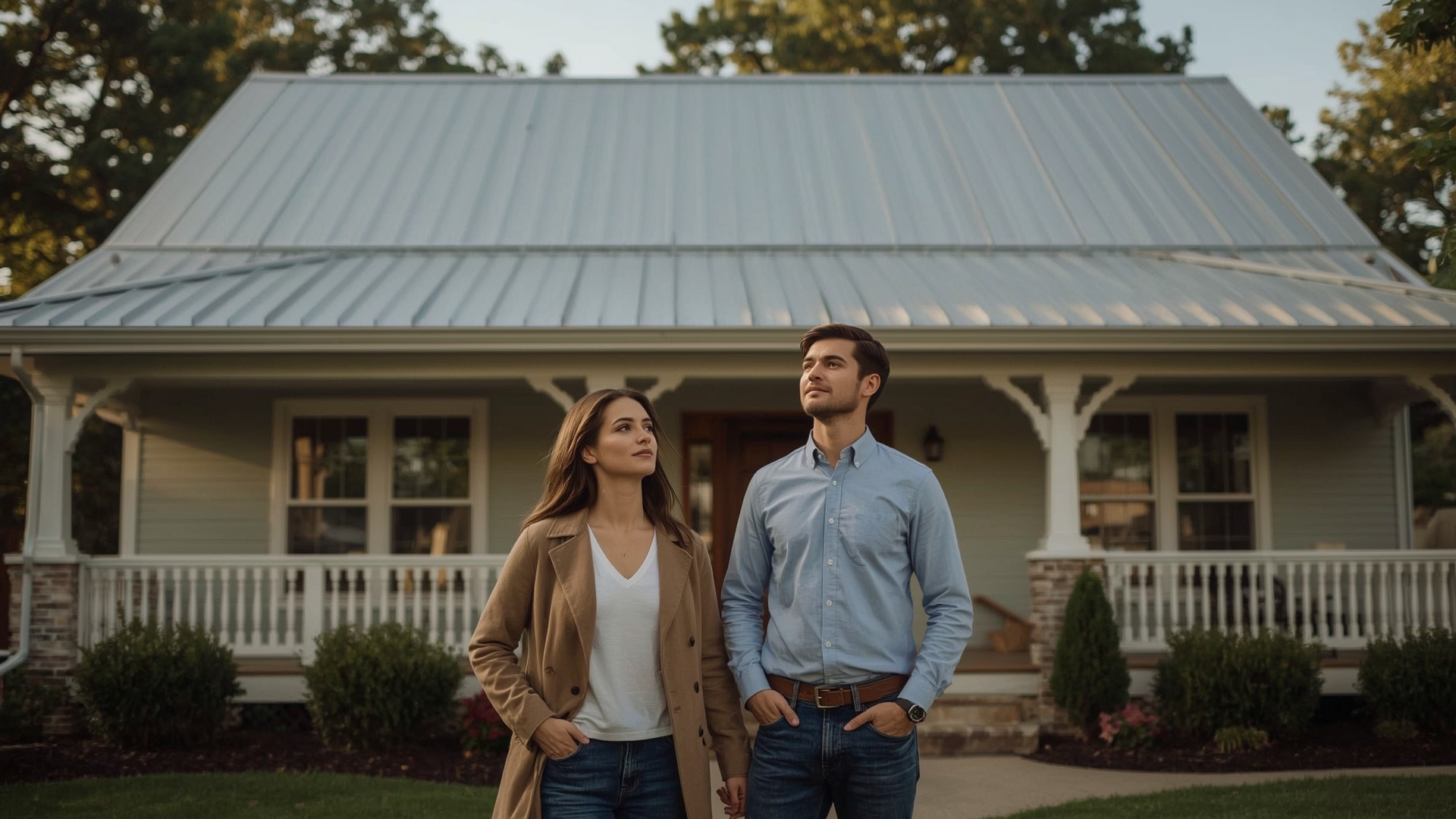
Quick Answer: Most buyers view a metal roof as a positive feature. It signals low maintenance, long lifespan, and reduced risk of near-term repair costs. In competitive markets, a metal roof can shorten time on market and strengthen offer prices.
Buyer perception is one of the strongest drivers of resale value — even more than what an appraiser assigns. When buyers see a metal roof, they typically think about a few things:
- No roof replacement for 30–50 years. This removes a major expense from their mental checklist.
- Lower insurance premiums. Savvy buyers know metal roofs often qualify for insurance discounts.
- Energy savings. Metal roofs reflect solar heat, which can lower summer cooling bills by 10–25%.
- Curb appeal. Modern standing seam profiles and metal shingles are seen as premium aesthetics.
The perception risk is noise. Some buyers worry that metal roofs are loud during rainstorms. In practice, a properly installed metal roof over solid decking and underlayment is no louder than an asphalt shingle roof. Educating buyers on this point — through a listing disclosure or agent communication — can prevent that misconception from affecting offers.
Buyer Perception Factors That Influence Offer Price
| Buyer Concern | Reality | Impact on Offer Price |
|---|---|---|
| Noise during rain | Minimal with proper underlayment and decking | Neutral if addressed; negative if ignored |
| Long lifespan (40–70 years) | Accurate — reduces buyer’s future replacement risk | Positive |
| High upfront cost of replacement if needed | Unlikely within 30–50 years for quality installs | Neutral to slightly negative |
| Insurance discount eligibility | True in most states, especially storm-prone regions | Positive |
| Aesthetic premium appearance | True for standing seam and metal shingle profiles | Positive |
| Dent risk from hail | Varies by gauge; Class 4 rated metal panels resist denting | Neutral to positive if Class 4 rated |
Does a Metal Roof Lower Your Homeowners Insurance Premium?
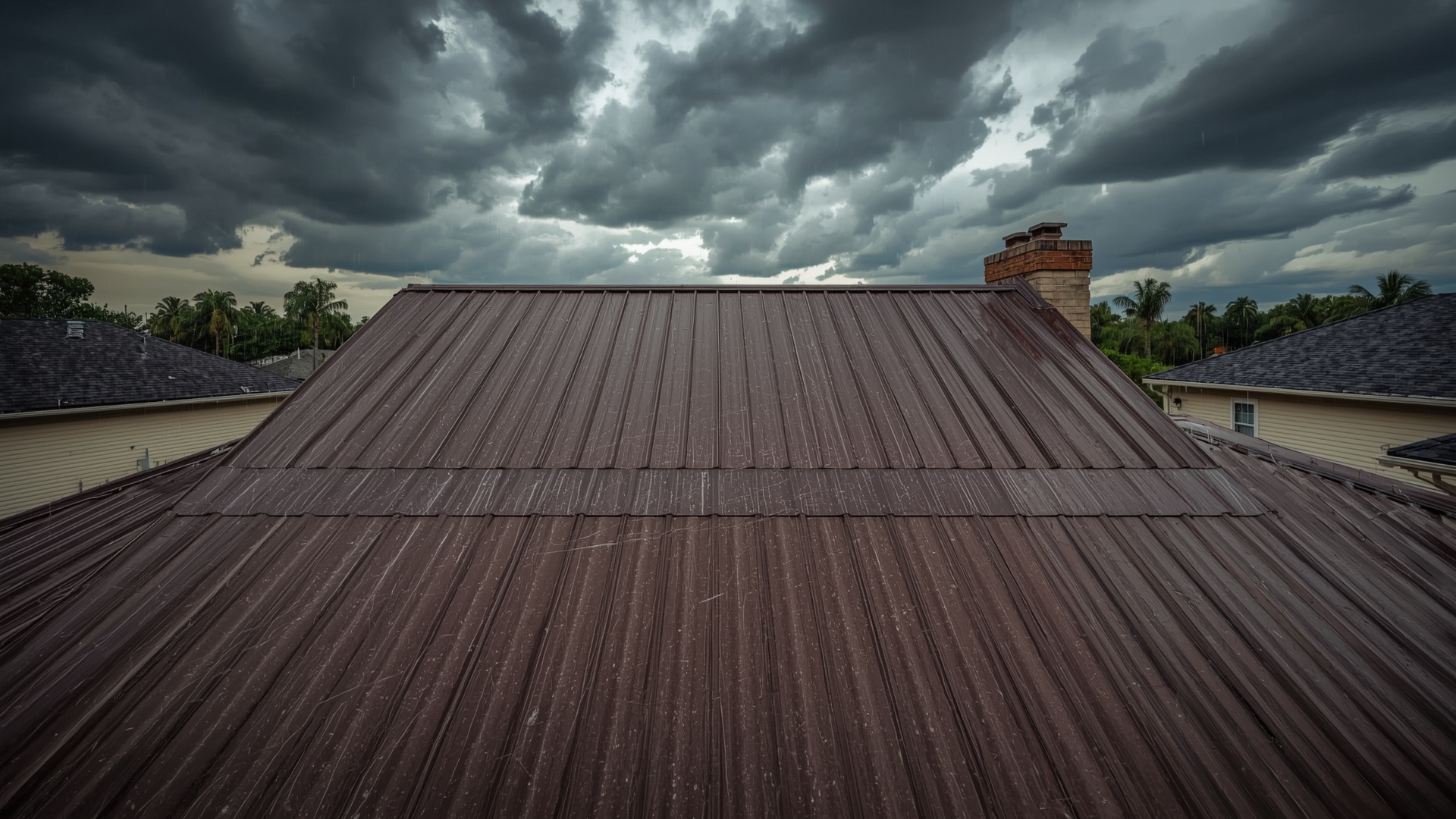
Quick Answer: Yes, most insurers offer discounts for metal roofs. Discounts range from 5% to 30% depending on your state and insurer. In Florida and Texas, wind-rated metal roofs can reduce premiums significantly because they lower the insurer’s risk exposure.
Insurance savings are one of the most overlooked parts of the metal roof value equation. The roof is one of the most expensive components an insurer covers. A metal roof reduces the insurer’s claims risk because it handles wind, hail, and fire better than asphalt shingles.
Here is what that looks like in numbers. If your current homeowners insurance premium is $2,400 per year and a metal roof earns you a 15% discount, you save $360 per year. Over 20 years, that is $7,200 in savings — without accounting for rate increases over time.
In Florida specifically, a wind-rated metal roof can qualify for significant premium reductions under the state’s wind mitigation program. Some homeowners in high-risk coastal zones have reported premium reductions of 20–30% after installing a qualifying metal roof.
Metal Roof Insurance Discount Ranges by State Category
| State Category | Typical Discount Range | Primary Qualifying Factor | Notes |
|---|---|---|---|
| High-wind coastal states (FL, TX, LA, SC) | 15–30% | Wind uplift rating, FM approval | Wind mitigation inspection often required |
| Hail-prone plains states (TX, CO, KS, OK, NE) | 10–25% | Class 4 impact resistance rating | UL 2218 or FM 4473 certification needed |
| General risk states (most of US) | 5–15% | Fire rating, age-based durability | Discount varies heavily by insurer |
| Wildfire interface states (CA, CO, OR) | 5–20% | Class A fire rating | Some insurers require non-combustible roofing |
How Long Do You Need to Live There to Break Even?
Quick Answer: Most homeowners break even on a metal roof after 15–20 years when combining resale recovery with energy and insurance savings. Homeowners who sell within 5 years are unlikely to recoup the full investment.
The break-even timeline depends on three income streams: resale recovery, energy savings, and insurance discounts. Let’s walk through an example.
Say you install a standing seam steel roof for $24,000. At resale (60–70% recovery), you get back roughly $14,400–$16,800. That leaves a gap of $7,200–$9,600 to cover from other savings.
If your energy bills drop by $300–$500 per year and your insurance premium drops by $360 per year, you’re saving $660–$860 annually. At that rate, you close the gap in 8–14 years. Add the resale contribution, and the full financial picture breaks even between 15 and 20 years for most homeowners.
If you plan to sell in under 10 years, a metal roof is still a selling advantage — but not necessarily a financial winner on its own. The value is highest for homeowners who stay long-term or live in high-risk regions where buyers pay a meaningful premium.
Does a Metal Roof Add More Value Than Other Roofing Upgrades?
Quick Answer: Among roofing materials, metal roofs offer the highest long-term ROI due to their lifespan, insurance benefits, and durability. Asphalt shingles cost less upfront but deliver lower resale premiums and need replacement sooner.
It helps to compare roofing materials side by side. Asphalt shingles are the most common choice. They cost less to install but have a 15–30 year lifespan, which means buyers may factor in a near-term replacement if the roof is aging. A fresh metal roof removes that concern entirely for decades.
Roofing Material Comparison: Value Impact at Resale
| Roofing Material | Average Installed Cost (2,000 sq ft) | Lifespan | Estimated Resale ROI | Insurance Discount Potential |
|---|---|---|---|---|
| 3-Tab Asphalt Shingles | $6,000–$10,000 | 15–25 years | 50–65% | Low (0–5%) |
| Architectural Asphalt Shingles | $8,000–$14,000 | 20–30 years | 55–70% | Low–Moderate (0–10%) |
| Standing Seam Metal | $18,000–$35,000 | 40–70 years | 60–85% | High (10–30%) |
| Metal Shingles | $14,000–$28,000 | 40–60 years | 58–75% | Moderate–High (5–25%) |
| Slate (Natural) | $25,000–$60,000 | 75–150 years | 55–80% | Moderate (5–15%) |
| Synthetic Slate/Shake | $14,000–$26,000 | 30–50 years | 55–72% | Moderate (5–20%) |
What Is the Best Metal Roof Material for Maximizing Home Value?
Quick Answer: Standing seam steel with a Kynar (PVDF) paint finish delivers the best combination of appraised value, buyer appeal, and insurance eligibility. Aluminum performs similarly but costs more in most markets.
Not all metal roofs are equal in the eyes of appraisers and buyers. Material gauge, panel profile, and coating quality all affect perceived and appraised value.
Standing Seam vs. Exposed Fastener: Value Comparison
Standing seam panels hide all fasteners beneath interlocking seams. This prevents the main failure point that exposed-fastener roofs develop over time — fastener back-out and washer degradation. Appraisers and buyers familiar with metal roofing understand this difference and value standing seam systems accordingly.
Exposed-fastener metal panels cost less upfront, but they carry a shorter service life and a higher perception risk with buyers who know what to look for. If resale value is your priority, standing seam is the right choice.
Coating and Gauge Specifications That Affect Value
- Steel gauge: 24-gauge is the standard for residential standing seam. 26-gauge is thinner and carries lower appraised durability.
- Aluminum thickness: 0.032–0.040 inch is standard for residential aluminum standing seam.
- Paint system: Kynar 500 (PVDF) coatings carry a 30–40 year finish warranty and retain color significantly better than polyester coatings.
- Galvalume substrate: AZ50 Galvalume steel (55% aluminum, 43.4% zinc alloy coating) outperforms galvanized steel for corrosion resistance in most environments.
Does a Metal Roof Help Sell a House Faster?
Quick Answer: In most markets, a metal roof reduces buyer concerns about near-term repair costs and can shorten time on market. Homes with newer, premium roofs tend to receive stronger initial offers and fewer inspection-based repair requests.
A roof in poor condition is one of the top reasons buyers reduce their offer or walk away entirely after a home inspection. A metal roof in good condition eliminates that concern for decades. Buyers and their agents know that a metal roof means they won’t be negotiating a $15,000 roof replacement credit two weeks before closing.
Real estate agents in storm-prone markets often report that a metal roof is one of the first features they highlight in listings. In Texas and Florida in particular, it is a meaningful differentiator in competitive markets because of insurance implications for buyers.
Are There Any Situations Where a Metal Roof Does Not Add Value?
Quick Answer: Yes. If the home is significantly over-improved for its neighborhood, a metal roof may not add value above what the local market supports. Low-price-point neighborhoods and homes priced above comps already won’t benefit as much.
Over-improvement is a real risk. If every other home in your neighborhood sells for $150,000–$175,000, installing a $25,000 metal roof won’t push your sale price to $200,000. The neighborhood price ceiling limits how much any single upgrade can contribute.
Other situations where the ROI shrinks:
- Very short ownership. If you sell within 3–5 years, you haven’t had time to accumulate energy and insurance savings.
- Low-risk climate markets. In regions with mild weather, buyers don’t price in storm resistance the way buyers in Florida or Texas do.
- Poor installation quality. A metal roof installed with improper flashing, inadequate underlayment, or wrong fasteners can develop leaks and actually harm buyer perception and appraisal value.
- Unusual profiles for the neighborhood. An industrial corrugated metal roof on a traditional suburban colonial may face aesthetic objections from buyers.
Frequently Asked Questions
Does a metal roof increase property tax?
A metal roof can increase your home’s assessed value, which may lead to slightly higher property taxes. The increase depends on your local assessor and how your jurisdiction treats structural improvements. Most homeowners see modest tax increases relative to the insurance savings they gain.
Can I transfer a metal roof warranty to a new buyer?
Many metal roofing manufacturers offer transferable warranties. This is a strong selling feature because it extends coverage to the new owner. Transferability rules vary by brand — some transfer automatically, others require a registration fee or formal transfer application within a set window after the sale.
Does a metal roof qualify for energy tax credits?
Yes. A metal roof with a qualifying ENERGY STAR-certified pigmented coating may qualify for the Section 25C Residential Energy Efficiency Tax Credit. As of recent legislation, this credit covers up to 30% of the cost, capped at $600 for roofing upgrades. Confirm with a tax professional that your specific product qualifies.
How does roof age affect a home appraisal?
Appraisers factor in the remaining useful life of the roof. A 5-year-old metal roof has decades of life remaining, which is viewed positively. A 30-year-old asphalt roof near end-of-life can negatively affect the appraisal because it signals an upcoming major expense for the buyer.
Is a metal roof worth it if I plan to sell within 5 years?
It can still be worth it, but the financial case is weaker. You’ll recover some costs through resale premium and may have an easier sale in storm-prone markets. However, the cumulative energy and insurance savings won’t have had enough time to offset the higher upfront cost compared to a quality asphalt roof.
Do lenders view a metal roof positively during the mortgage appraisal process?
Yes. Lenders rely on the appraised value, which typically reflects a positive contribution from a quality metal roof. More importantly, lenders look at the roof’s condition. A metal roof in good condition removes any underwriting concern about near-term roof replacement — which can be a condition of loan approval for older asphalt roofs.