Your insurance company says your storm-damaged roof is worth $6,000. Your contractor says it needs $18,000 in repairs. You’re stuck in the middle with a leaking roof and a stalled claim. This is exactly the situation the insurance appraisal clause was designed to fix.
The appraisal clause is a dispute resolution tool built into most homeowners insurance policies. It gives you a formal, binding way to challenge your insurer’s damage estimate without going to court. For roof claims specifically, it’s one of the most powerful options a homeowner has.
This guide explains what the appraisal clause is, when you can use it, how the process works step by step, and what you can realistically expect at the end.
Key Takeaways
- The appraisal clause resolves disputes over the dollar amount of a loss, not whether the loss is covered.
- Both you and your insurer hire separate appraisers, and a neutral umpire breaks any tie.
- The appraisal award is legally binding on both parties once signed by two of the three decision-makers.
- You can invoke appraisal after a partial denial or low settlement offer, but the damage must already be accepted as a covered loss.
- Appraisal costs money upfront, but outcomes typically exceed the original insurer estimate by a significant margin on legitimate roof claims.
- Most states allow appraisal but some limit it, so checking your specific policy language matters before you start.
What Is the Insurance Appraisal Clause?
Quick Answer: The appraisal clause is a policy provision that lets homeowners and insurers resolve disagreements about a claim’s dollar value. Each side hires an appraiser, and a neutral umpire settles any differences. The result is binding on both parties.
Most standard homeowners insurance policies include an appraisal clause in the “Conditions” section. The language typically appears under a heading like “Appraisal” or “Loss Settlement.” It’s not something you need to sign up for separately. It’s already in your policy.
The clause gives either party the right to demand an appraisal when they disagree on the amount of a loss. That’s an important detail. Appraisal handles disagreements about how much money is owed, not whether the insurance company owes anything at all.
What Appraisal Does and Does Not Cover
Understanding the boundary of appraisal saves you time and money. If your insurer denies your claim entirely, saying the damage isn’t covered, appraisal won’t help. You’d need to file a complaint with your state insurance commissioner or pursue legal action instead.
Appraisal is the right tool when:
- Your insurer accepts the claim but offers a settlement you believe is too low
- The adjuster and your contractor have a large gap in their damage estimates
- Your insurer missed damage items that your contractor documented
- Depreciation was applied in a way you believe was excessive or inaccurate
Appraisal does not resolve:
- Full coverage denials
- Policy exclusion disputes (e.g., insurer claims damage is from wear and tear, not wind)
- Disagreements about policy interpretation or contract language
When Should You Invoke the Appraisal Clause for a Roof Claim?
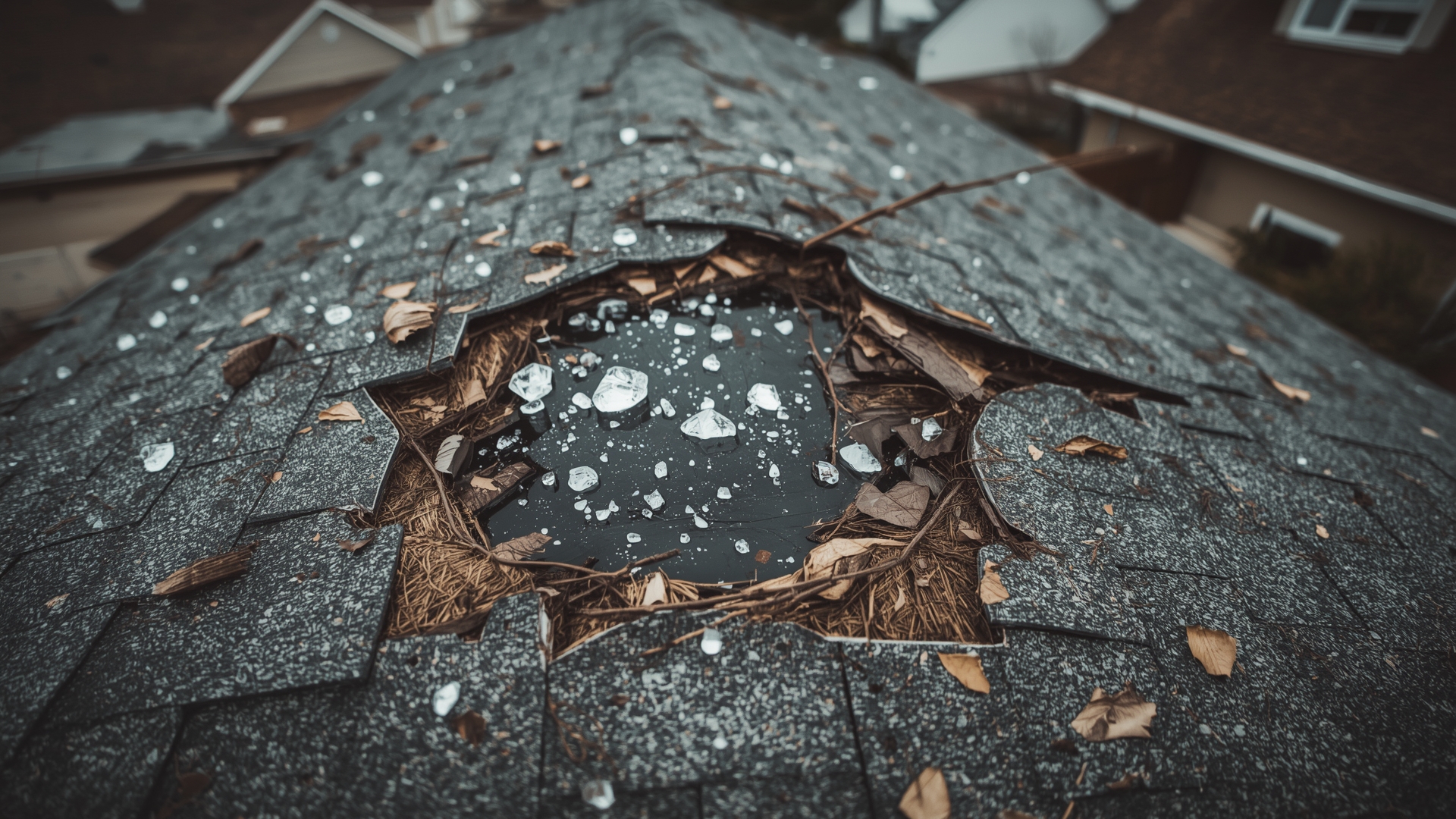
Quick Answer: Invoke appraisal when your insurer accepts the roof damage as covered but their payment offer is significantly lower than your contractor’s documented repair estimate. A gap of $3,000 or more typically justifies the cost of the appraisal process.
Timing matters. You can only invoke appraisal after your insurer has made a settlement offer or issued a payment that you disagree with. If the claim is still under review, you need to wait for their decision first.
Most policies also have a time limit for demanding appraisal. This window ranges from 60 days to 2 years after the settlement offer, depending on your state and policy. Don’t let time run out before acting.
Common Roof Claim Scenarios That Lead to Appraisal
Roof claims generate more appraisal demands than almost any other property claim type. The gap between insurer estimates and contractor estimates is often large, especially after major hail or wind events.
- Hail damage disagreements: Insurer counts 5 hail hits per 10-square-foot test square; your contractor counts 12. The functional damage threshold is in dispute.
- Wind damage scope disputes: Insurer approves 8 squares of shingles; contractor says the entire slope needs replacement to match.
- Depreciation disagreements: Insurer applies 40% depreciation on a 12-year-old roof; your policy language suggests a lower depreciation rate was appropriate.
- Missed line items: Insurer’s estimate omits ice-and-water shield, ridge cap, or drip edge replacement that your contractor included.
- Code upgrade costs: Local building codes require upgraded materials, but the insurer’s estimate doesn’t include the code upgrade provisions in your policy.
How Does the Insurance Appraisal Process Work?
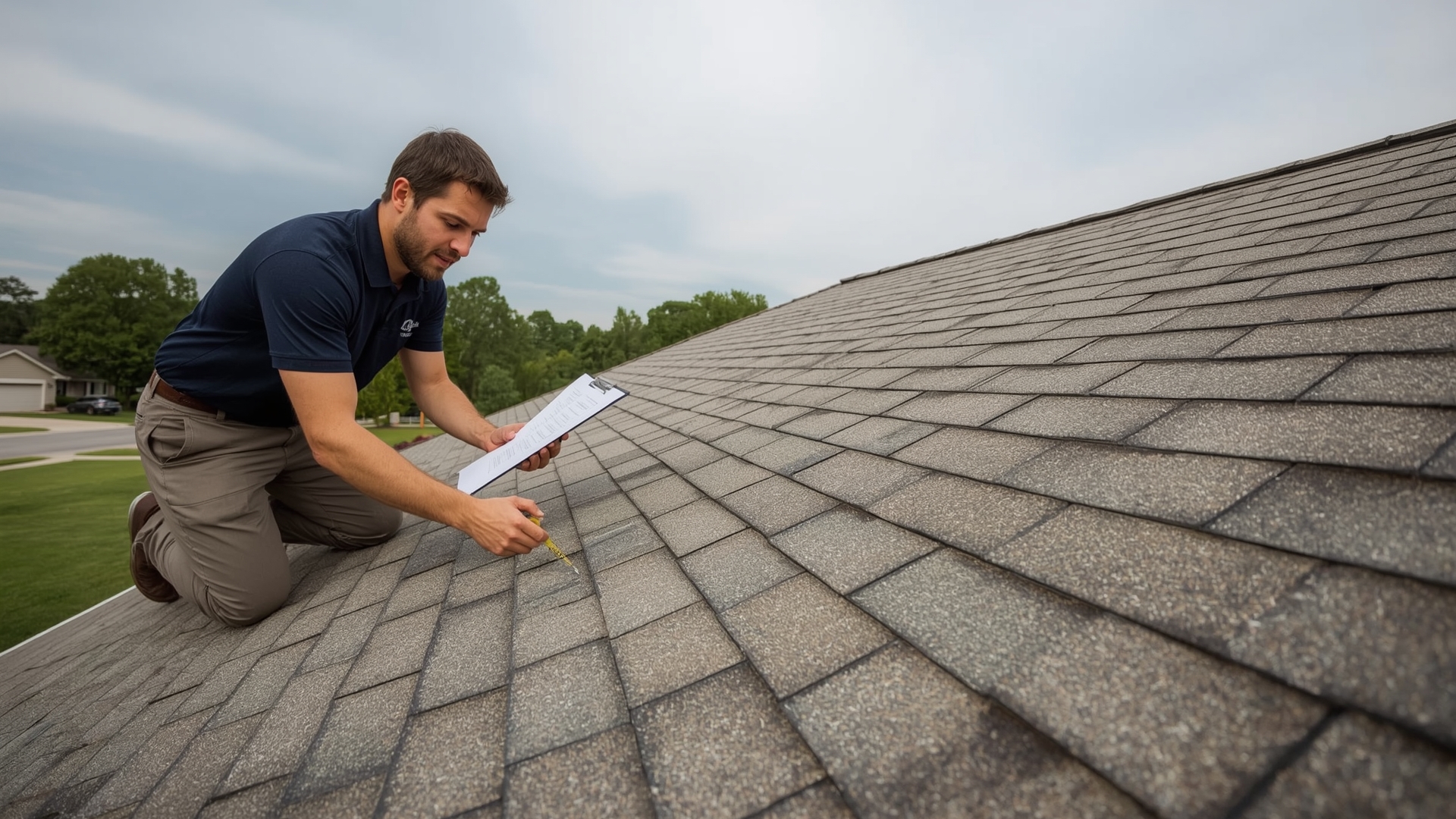
Quick Answer: The appraisal process has three steps: each party hires a competent appraiser, both appraisers attempt to agree on the loss amount, and if they can’t agree, they select a neutral umpire whose decision (with either appraiser agreeing) is binding.
Step 1: Review Your Policy Language
Pull out your homeowners insurance policy and find the appraisal clause. Read every word. Standard ISO (Insurance Services Office) policy language says something close to:
“If you and we fail to agree on the amount of loss, either may demand an appraisal of the loss. In this event, each party will choose a competent appraiser within 20 days after receiving a written request from the other.”
Your policy may differ. Look for specific timelines, requirements for written notice, and any restrictions on who can serve as an appraiser.
Step 2: Send a Written Demand for Appraisal
Appraisal doesn’t start automatically. You have to formally demand it in writing. Send a letter or email to your insurer clearly stating that you are invoking the appraisal clause under your policy. Reference the specific policy provision and the claim number.
Keep a copy. Send it via certified mail or email with delivery confirmation. The written record protects you if the insurer tries to delay.
Step 3: Select Your Appraiser
You hire your own appraiser. Your insurer hires theirs. Your appraiser doesn’t have to be a licensed contractor, but they need to be knowledgeable about roofing damage and construction costs.
Good candidates for your appraiser include:
- A licensed public adjuster with roof claim experience
- A construction cost estimator familiar with roofing
- A building consultant or forensic engineer specializing in storm damage
Avoid using your roofing contractor as your appraiser in states that restrict this. Some states allow it; others don’t. Check your state’s rules before choosing.
Step 4: Both Appraisers Inspect the Roof and Exchange Estimates
Both appraisers typically inspect the property independently, then share their findings. They try to reach an agreement on the scope and dollar amount of the damage. Many appraisals are resolved at this stage without needing an umpire.
If they agree on all line items, they sign the award and submit it to the insurer. Done.
Step 5: Selecting a Neutral Umpire
If the two appraisers can’t agree, they jointly select a neutral umpire. The umpire is typically a retired judge, a licensed contractor with no financial interest in the outcome, or a dispute resolution professional.
If the two appraisers can’t agree on an umpire, either party can petition a local court to appoint one. This adds time and cost but is sometimes necessary.
Step 6: The Umpire Reviews and Issues an Award
The umpire reviews both estimates and any supporting documentation. They may inspect the roof themselves. The umpire then issues an appraisal award.
The award becomes binding when any two of the three parties (your appraiser, the insurer’s appraiser, or the umpire) sign it. The insurer must pay the awarded amount minus your deductible.
| Party | Selected By | Role | Cost Responsibility | Binding Authority |
|---|---|---|---|---|
| Homeowner’s Appraiser | Homeowner | Documents and argues homeowner’s damage scope | Homeowner pays | Partial (must agree with umpire or insurer appraiser) |
| Insurer’s Appraiser | Insurance company | Documents and argues insurer’s damage scope | Insurer pays | Partial (must agree with umpire or homeowner appraiser) |
| Umpire | Both appraisers jointly (or court) | Reviews both positions, issues final determination | Split equally between parties | Full when combined with either appraiser’s signature |
How Much Does the Appraisal Process Cost?
Quick Answer: Homeowners typically pay $300 to $1,500 for their appraiser, plus a 50% share of the umpire’s fee, which usually runs $500 to $2,500 total. Total out-of-pocket cost for a homeowner ranges from $550 to $2,750 in most cases.
| Cost Item | Who Pays | Typical Range | Notes |
|---|---|---|---|
| Homeowner’s appraiser fee | Homeowner | $300 to $1,500 | Flat fee or hourly; some work on contingency |
| Insurer’s appraiser fee | Insurer | $300 to $1,500 | Homeowner pays nothing for this |
| Umpire fee (homeowner’s share) | Split 50/50 | $250 to $1,250 | Based on umpire’s total fee of $500 to $2,500 |
| Certified mail and documentation | Homeowner | $20 to $50 | Keep all written records |
| Total homeowner cost estimate | Homeowner | $570 to $2,800 | Varies by claim size and complexity |
Some appraisers charge a contingency fee instead of a flat rate. They take a percentage of the difference between the original offer and the appraisal award. This lowers your upfront cost but can get expensive on large claims. Understand the fee structure before hiring.
What Outcomes Can Homeowners Expect From Roof Appraisal?
Quick Answer: Most appraisal awards on legitimate roof claims land between the insurer’s original estimate and the homeowner’s contractor estimate. Full contractor estimate awards are possible but less common. The process rarely results in an award lower than the insurer’s original offer.
Appraisal outcomes depend on documentation quality, appraiser competence, and the strength of your damage evidence. The best outcomes come from claims with strong photo documentation, a detailed line-item contractor estimate, and a skilled appraiser on your side.
What Affects the Final Appraisal Award?
- Documentation quality: Clear photos of every damaged area, date-stamped and organized
- Comparable sales data: Current material and labor costs in your specific market
- Engineering reports: Forensic engineer reports carry significant weight with umpires
- Storm data: Hail size, wind speed, and storm path records from weather verification services
- Xactimate estimates: The industry-standard estimating software used by adjusters; knowing how line items work helps your appraiser build a strong case
What Happens After the Award Is Issued?
Once the appraisal award is signed, your insurer has a set number of days to pay. Most policies require payment within 5 to 30 days of the award. The payment reflects the awarded amount minus your deductible and any previous payments already issued.
If your policy covers replacement cost value (RCV), you’ll receive the actual cash value (ACV) first. The recoverable depreciation is paid after you complete the repairs and submit proof. The appraisal award sets the RCV amount, so your final recoverable depreciation also increases if the award exceeds the original estimate.
Can the Insurer Refuse to Pay After an Appraisal Award?
Quick Answer: In most states, a signed appraisal award is legally binding and enforceable. If your insurer refuses to pay, you can file a complaint with your state’s insurance department or pursue a breach of contract lawsuit. Courts consistently uphold valid appraisal awards.
Insurers can legally challenge an appraisal award only in specific circumstances. These include fraud, conflict of interest by an appraiser, or a procedural error in the appraisal process itself. Simply disagreeing with the outcome is not grounds to refuse payment.
If your insurer delays payment without a valid legal reason after a signed award, document everything and file a formal complaint with your state insurance commissioner. Some states impose penalties on insurers who fail to pay valid claims on time.
How Does Appraisal Differ From Other Roof Claim Dispute Options?
Quick Answer: Appraisal is faster and cheaper than litigation, and more formal than a second adjuster review. It’s binding, unlike mediation. It focuses only on the dollar amount, unlike a coverage lawsuit. For amount disputes, appraisal is usually the fastest path to a fair resolution.
| Option | Best For | Average Timeline | Binding? | Cost to Homeowner |
|---|---|---|---|---|
| Supplemental Claim | Minor missed items | 2 to 6 weeks | No | Low ($0 to $200) |
| Appraisal Clause | Amount disputes on accepted claims | 30 to 90 days | Yes | Medium ($570 to $2,800) |
| State Mediation | Amount or coverage disputes | 60 to 120 days | Sometimes | Low to medium ($0 to $500) |
| Public Adjuster Re-inspection | Underpaid claims needing a new estimate | 2 to 8 weeks | No | 10% to 20% of settlement increase |
| Litigation (Lawsuit) | Coverage denials, bad faith disputes | 1 to 3 years | Yes (court order) | High ($5,000 to $50,000+) |
What Are the Risks of Invoking the Appraisal Clause?
Quick Answer: The main risks are upfront cost, the possibility of an award close to the insurer’s original offer, and potential delays in getting your roof repaired. An appraisal award can theoretically come in lower than the insurer’s offer, though this rarely happens on legitimate claims.
Going into appraisal with a weak case is the biggest risk. If your claim has significant documentation gaps, or if your contractor’s estimate includes items not supported by the actual damage, the umpire may side closer to the insurer’s position.
How to Reduce Your Risk Before Invoking Appraisal
- Get a detailed written estimate from a licensed roofing contractor before demanding appraisal
- Hire a weather verification service to confirm storm date, hail size, and intensity
- Take clear, organized photos of every damaged shingle, flashing, and penetration
- Review the insurer’s estimate line by line and identify specific items you believe are missing or undervalued
- Consult with a public adjuster before hiring your appraiser to confirm the claim has merit for appraisal
Do All Homeowners Insurance Policies Include an Appraisal Clause?
Quick Answer: Most standard homeowners insurance policies include an appraisal clause, but not all. Some state-specific policies, surplus lines policies, and specialty insurers may use different dispute resolution language. Always check your actual policy before assuming appraisal is available.
In some states, appraisal rights are protected by law even if the policy language is missing or unclear. Texas, Florida, and several other states have statutes that specifically govern the insurance appraisal process. These statutes set timelines, qualifications, and procedures that go beyond what your policy may say.
| Policy Variable | What to Look For | Why It Matters |
|---|---|---|
| Demand deadline | 60 days to 2 years from settlement offer | Missing the window bars your appraisal right |
| Appraiser qualifications | “Competent and impartial” in most policies | Some policies bar contractors with financial interest |
| Umpire selection method | Mutual agreement or court appointment | Court process adds time and cost |
| Award binding language | “Binding” or “final” in most standard policies | Confirms you can enforce the award |
| Scope limitation | Amount of loss only vs. coverage disputes | Defines what the panel can and cannot decide |
| State statute override | Check your state’s insurance code | State law may expand or restrict policy language |
Should You Hire a Public Adjuster Before Invoking Appraisal?

Quick Answer: Yes, consulting a public adjuster before invoking appraisal is worth it for most large roof claims. A public adjuster can review your claim, quantify the gap between offers, and sometimes negotiate a settlement without needing the formal appraisal process at all.
A public adjuster works on your behalf, not the insurance company’s. They understand claim language, scope writing, and Xactimate pricing. On roof claims over $10,000, their input often pays for itself even if appraisal isn’t ultimately needed.
If you do proceed to appraisal, a public adjuster can serve as your appraiser in most states. Their combination of claim knowledge and documentation skills makes them strong advocates in the appraisal process.
Frequently Asked Questions
Can my roofing contractor serve as my appraiser?
It depends on your state and your policy language. Some states prohibit contractors with a financial interest in the claim from serving as appraisers. Others allow it. Check your state’s insurance regulations and your specific policy before asking your contractor to take this role.
What happens if the umpire’s award is lower than the insurer’s original offer?
In rare cases, the umpire may issue an award lower than the insurer’s original settlement. When this happens, the insurer is only required to pay the awarded amount. This is uncommon on well-documented claims but is a real risk if your appraiser overstates the damage scope.
Does invoking appraisal affect my future insurance premiums or ability to renew?
Using the appraisal clause should not directly cause a premium increase or non-renewal. However, the resulting claim payment may factor into your claims history. In high-claim states or markets, insurers sometimes decline to renew policies with multiple large claims, regardless of how those amounts were determined.
How long does the entire appraisal process take from start to finish?
Most appraisals resolve within 30 to 90 days from the date of your written demand. Simple claims with cooperative appraisers can close in 3 to 4 weeks. Complex claims involving umpire selection disputes or multiple roof inspections can stretch to 6 months or more.
Can I invoke appraisal if my claim was already paid but I disagree with the amount?
Yes. Receiving a payment does not waive your right to demand appraisal, as long as you haven’t signed a full release of claims. Review any documents the insurer asked you to sign before accepting payment. Avoid signing anything that includes full release language if you plan to dispute the amount.
What is an Xactimate estimate and why does it matter in appraisal?
Xactimate is the industry-standard software insurance adjusters use to price property damage repairs. Most insurers generate their settlement estimates using Xactimate pricing data. Your appraiser needs to be familiar with Xactimate line items and local pricing to build a competitive counter-estimate in the appraisal process.