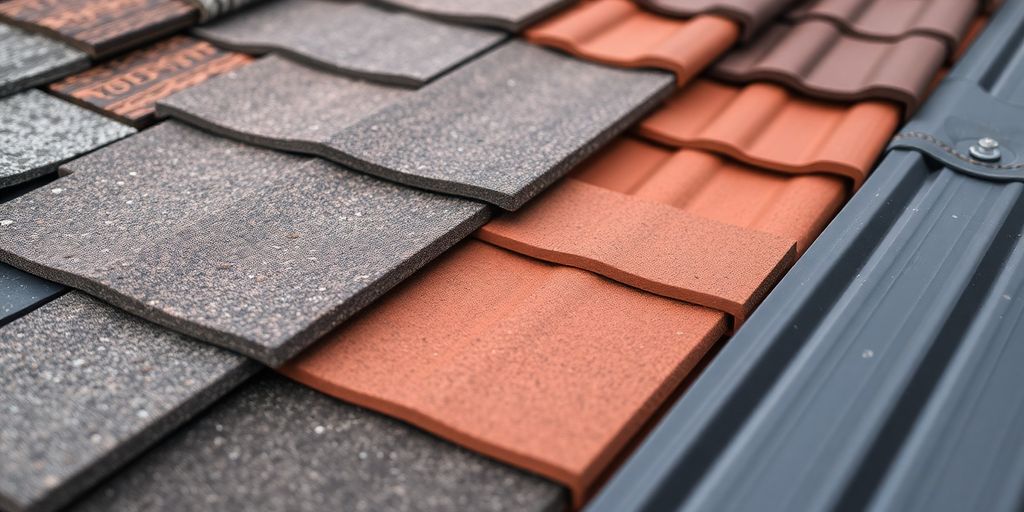
Picking the right stuff for your roof can feel like a big deal. It’s not just about how it looks, though that’s important for making your house look good from the street. You also need to think about how long it’ll last, what it costs, and if it can handle the weather where you live. We’ll break down some popular choices for roofing materials to help you figure out what’s best for your place.
Key Takeaways
- Consider how much you can spend on a new roof, as prices for different roofing materials vary a lot.
- Think about how long you want your roof to last; some materials last much longer than others.
- Warranties are important for protecting your investment, especially with manufactured materials like asphalt shingles and metal.
- Factors like your home’s design, energy efficiency needs, and local climate should influence your choice of roofing materials.
- Getting advice from a professional roofer can help you understand the pros and cons of each material for your specific home and situation.
Understanding Your Roofing Material Options
When you’re thinking about a new roof, it’s easy to get lost in all the different materials out there. But don’t worry, we’re going to break down some of the most popular options to help you figure out what might be the best fit for your home. Choosing the right material is a big deal, impacting everything from how your house looks to how long it lasts. Let’s take a look at a few of the top contenders.
Luxury Asphalt Shingles: Style Meets Durability
These aren’t your average asphalt shingles. Luxury asphalt shingles are designed to mimic the look of more expensive materials like slate or wood shakes, giving your home a really high-end appearance. They’re built to be tougher than standard shingles, offering better resistance to wind and impact. Plus, they tend to have a longer lifespan, often around 30 years or more, especially if you keep up with maintenance. They can be a bit pricier than basic shingles, but many homeowners find the added style and durability are well worth the investment. You can even get enhanced warranties if you use a full system from one manufacturer, which is something to look into.
Standing Seam Metal Roofing: Longevity and Appeal
Metal roofing, particularly standing seam, is a fantastic choice if you’re looking for something that lasts. We’re talking lifespans of 40 to 70 years here, which is pretty impressive. It’s made of panels that lock together, creating a sleek, modern look. Metal roofs are also really good at handling different weather conditions. While the initial cost might be higher than asphalt shingles, the longevity often makes it a cost-effective option over time. They usually come with good warranties on the finish, protecting the color and material from the elements for decades.
Cedar Shakes: Natural Beauty and Character
If you love a natural, rustic look, cedar shakes might be for you. They offer a unique beauty and character that synthetic materials just can’t quite replicate. Each shake is different, giving your roof a distinctive appearance. Cedar is also a good insulator. However, they do require more upkeep than other materials. You’ll need to clean them regularly and treat them to prevent rot and insect damage. Because they’re natural, they don’t typically come with material warranties, so that’s something to keep in mind if that’s a priority for you. They generally last about 30 years with proper care.
Slate Tiles: Timeless Elegance and Endurance
Slate tiles are the definition of timeless. They offer an incredibly elegant and sophisticated look that can last for a very, very long time – think 100 years or even more! Slate is a natural stone, which means it’s incredibly durable and resistant to fire and weather. This makes it a fantastic long-term investment. However, slate is also one of the heavier and more expensive roofing options available. The installation can be more complex, and because it’s a natural material, it doesn’t come with a manufacturer’s warranty. If you’re going for a classic, high-end look and have the budget, slate is definitely worth considering for your home’s curb appeal.
Key Factors in Choosing Roof Materials
Picking out a new roof is a pretty big deal, and honestly, it’s not just about how it looks. You’ve got to think about a few other things that really matter in the long run. It’s like choosing a car – you want it to look good, but you also need it to run well and not break the bank.
Budgeting for Your New Roof
Let’s be real, cost is usually the first thing on everyone’s mind. How much are you actually willing to spend? Some materials look amazing but come with a hefty price tag. If you’re on a tight budget, those fancy options might be out. But hey, sometimes spending a bit more upfront means you save money down the road. It’s a balancing act, for sure. You don’t want to go too cheap and end up regretting it later.
Desired Lifespan of Your Roof
So, how long do you want this roof to stick around? Are you planning to sell the house in five years, or are you building a legacy for your grandkids? Different materials have wildly different lifespans. Some might last 20-30 years, while others can go for 50 years or even longer. Think about how long you plan to stay in your home; it makes a difference in what makes sense for your wallet and your peace of mind.
Warranty Protection for Your Investment
What happens if something goes wrong? That’s where warranties come in. They’re like a safety net for your new roof. Some materials come with pretty standard warranties, while others offer extended, non-prorated coverage if you use specific components and a certified installer. Natural materials like slate or cedar often don’t have material warranties, which is something to keep in mind if that’s important to you. Always check the details of the warranty – it’s a big part of protecting your investment. roofing material options.
It’s easy to get caught up in the aesthetics, but don’t forget the practical stuff. A roof is a major home expense, and you want it to last and perform well without causing you headaches.
Here’s a quick look at how some common materials stack up:
- Luxury Asphalt Shingles: Generally offer around a 30-year lifespan, with potential for a 50-year non-prorated warranty when installed as a complete system.
- Standing Seam Metal: Can easily last 50+ years and often come with a 30-year paint warranty.
- Cedar Shakes: Typically last about 30 years but require more upkeep and don’t usually have material warranties.
- Slate Tiles: These are the marathon runners, often lasting 75-100+ years, but they don’t come with material warranties and are quite heavy.
Beyond the Basics: Additional Considerations
Beyond just picking a material that looks good and lasts a long time, there are a few other things to think about when you’re getting a new roof. These might not be the first things that come to mind, but they can make a big difference in how happy you are with your roof down the road.
Enhancing Your Home’s Curb Appeal
Your roof is a huge part of what people see when they look at your house. Picking the right material can really make your home stand out. Think about materials like cedar shakes or slate tiles; they have a natural charm that can give your home a really classic look. Metal roofs, especially standing seam styles, offer a more modern and sleek appearance. Even asphalt shingles come in different styles and colors now that can seriously boost your home’s look. The material you choose sets the tone for your home’s entire exterior. It’s not just about protection; it’s about making your house look its best.
Energy Efficiency and Utility Bills
Did you know your roof can actually affect your energy bills? Some materials are better at reflecting sunlight, which keeps your attic cooler in the summer. Lighter-colored shingles or metal roofs with special coatings can help with this. On the flip side, darker materials absorb more heat. Proper attic ventilation and insulation also play a big role, working hand-in-hand with your roofing material to keep your home comfortable and your energy costs down. It’s worth looking into how different materials perform in terms of energy efficiency.
Home Design and Architectural Style
It’s important that your new roof actually fits with the overall design of your house. A super modern metal roof might look a bit out of place on a historic Victorian home, and heavy slate tiles might not be the best fit for a simple ranch-style house. You want the roof to complement the architecture, not clash with it. Think about the lines of your house, the existing colors, and the general style. Sometimes, a professional roofer can help you see how different materials will look on your specific home. Getting a new roof is a big investment, and you want it to look right for years to come, so checking out different roofing materials is a good idea.
The Practicalities of Roof Materials
So, you’ve got a good idea of the different materials out there and what they look like. But what about the nitty-gritty stuff? Let’s talk about what it actually takes to get a new roof on your house and keep it there.
Installation Complexity and Time
Getting a new roof installed isn’t exactly a weekend DIY project for most people. Some materials are way easier and faster to put up than others. For instance, asphalt shingles are pretty standard and can usually be installed pretty quickly, often in just a day or two for a typical house. Metal roofing, especially standing seam, can take a bit longer because it’s often custom-cut and requires more precise fitting. Then you have things like slate or cedar shakes, which are beautiful but definitely more labor-intensive and can take significantly longer to install. This means more labor costs and potentially more disruption to your daily life.
Maintenance and Upkeep Requirements
Once your new roof is on, you’ll want to keep it looking good and performing well. Different materials need different levels of attention. Asphalt shingles are generally low-maintenance, but you might need to keep an eye out for granule loss or curling over time. Metal roofs are pretty tough and usually just need a good cleaning now and then, and you’ll want to check for any rust spots, though modern coatings help a lot with that. Natural materials like cedar shakes require more regular upkeep, like cleaning and possibly treatments to prevent moss or rot. Slate is super durable but can be brittle, so you’d want to be careful about walking on it or having heavy debris fall on it. Basically, think about how much time and effort you’re willing to put into keeping your roof in shape.
Weight Considerations for Your Home’s Structure
This is a big one that people often overlook. Not all roofing materials are created equal when it comes to weight. Asphalt shingles are relatively light. Metal roofing is also quite light. However, materials like concrete tiles and especially natural slate are incredibly heavy. If you’re considering these heavier options, especially on an older home, it’s really important to make sure your home’s structure can actually support that extra load. Sometimes, you might need to reinforce your roof’s framing before installation, which adds to the overall cost and complexity. It’s always best to consult with a professional roofer and possibly a structural engineer to make sure your home is up to the task. You can find more information on choosing the right materials at your local roofing contractor.
It’s not just about how the roof looks or how long it lasts; the practical side of installation and ongoing care really matters for the long haul.
Exploring Premium and Eco-Friendly Choices
When you’re looking to really make your home stand out, or perhaps you’re trying to be a bit kinder to the planet, there are some fantastic roofing options beyond the standard. These choices often come with a higher upfront cost, but they can offer unique benefits in terms of looks, longevity, and environmental impact. It’s about finding that sweet spot between premium quality and responsible living.
Synthetic Shingles: A Modern Alternative
Synthetic shingles are a newer player in the roofing game, often made from recycled plastics and rubber. They’re designed to mimic the look of natural materials like slate or cedar shakes but without the high maintenance or cost. They offer a great balance of aesthetics and durability. You’ll find they’re pretty resistant to impact, fire, and even algae growth, which is a nice bonus. Plus, many are made with recycled content, making them a more eco-conscious choice. Their lifespan is typically quite long, often comparable to or exceeding that of traditional asphalt shingles, and they usually come with solid warranties from manufacturers. It’s worth looking into these if you want a high-performance roof that’s also a bit greener.
Concrete Tiles: Strength and Resilience
Concrete tiles have been around for a while, and for good reason. They are incredibly strong and can withstand a lot of weather abuse, from heavy winds to hail. They also come in a huge variety of styles and colors, so you can really customize the look of your home. Think Mediterranean villas or Spanish-style homes – concrete tiles nail that aesthetic. They’re also fire-resistant, which is a big plus in many areas. While they are heavier than asphalt shingles and require a sturdy roof structure, their longevity and low maintenance make them a solid investment. You can expect these to last for decades, often 50 years or more, with proper care. They’re a good option if you’re looking for something that’s built to last and can handle tough conditions.
Eco-Friendly Asphalt Shingles
Even the most common roofing material, asphalt shingles, has gotten a green makeover. Some manufacturers now produce asphalt shingles with recycled materials, like plastic or rubber, mixed in. These
Making the Right Decision with Expert Guidance
So, you’ve looked at all the different materials, thought about your budget, and maybe even considered how long you want your roof to last. That’s a lot to take in, right? It can feel a bit overwhelming trying to figure out what’s truly the best fit for your home. That’s exactly why getting expert advice is so important.
Think of it like this: you wouldn’t try to perform surgery on yourself, even if you watched a few videos. Roofing is similar. Professionals have seen it all, from tricky installations to unexpected weather damage. They know which materials hold up best in our specific climate and can spot potential problems you might miss. They can also help you understand the fine print on warranties, which can be a real lifesaver down the road.
The Value of Professional Roofing Advice
Getting advice from a pro isn’t just about picking a shingle color. It’s about making sure your entire roof system works together. A good roofer will look at:
- Your home’s structure and slope.
- How much sun or shade your house gets.
- Local weather patterns and any storm risks.
- Your attic’s ventilation and insulation.
This kind of detailed assessment helps make sure you’re not just getting a new roof, but a better roof that will last. They can also point you towards energy-efficient options that might save you money on utility bills over time. It’s about making a smart investment for your home’s future.
Assessing Your Roof’s Specific Needs
Every house is a little different, and so is every roof. What works for your neighbor might not be the perfect choice for you. A professional can help you figure out:
- If your current roof has any underlying issues that need addressing before a new one goes on.
- Which materials are best suited for your home’s architectural style.
- The best way to integrate new roofing with existing ventilation and insulation.
Don’t just pick the material that looks good in a magazine. A professional can help you understand the long-term performance and maintenance needs of each option, ensuring you make a choice you’ll be happy with for years to come.
Choosing Materials for Your Climate
This is a big one. The weather where you live plays a huge role in how well your roof performs. For example, if you’re in an area with heavy snow, you’ll want materials that can handle the weight and shed snow effectively. If you get a lot of intense sun, UV resistance becomes a major factor. A qualified contractor will know which materials are best suited for your local climate, helping you avoid premature wear and tear. They can guide you on everything from impact resistance for hail-prone areas to wind uplift ratings for stormy regions. Making the right choice now can save you a lot of headaches and money later on.
So, Which Roof Material Wins?
Picking the right roof for your house can feel like a lot, right? We’ve talked about how different materials look, how long they last, and what kind of warranties you can get. Remember, the ‘best’ material isn’t the same for everyone. It really comes down to what you can spend, how long you want it to last, and what look you’re going for. Don’t forget to think about your home’s style and how much upkeep you’re willing to do. Once you’ve thought about all that, you’ll be in a much better spot to choose a roof that you’ll be happy with for years to come.
Frequently Asked Questions
How much should I plan to spend on a new roof?
When picking a roof material, think about how much cash you have to spend. Some fancy materials cost more upfront, but they might save you money later because they last longer. Cheaper options might mean you need to save up for repairs down the road. It’s a balancing act between your wallet now and your wallet later.
How long do I want my new roof to last?
You should think about how long you want your roof to last. Some materials, like metal or slate, can last for many decades, even longer than you might live in your house! Others, like asphalt shingles, might need replacing sooner, usually around 20-30 years. Consider if you’re looking for a ‘forever roof’ or something that’s good for the next few decades.
Are roof material warranties important?
Yes, warranties are important! They protect you if the roofing material has a problem. Some materials come with great warranties, especially if you use all the parts from the same company and have a certified installer. Natural materials like cedar or slate usually don’t have warranties because they’re, well, natural. Always check what the warranty covers and for how long.
How important is the look of the roof for my home’s appearance?
Definitely! The look of your roof can make your whole house look better from the street. Materials like fancy asphalt shingles, metal roofs, or slate tiles can really make your home stand out. Think about what style you like and what will make your house look its best.
Can my roof choice affect my energy bills?
Some roofing materials can help keep your house cooler in the summer and warmer in the winter. This means your heating and cooling systems won’t have to work as hard, which can save you money on your energy bills. Lighter colors and materials that reflect heat are often good for energy efficiency.
Should I get professional advice before choosing a roof material?
It’s a really good idea to talk to a professional roofer. They know a lot about different materials, how they hold up in your specific weather, and what will work best for your house’s structure. They can help you understand the pros and cons of each option and guide you to the best choice for your situation and budget.