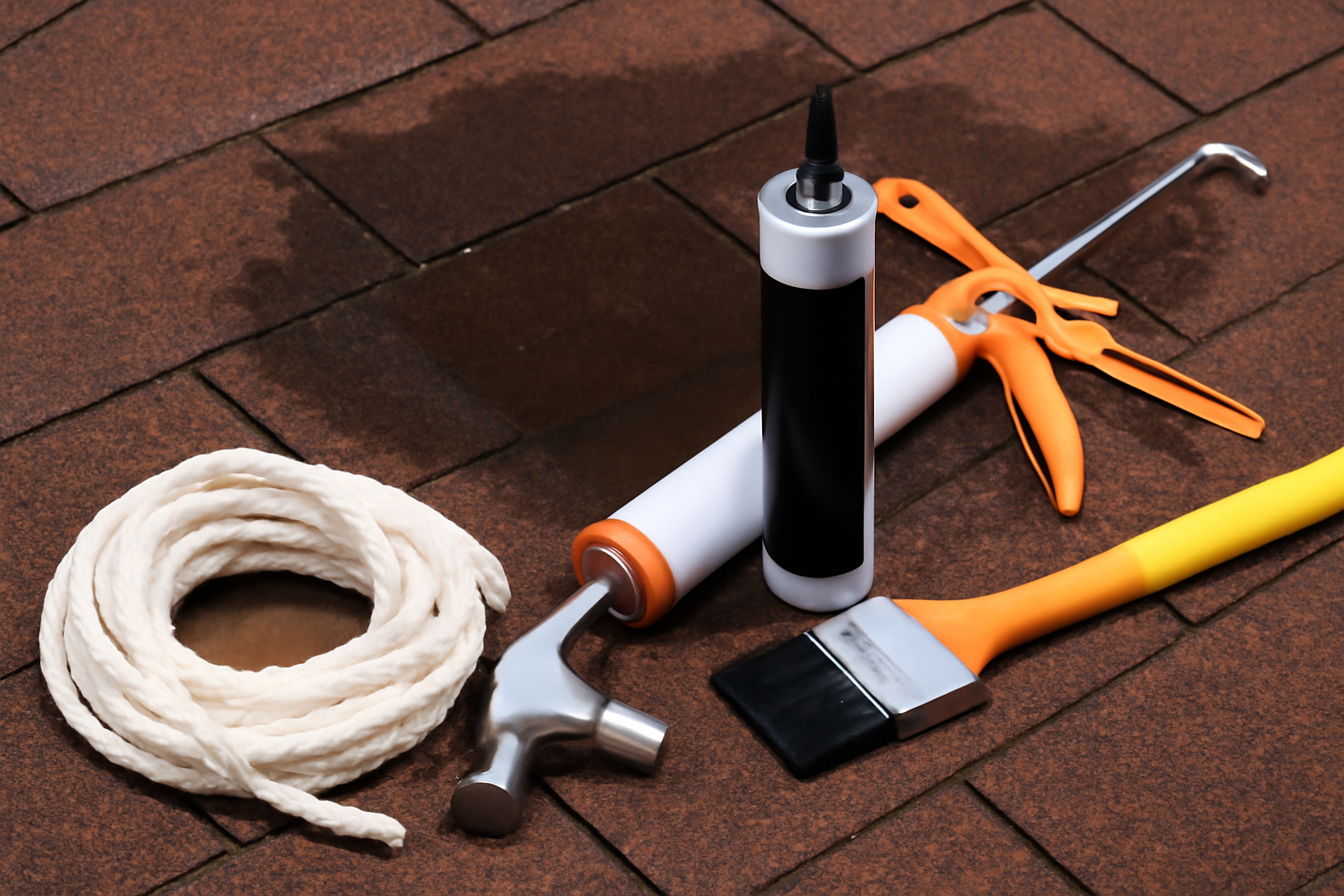
Roof leaks can cause a lot of problems for homeowners. They can lead to water damage, mold, and even harm the structure of your home. It’s important to find and fix these leaks early to protect your home and avoid expensive repairs later.
We’ll look at the signs of roof leaks. We’ll also cover the tools and materials you need to detect leaks. Plus, we’ll talk about professional ways to fix them.

Spotting roof leaks early can prevent a lot of damage. Knowing the signs and taking action quickly can save your home from water damage. This guide is for everyone, whether you’re a seasoned homeowner or new to owning a property. It will give you the tools and knowledge to handle roof leaks.
Common Signs of Roof Leaks and Water Damage
Spotting roof leaks early is key to avoiding big damage to your home. Water stains on your ceiling or shingle damage outside are clear warnings. Catching these signs early can save you a lot of time and money.
Interior Warning Signs
Water stains on your ceiling or walls are a clear sign of a roof leak. These marks show a problem that needs quick attention. Also, mold in your attic or upper floors can mean a leak is happening.
Exterior Warning Signs
Checking your roof’s outside can show problems too. Look for damaged, curled, or missing shingles. These can let water in and cause harm. Ice dams on your roof in winter might mean poor insulation or ventilation, leading to water damage.
Seasonal Damage Patterns
The season affects the types of roof damage you might see. Heavy rain or snow can cause water stains and mold. Extreme temperatures can damage shingles and create ice dams. Knowing these patterns helps you stay on top of issues before they get worse.

Essential Tools and Materials for Leak Detection
Finding and fixing roof leaks needs the right tools and materials. Whether you’re a homeowner or a roofer, the right equipment is crucial. It can make a big difference in fixing the leak successfully.
A moisture meter is a key tool for finding leaks. It measures moisture levels in your roof. This helps you find where the leak is and plan how to fix it.
A thermal imaging camera is also very useful. It uses infrared to find temperature changes, showing hidden leaks. Roofers often use it to find and fix leaks that aren’t easy to see.
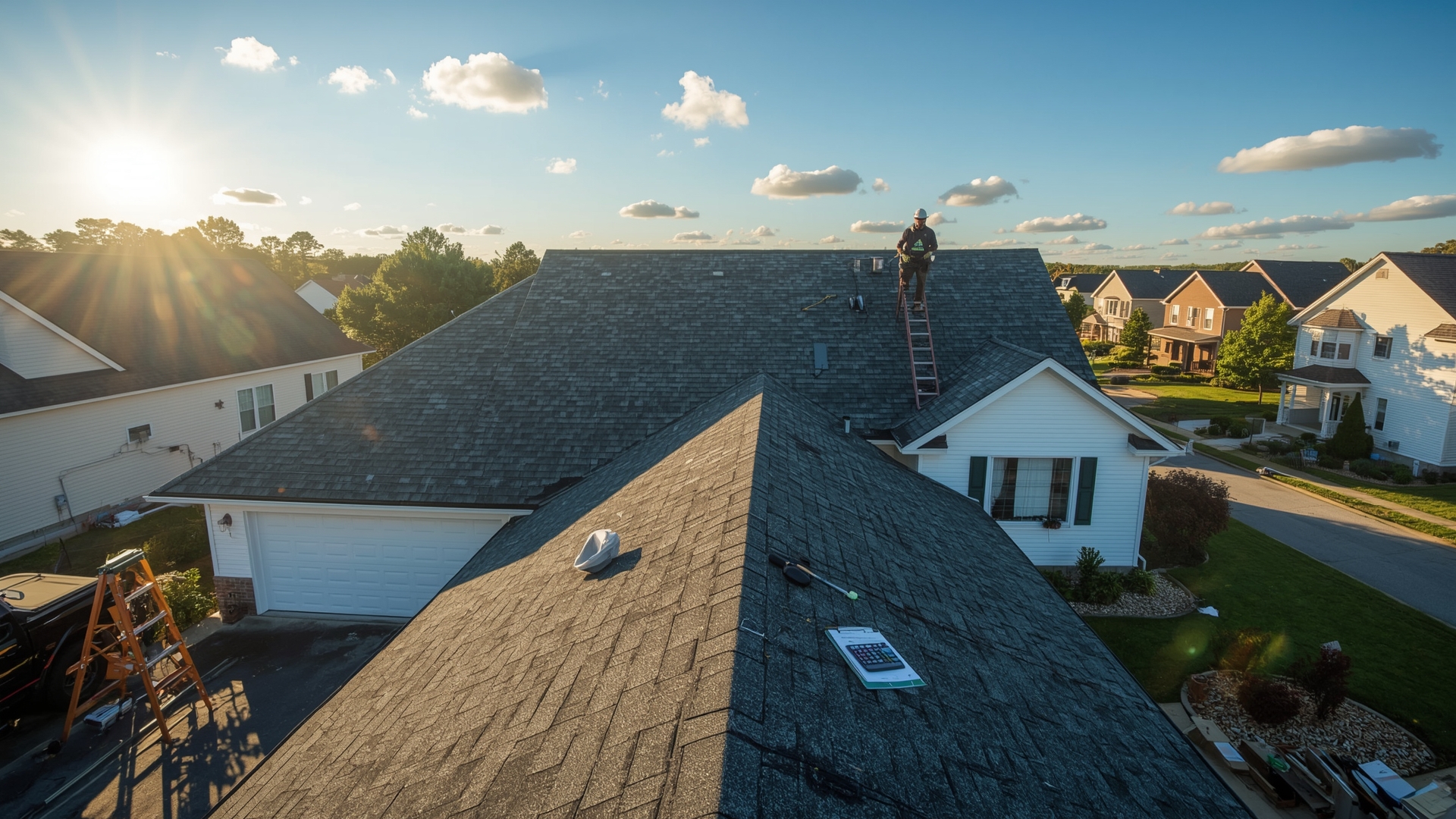
Every homeowner or roofer should have a basic roof inspection kit. It includes a flashlight, ladder, mirror, and probe. These tools help you check the roof closely and find any issues.
Having the right tools helps you find and fix roof leaks early. This prevents bigger problems and expensive repairs later on.
Professional Methods to Fix Roof Leaks
Professional roofers use many techniques to fix roof leaks. They offer both quick fixes and long-term solutions. Knowing these methods helps homeowners choose the right option for their homes.
Emergency Temporary Repairs
Roofers use quick fixes for leaking roofs. They patch shingles, seal cracks, or put on a temporary roof. These fixes stop leaks until a permanent solution is found.
Long-term Solutions
For a lasting fix, roofers suggest more detailed repairs. This includes replacing shingles, fixing flashing, or even a new roof. These solutions fix the leak’s cause and keep the roof strong. They might cost more but last longer.
Cost Considerations
The cost of fixing roof leaks varies. It depends on the damage, materials, and repair complexity. Costs range from a few hundred to several thousand dollars.
Getting professional roof repairs saves money in the long run. It prevents water damage and structural problems. Knowing the costs and methods helps homeowners make smart choices.
Preventive Maintenance Tips for Your Roof
Keeping your roof in good shape is key to avoiding expensive leaks and water damage. By acting early, you can make your roof last longer and keep your home safe. Here are some important tips for roof maintenance:
- Regular gutter cleaning – Clean your gutters at least twice a year. This ensures water flows right and stops clogs, which can cause leaks.
- Periodic roof inspection – Check your roof often. Look for missing, cracked, or damaged shingles and any wear signs.
- Tree trimming – Trim tree branches that hang over your roof. This stops them from damaging your roof.
- Proper attic ventilation – Make sure your attic has enough ventilation. This helps control temperature and humidity, helping your roof last longer.
By following these tips, you can spot and fix small problems before they get big. This saves you time and money in the long run.
When to Call a Professional Roofer
Keeping your roof in good shape is key to protecting your home. Sometimes, you might need more than just DIY fixes. Knowing when to call a licensed roofer is crucial. This way, you can avoid small problems from becoming big ones and keep your roof lasting longer.
Emergency Situations
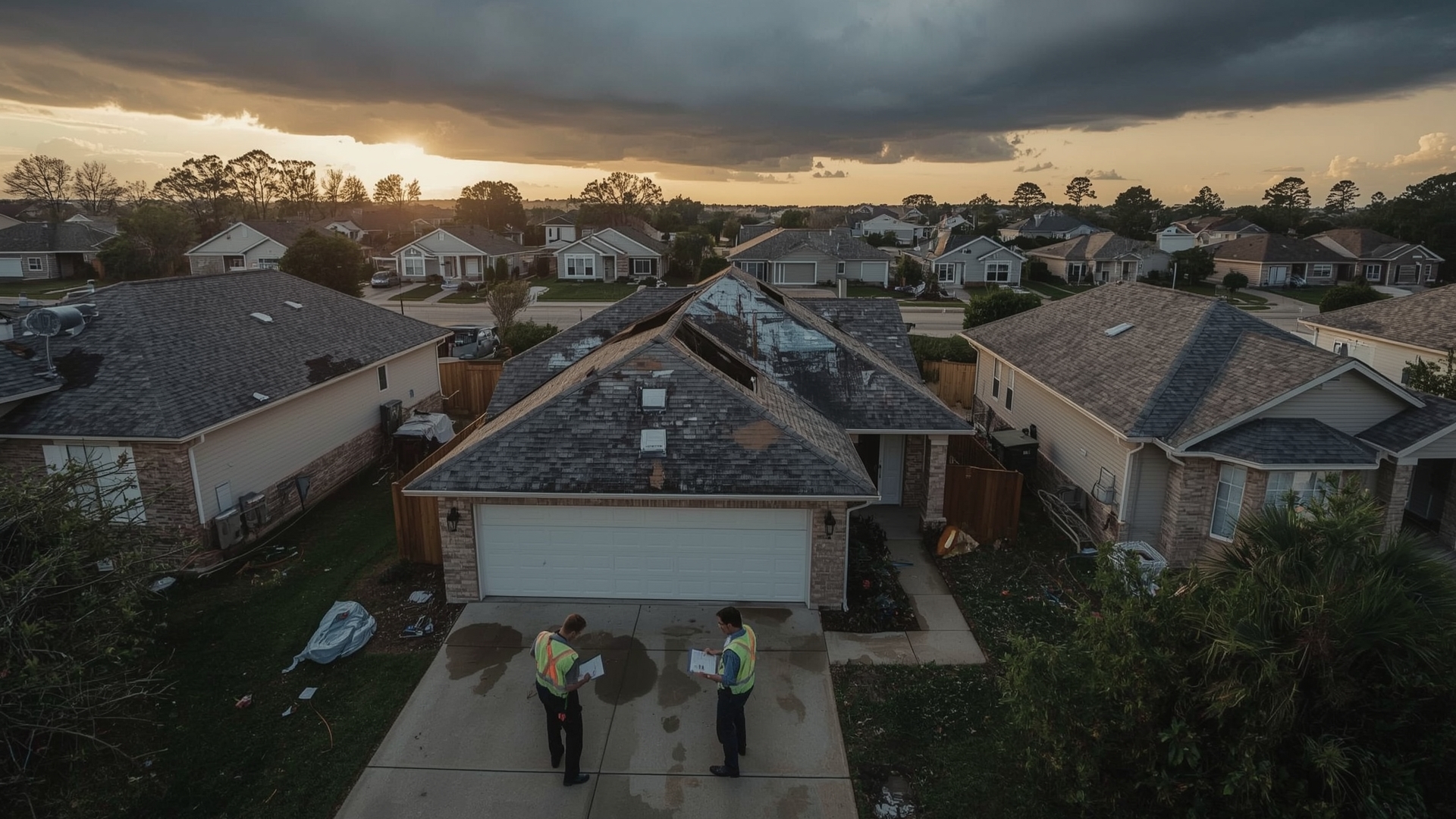
Some roof issues need immediate help from a pro. Look out for big leaks, storm damage, or a roof that’s starting to collapse. These emergencies need quick action to avoid more damage and keep your home safe.
Insurance Considerations
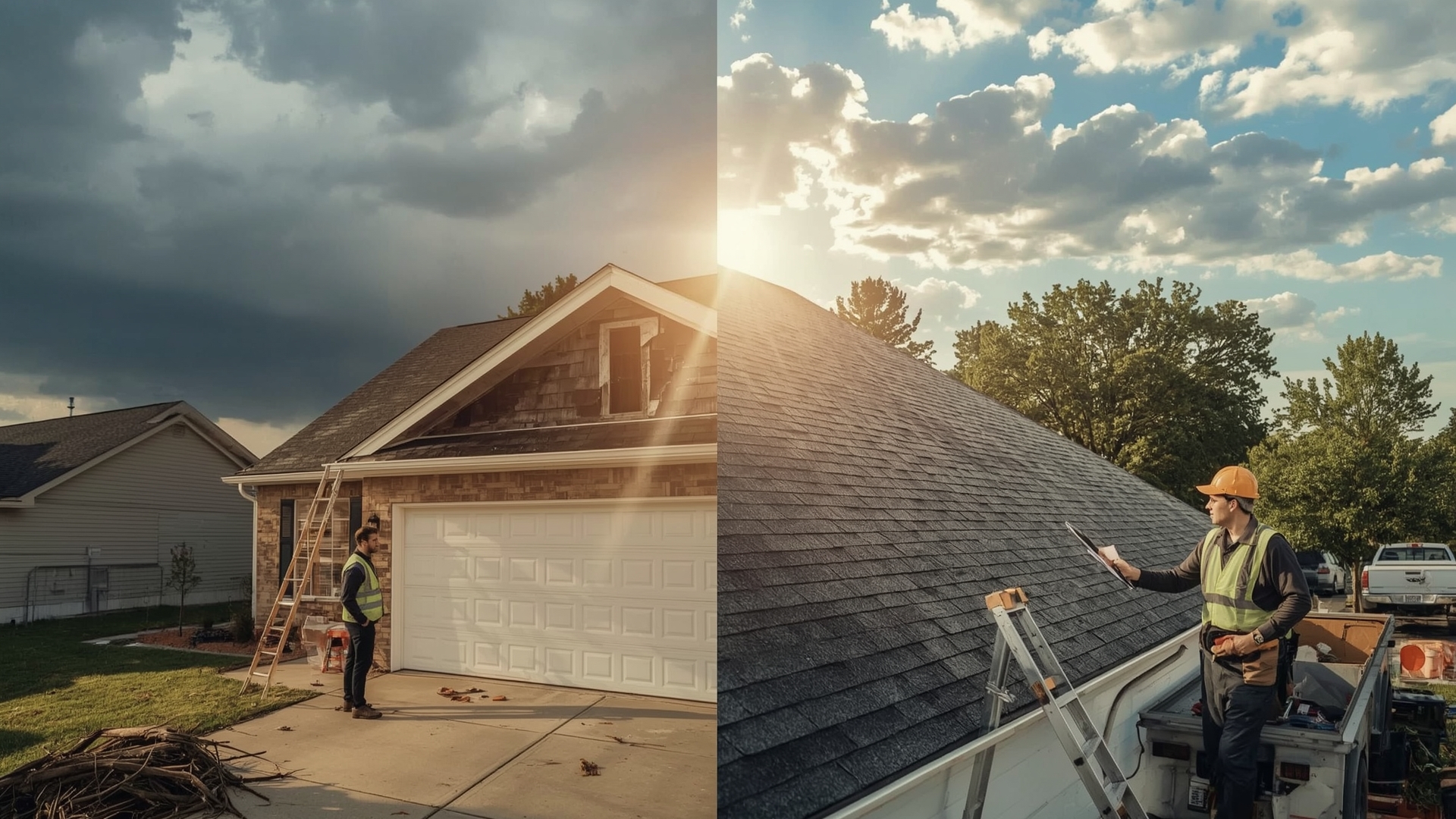
When you file an insurance claim for roof damage, you need a certified roofer. Insurance companies often ask for a roof check or certification to see the damage. A licensed roofer can guide you through this, making sure your claim is handled right.
Choosing the Right Contractor
- Find a licensed roofer who is insured, experienced, and has a good reputation.
- Check their references and reviews to see if they’re reliable.
- Make sure they offer a solid roofing warranty.
- Talk about the insurance claims process and if they know about roof certification.
Working with a reliable licensed roofer means your roof will be fixed or replaced well. This protects your home and gives you peace of mind.
The Cost of Ignoring Roof Leaks
Ignoring roof leaks can lead to big financial problems. It can cause damage, health issues, and lower your property’s value. It’s important to know the cost of ignoring roof leaks and take action to protect your home.
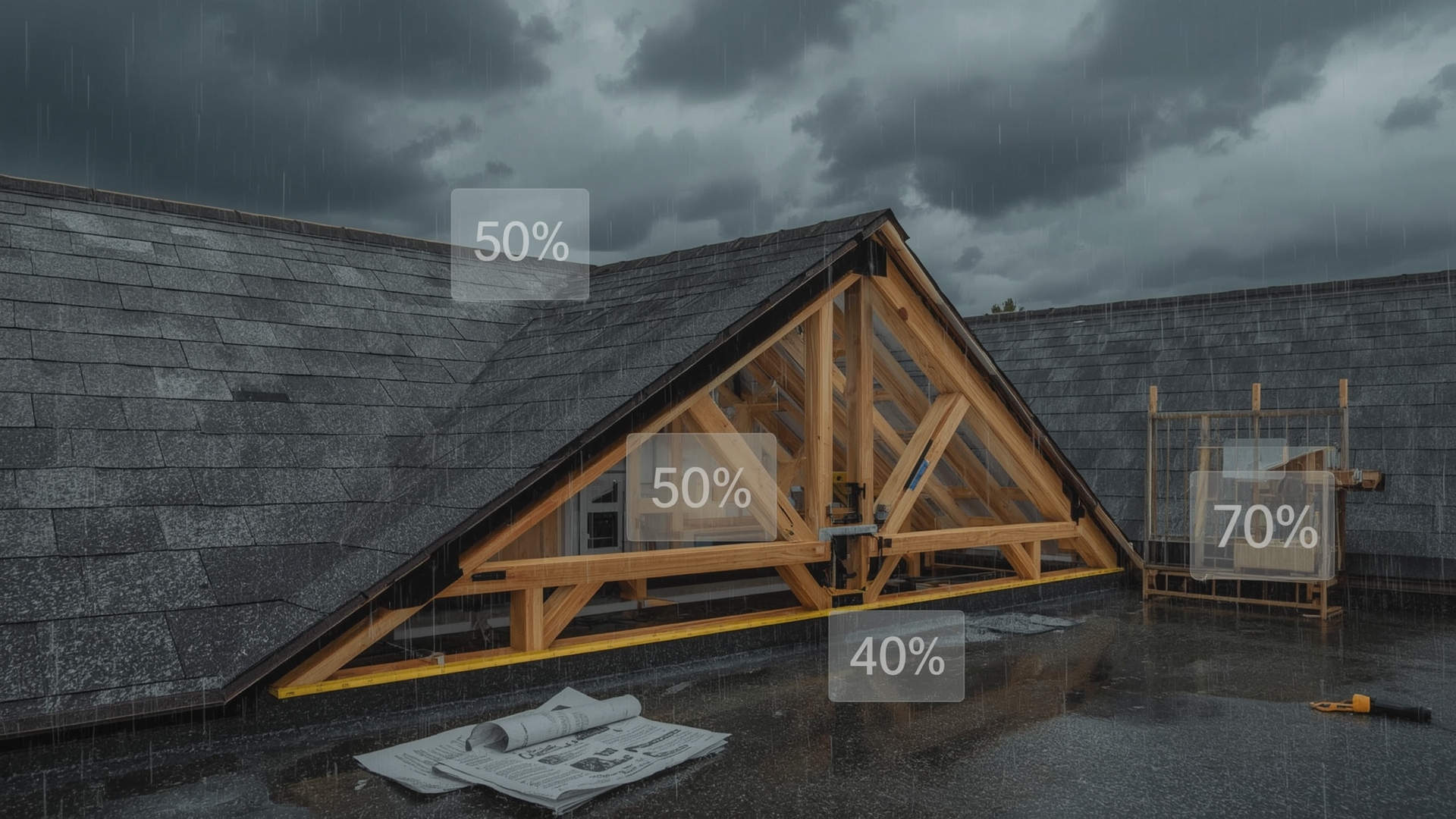
Structural damage is a big worry with roof leaks. Leaks can weaken roof beams and joists, risking your roof’s collapse. This can be dangerous and very expensive, costing thousands of dollars.
Mold growth is another serious problem. Leaks create a perfect place for mold to grow, harming your health. Fixing mold can cost a lot, from hundreds to tens of thousands of dollars, depending on the problem.
Roof leaks also hurt your energy efficiency. Water can damage insulation, raising your heating and cooling costs. This increases your utility bills and harms the environment.
Lastly, ignoring roof leaks can lower your property’s value. Buyers are cautious of homes with structural or mold issues. Fixing roof leaks can keep your home’s value high and make selling easier.
In summary, ignoring roof leaks has many costs. It can cause damage, health problems, energy waste, and lower your property’s value. Fixing roof leaks quickly helps protect your investment, keeps your family safe, and preserves your property’s value.
Conclusion
Fixing roof leaks quickly is key to keeping your home safe and preventing big water damage. Knowing the signs of leaks and having the right tools helps. Also, thinking about professional repair options is smart.
Keeping your roof in good shape is all about regular checks and quick fixes. If you spot a leak, act fast. Look for both quick fixes and long-term solutions to keep your home safe and sound.
Don’t worry if you’re not sure what to do about a roof leak.