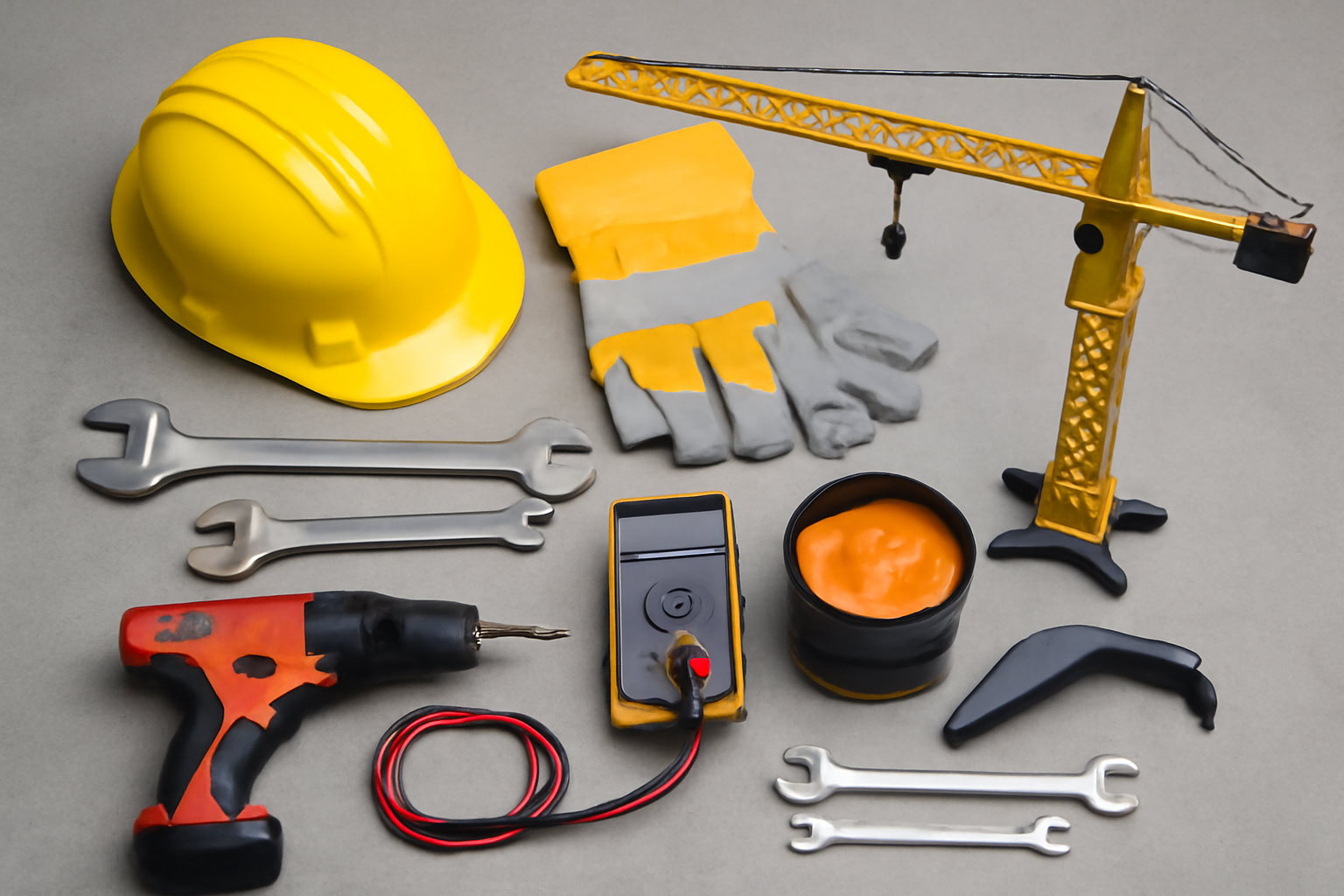
Maintaining your crane is essential for ensuring its reliability, safety, and efficiency. Regular upkeep helps prevent unexpected failures and extends the operational lifespan of your equipment. Based on Crane Operator Training North Carolina, here are key steps you can take to maintain your crane effectively.
1. Follow Manufacturer’s Maintenance Schedule
The most important step in crane maintenance is adhering to the manufacturer’s maintenance schedule. Each crane comes with specific guidelines for inspections and servicing. These schedules are designed to ensure that critical components are checked and maintained regularly. Skipping these scheduled checks can result in avoidable mechanical issues that may compromise crane performance and safety.
2. Inspect the Crane Daily
Before operating the crane, perform a visual inspection of all components, including the boom, winch, hydraulics, and counterweights. Check for any visible signs of damage, wear, or loose parts. Daily inspections allow you to catch small problems before they escalate into larger, costlier repairs. Always ensure that all safety mechanisms, like the load charts and limit switches, are functioning properly.
3. Lubricate Moving Parts
Regular lubrication of moving parts, such as the crane’s hoist, boom, and slew ring, is essential for reducing friction and wear. Failing to lubricate these components can lead to premature damage and increase the risk of operational failure. Ensure that the lubrication is applied according to the crane’s service manual, using the correct types of lubricants for each part.
4. Monitor Hydraulic Systems
Hydraulic systems are critical to the operation of your crane, controlling its lifting power and movement. Regularly check the hydraulic fluid levels and ensure that there are no leaks. Low fluid levels or contamination can cause the system to underperform or even fail. Clean filters, inspect hoses for wear, and replace damaged components as needed to keep the hydraulic system functioning smoothly.
5. Check the Crane’s Electrical System
The electrical system in a crane controls important functions like the winch, hoist, and motor. Inspect all electrical components for signs of wear or malfunction. Ensure that connections are clean, secure, and free from corrosion. Electrical problems can cause the crane to lose power or become erratic in operation, potentially leading to serious accidents.
6. Examine the Load Hook and Rope
The load hook and rope are crucial components for safely lifting loads. Inspect the hook for any cracks or signs of wear. Hooks that are bent, cracked, or deformed should be replaced immediately. Similarly, check the rope for frays, kinks, or broken strands. Rope damage can compromise the lifting capacity and safety of the crane, so replacing damaged ropes is essential.
7. Maintain the Crane’s Tires (If Applicable)
If your crane is mounted on tires, regular tire maintenance is important for ensuring stable operation. Check tire pressure regularly, and replace tires that show signs of excessive wear or damage. Underinflated tires can reduce load capacity and handling ability, leading to unsafe operating conditions.
8. Keep the Crane Clean
Dirt, grease, and other debris can accumulate on the crane over time, particularly in the areas that are most susceptible to wear, such as the undercarriage, wheels, and joints. Regular cleaning helps prevent the buildup of grime that could affect the performance and longevity of mechanical parts. Cleaning also makes it easier to spot potential issues, like leaks or cracks, early on.
9. Calibrate and Test Safety Features
Crane safety features, such as overload protection systems, limit switches, and emergency stop mechanisms, should be regularly calibrated and tested to ensure they function correctly. A malfunction in any of these systems could lead to catastrophic failure during operation. Periodic testing ensures that all safety mechanisms are up to code and ready to perform when needed.
10. Train Operators
Crane operators must be trained to properly use the equipment and recognize early signs of issues. Proper training reduces the likelihood of misuse, which can cause unnecessary strain on the crane. Operators should be familiar with daily checks and the importance of following manufacturer guidelines, particularly regarding load limits and operation protocols.
11. Schedule Professional Inspections
In addition to daily checks and maintenance, schedule periodic inspections with Certified Safety Experts. Our inspectors have the expertise to detect issues that may not be visible during routine inspections. These inspections are essential for compliance with safety standards and regulations and for identifying areas of concern that require immediate attention.
12. Replace Worn Parts Promptly
Worn parts can cause the crane to operate inefficiently, and in some cases, they can lead to serious mechanical failures. Regularly assess key components like brakes, gears, and bearings. If any part shows signs of excessive wear or damage, replace it promptly. This proactive approach helps avoid unexpected downtime and costly repairs in the future.
Conclusion
Maintaining your crane is a vital part of ensuring its longevity, safety, and efficiency. By following these guidelines and committing to regular inspections and maintenance, you can reduce downtime, prevent costly repairs, and extend the lifespan of your crane. Remember, a well-maintained crane is a safer crane that will deliver reliable performance for years to come.
Certified Safety Experts
7410 Chapel Hill Rd Suite 101, Cary, NC 27513
+1 (919) 326-3742