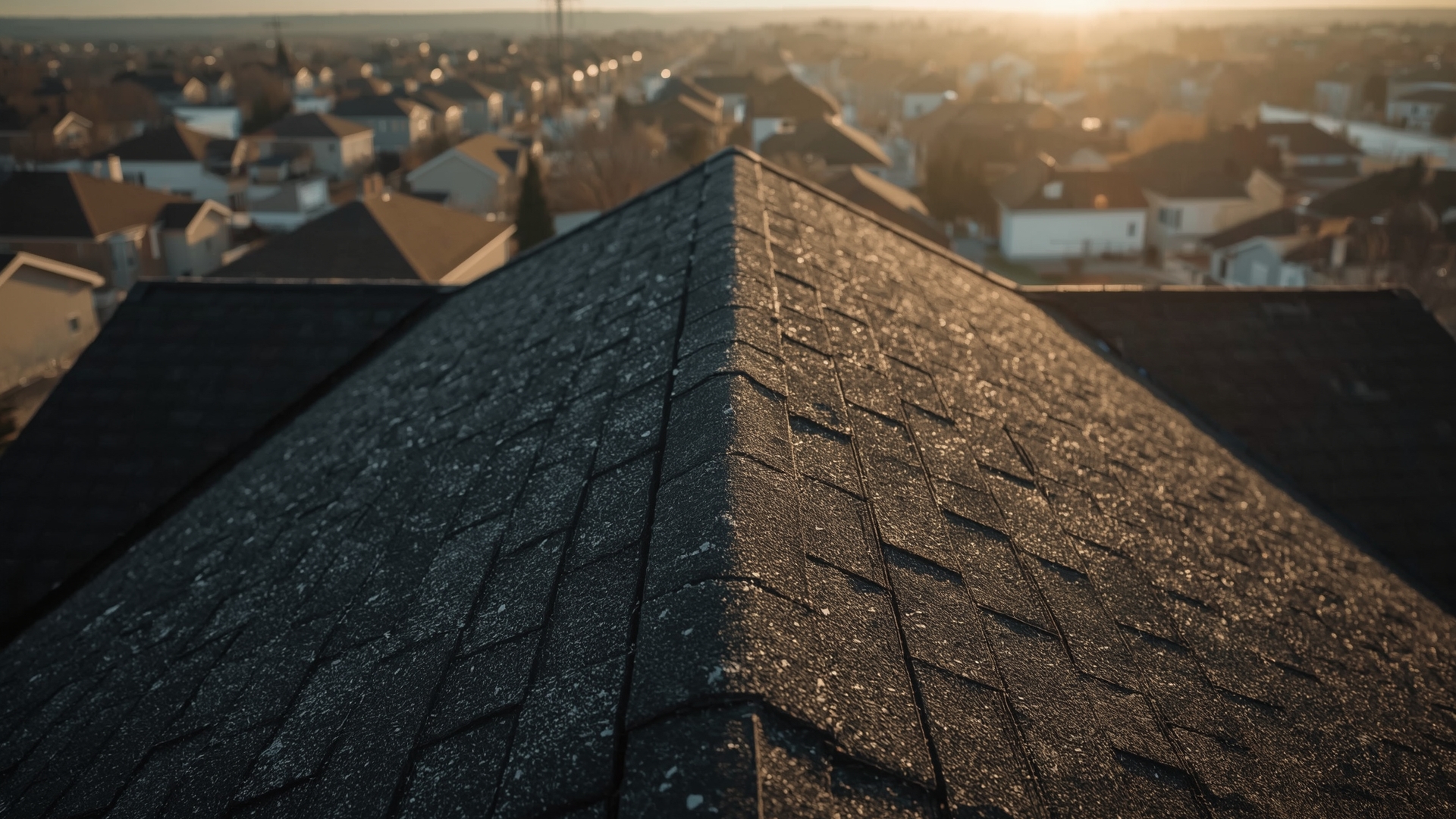
Most asphalt shingles look alike on the surface. But what’s mixed into the asphalt makes a big difference in how they hold up. SBS modified asphalt shingles use a rubber-like polymer blended directly into the asphalt. That single change makes them flex instead of crack, resist impacts better, and survive temperature swings that destroy standard shingles.
If you live somewhere with harsh winters, heavy hail, or dramatic temperature shifts between seasons, this distinction matters a lot. Knowing what SBS modification actually does helps you decide whether the upgrade is worth the added cost.
Key Takeaways
- SBS stands for Styrene-Butadiene-Styrene, a synthetic rubber polymer blended into asphalt to improve flexibility and impact resistance.
- SBS shingles flex rather than crack in cold temperatures, making them the top choice for northern climates and high-altitude installations.
- They perform better in hail because the rubber-modified asphalt absorbs impact energy instead of fracturing on contact.
- SBS shingles cost 10–25% more than standard architectural shingles, but they often qualify for insurance discounts when rated Class 3 or Class 4.
- Major brands including CertainTeed, Owens Corning, GAF, and IKO all offer SBS-modified product lines.
- Not every shingle labeled “impact resistant” uses SBS; always verify the modification type and the UL 2218 impact rating before purchasing.
What Is SBS Modification in Asphalt Shingles?
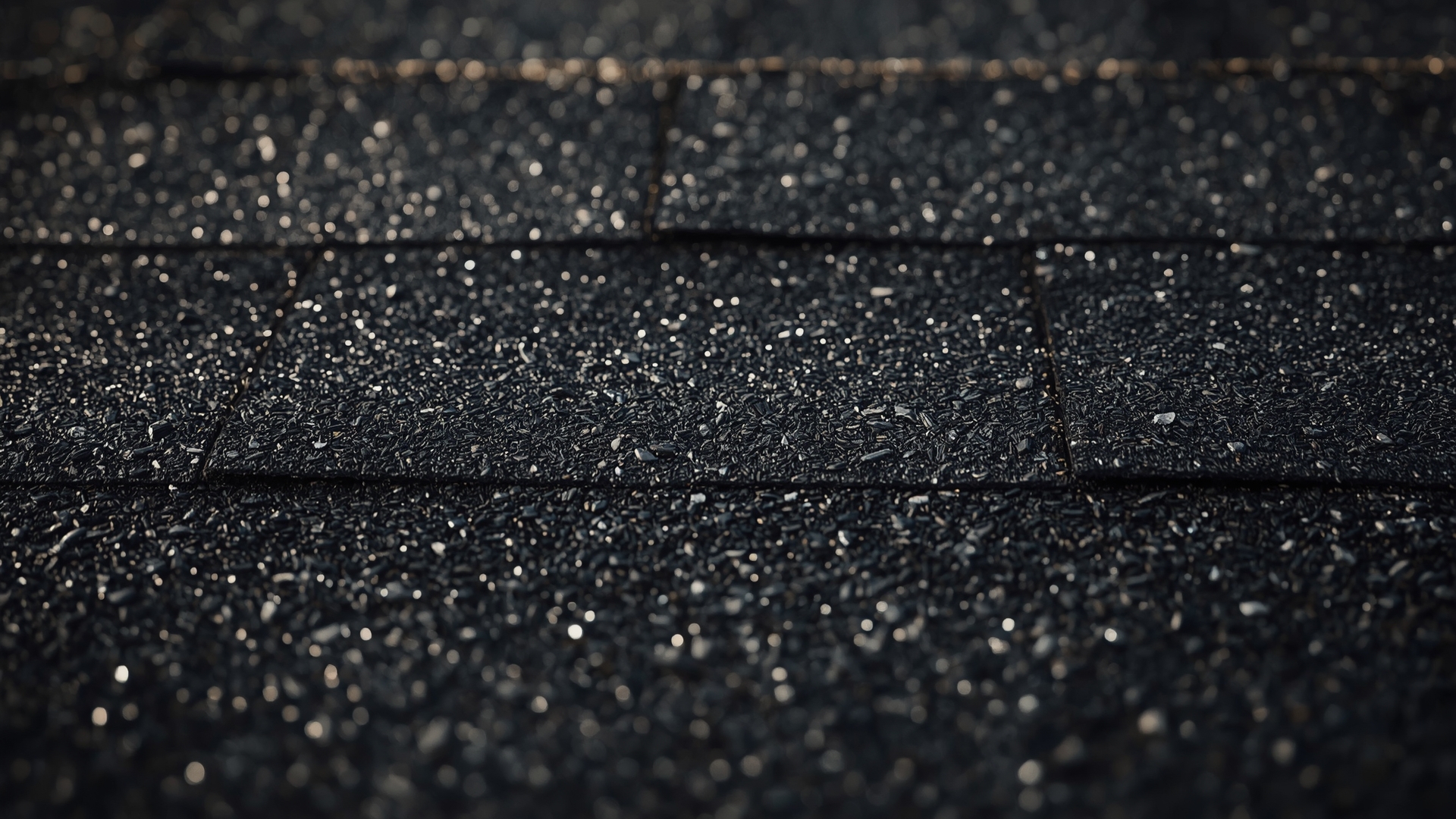
Quick Answer: SBS modification adds a synthetic rubber polymer called Styrene-Butadiene-Styrene to the asphalt matrix. This makes the shingle flexible at low temperatures and more resistant to cracking, tearing, and impact damage than standard oxidized asphalt shingles.
Standard asphalt shingles use oxidized (also called blown) asphalt. That process makes the asphalt harder and more stable, but it also makes it brittle. When temperatures drop below freezing, oxidized asphalt loses elasticity. Step on a cold standard shingle and it can crack. A hailstone hits it and the granules shatter off.
SBS modification changes the chemistry of the asphalt itself. The SBS polymer forms a three-dimensional network inside the asphalt. Think of it like mixing rubber bands into a block of wax. The wax alone snaps when bent cold. The rubber-reinforced version bends and springs back.
The result is a shingle that maintains flexibility across a wider temperature range, typically from around -40°F up to 220°F. That range matters whether you’re dealing with a Minnesota winter or a Texas summer.
How Does SBS Differ From Standard Oxidized Asphalt?
Quick Answer: Standard asphalt shingles use oxidized asphalt that becomes brittle in cold weather. SBS shingles blend a rubber polymer into the asphalt, keeping it flexible from -40°F to 220°F. SBS shingles resist cracking, impact damage, and granule loss better than oxidized alternatives.
The Chemistry Behind the Difference
Oxidized asphalt gets its durability from a controlled air-blowing process that hardens the material. It works well in mild climates, but it has a narrow performance window.
SBS asphalt skips oxidation and instead uses polymer modification. The SBS polymer chains interlace with the asphalt molecules. This creates a viscoelastic material, meaning it behaves like both a liquid and a solid depending on conditions. At cold temperatures, it stays pliable. Under impact, it absorbs and distributes the energy rather than fracturing at the point of contact.
Side-by-Side Performance Comparison
| Attribute | Standard Oxidized Asphalt | SBS Modified Asphalt |
|---|---|---|
| Low-Temperature Flexibility | Brittle below 20°F | Flexible to -40°F |
| High-Temperature Limit | ~180°F | ~220°F |
| Impact Resistance Rating | Typically Class 1 or Class 2 | Often Class 3 or Class 4 (UL 2218) |
| Cracking Risk in Cold | High | Low |
| Granule Adhesion | Moderate | Strong (polymer locks granules) |
| Typical Lifespan | 20–30 years | 25–40 years |
What Products Use SBS Modified Asphalt?
Quick Answer: CertainTeed Landmark Pro, Owens Corning Duration Flex, GAF Timberline HDZ with StainGuard Plus, and IKO Nordic are among the most widely available SBS-modified shingle products. Each uses SBS polymer in the asphalt coating layer, not just the base mat.
Most SBS-modified shingles are sold as premium architectural or designer-grade products. They look identical to standard architectural shingles from the street. The SBS content is internal, in the asphalt matrix itself.
Some manufacturers also use SBS in their underlayment products, like self-adhering ice-and-water barriers. That’s a separate product category. When evaluating shingles specifically, confirm that the SBS polymer is in the shingle coating, not just the underlayment.
EAV: SBS Modified Shingle Product Comparison
| Product | Manufacturer | UL 2218 Rating | Wind Rating | Warranty | Approx. Cost Per Square |
|---|---|---|---|---|---|
| Landmark Pro | CertainTeed | Class 4 | 130 mph | Lifetime (transferable) | $120–$160 |
| Duration Flex | Owens Corning | Class 4 | 130 mph | Lifetime (limited) | $115–$155 |
| Timberline HDZ | GAF | Class 4 (select lines) | 130 mph | Lifetime (System Plus) | $110–$150 |
| Nordic | IKO | Class 4 | 130 mph | Lifetime (limited) | $115–$150 |
| StormMaster Shake | Atlas Roofing | Class 4 | 150 mph | Lifetime (transferable) | $130–$175 |
Cost per square (100 sq ft) reflects material only as of 2026. Installation adds $150–$350 per square depending on region and complexity.
Why Do SBS Shingles Perform Better in Cold Climates?
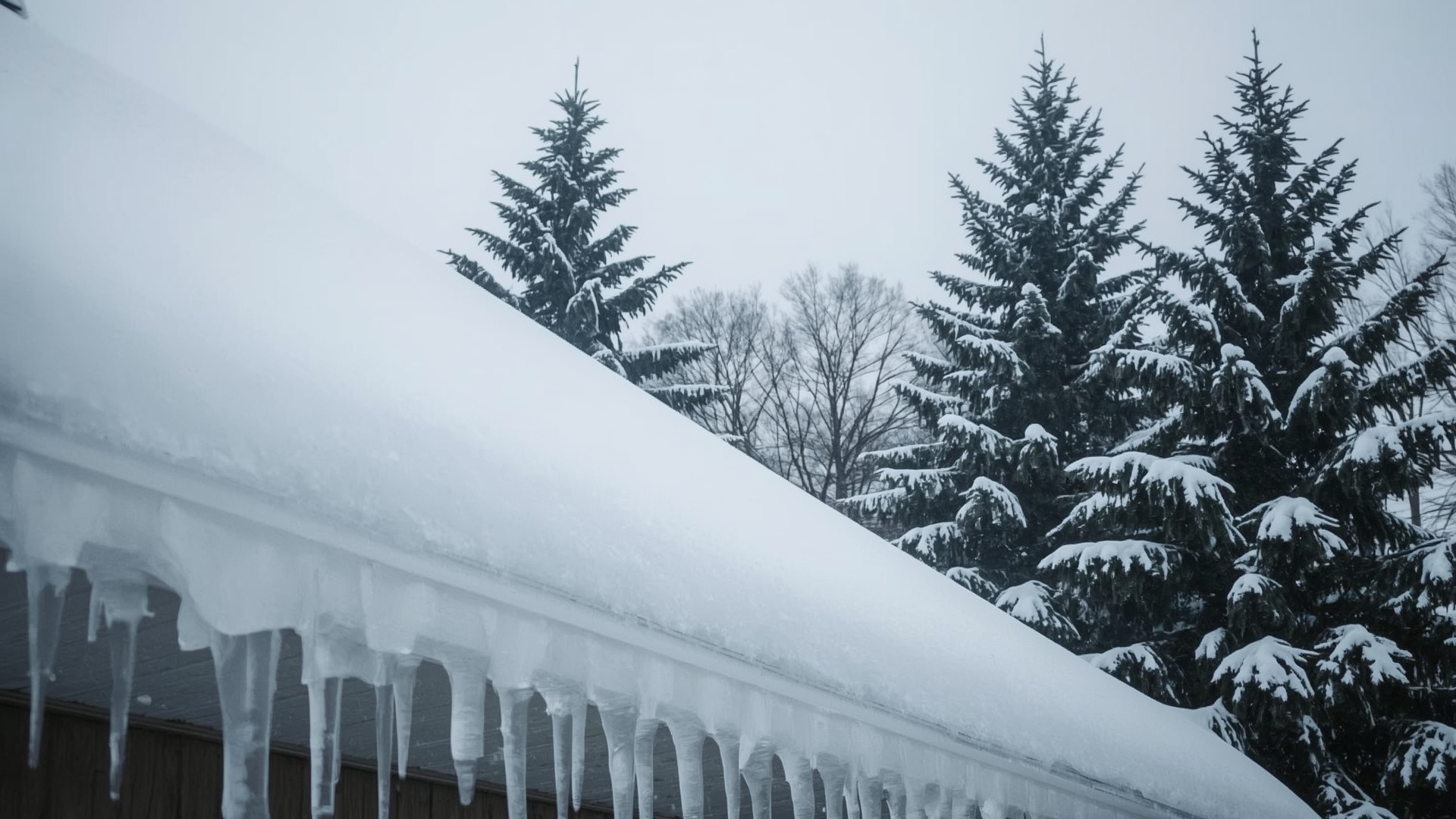
Quick Answer: Cold temperatures make standard asphalt brittle. SBS polymer keeps the asphalt pliable down to -40°F, so the shingle bends with thermal movement instead of cracking. This matters most in freeze-thaw climates where roofs expand and contract repeatedly every season.
Every roof deck expands in heat and contracts in cold. This constant movement puts stress on the shingles above it. Standard asphalt shingles eventually develop micro-cracks from this cycling. Water gets in, freezes, and the cracks widen. That’s the freeze-thaw cycle, and it’s the primary cause of premature shingle failure in northern climates.
SBS shingles flex with the movement rather than resisting it. The polymer chains act like shock absorbers for the entire shingle structure. Over a 25-year lifespan, that flexibility adds up to significantly less cracking, fewer leaks, and less granule loss.
Installers working in cold climates also note a practical advantage: SBS shingles can be installed at lower temperatures without cracking during handling. Standard architectural shingles become dangerously brittle below 40°F and should not be installed without warming. Most SBS products can be installed down to 20°F with standard precautions.
Cold Climate Installation Thresholds
| Shingle Type | Minimum Install Temp | Seal Strip Activation Temp | Cold-Weather Cracking Risk | Recommended for Snow Country |
|---|---|---|---|---|
| Standard 3-Tab | 40°F (with precautions) | 50°F | High below 32°F | No |
| Standard Architectural | 40°F (with precautions) | 50°F | Moderate below 32°F | Marginal |
| SBS Modified Architectural | 20°F | 40°F | Low to -40°F | Yes |
How Do SBS Shingles Resist Hail Damage?
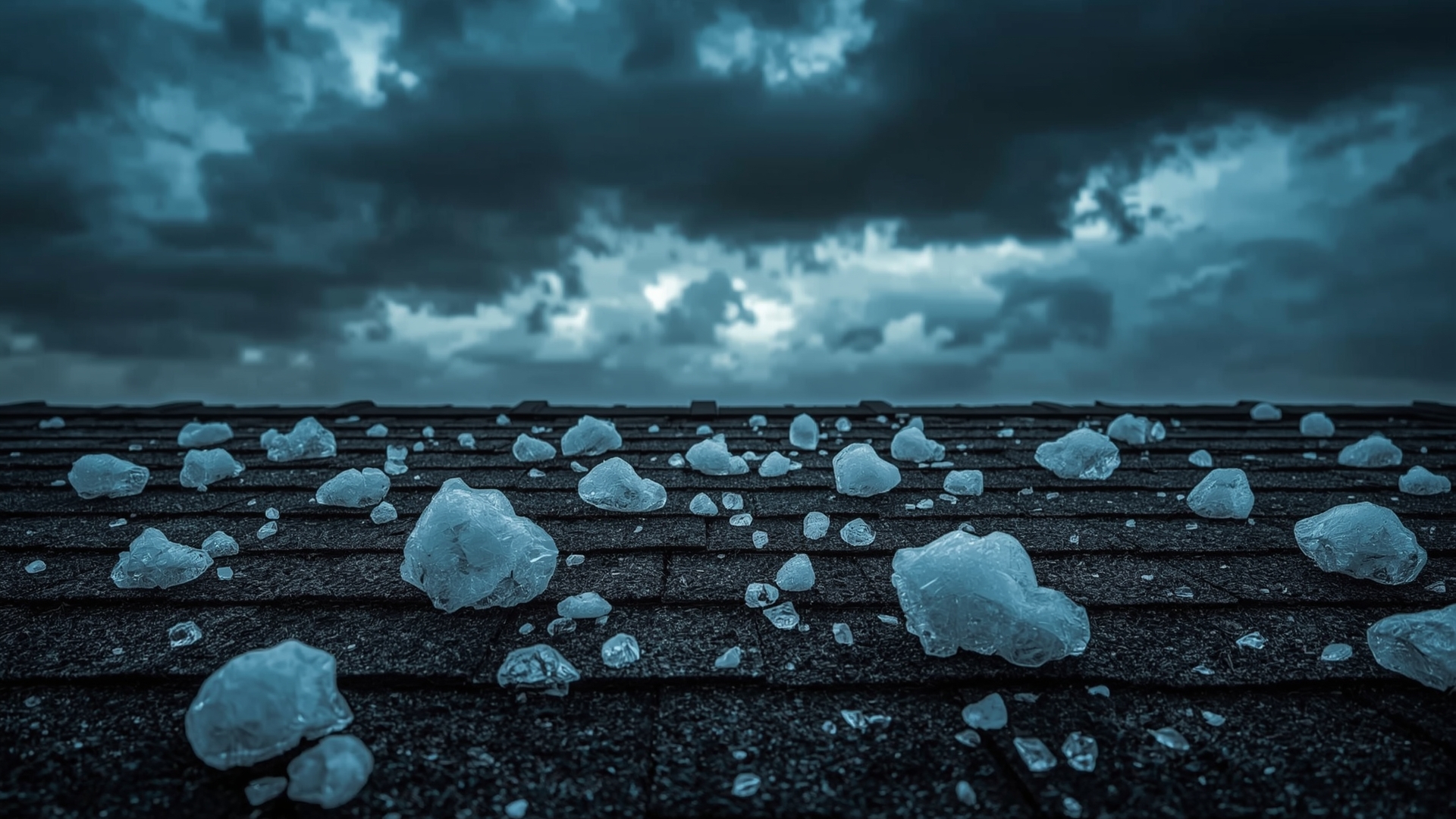
Quick Answer: SBS polymer gives the asphalt layer energy-absorbing properties. When hail strikes, the modified asphalt flexes and distributes the impact force across a wider area. Standard asphalt fractures at the point of contact, cracking the mat and breaking off granules that protect against UV damage.
Hail damage to standard asphalt shingles is a two-part problem. First, the impact cracks the asphalt coating. Second, granules break loose from the fractured surface. Those granules are the UV shield for the asphalt below. Once they’re gone, the shingle degrades much faster.
SBS shingles handle hail differently because the rubber polymer in the asphalt absorbs and disperses impact energy. Independent testing under UL 2218 measures this directly. A steel ball (simulating hail) is dropped from a set height onto the shingle surface. Class 4 is the highest rating, requiring no cracking or fracturing when hit by a 2-inch steel ball dropped from 20 feet.
Most SBS products from major manufacturers achieve Class 4. Standard architectural shingles typically achieve Class 1 or Class 2 at best.
UL 2218 Impact Resistance Rating Scale
| Class | Steel Ball Diameter | Drop Height | Hail Size Equivalent | Typical Shingle Type |
|---|---|---|---|---|
| Class 1 | 1.25 inches | 12 feet | ~0.75-inch hail | Standard 3-tab |
| Class 2 | 1.5 inches | 15 feet | ~1-inch hail | Standard architectural |
| Class 3 | 1.75 inches | 17 feet | ~1.25-inch hail | Some enhanced architectural |
| Class 4 | 2 inches | 20 feet | ~1.75-inch hail | SBS modified, rubber-modified |
Do SBS Modified Shingles Qualify for Insurance Discounts?
Quick Answer: Yes. In most hail-prone states, Class 3 and Class 4 rated shingles qualify for homeowner’s insurance premium discounts of 10–30%. The discount applies to the wind and hail portion of your policy. You must provide the UL 2218 rating certificate to your insurer to activate the discount.
The discount isn’t guaranteed everywhere. It depends on your state, your insurer, and your specific policy. Hail-heavy states like Colorado, Texas, Kansas, Nebraska, and Oklahoma tend to have the most aggressive discount programs because insurers are paying out the most hail claims in those markets.
Some states have laws that require insurers to offer discounts for Class 4 rated products. Others leave it to the insurer’s discretion. Before purchasing SBS shingles specifically for the discount, call your insurance agent and ask two questions: Does my policy offer a discount for Class 4 UL 2218 rated shingles? And what documentation do I need to submit?
The discount can offset a meaningful portion of the cost premium over standard shingles. On a $15,000 roof, a 20% annual premium reduction on a $2,000 wind and hail premium saves $400 per year. That’s roughly $4,000 over a decade, which covers much of the upgrade cost.
What Is the Cost Difference Between SBS and Standard Shingles?
Quick Answer: SBS modified shingles cost roughly 10–25% more than standard architectural shingles. Material costs run $110–$175 per square compared to $90–$120 for standard architectural. Total installed cost on a typical 2,000 sq ft roof is $1,500–$3,500 more than a standard shingle install.
The price gap has narrowed over the past decade as SBS products have become more mainstream. The premium used to be 30–40% over standard architectural shingles. Increased manufacturing scale and more competition between brands have brought that closer to 15–20% in most markets.
Factor in these three cost variables when comparing options:
- Material cost premium: $20–$55 more per square for SBS versus standard architectural
- Installation cost: Same labor rate; SBS shingles install identically to standard architectural shingles
- Insurance discount savings: $200–$600 per year in premium reduction for qualifying Class 4 products in hail-prone states
In a climate that sees regular hail or severe freeze-thaw cycles, the longer lifespan alone justifies the cost difference. A standard architectural shingle roof may need replacement in 20–25 years. An SBS-modified roof in the same climate often reaches 30–40 years with proper maintenance.
Are SBS Shingles the Same as Impact Resistant Shingles?
Quick Answer: Not exactly. SBS modification is one method used to achieve impact resistance. Some impact resistant shingles use rubber-modified asphalt through different polymer systems. The key is the UL 2218 Class 4 rating, not the specific polymer used. Most Class 4 rated shingles do use SBS modification, but verify before purchasing.
The term “impact resistant shingles” refers to the performance rating, not the construction method. A shingle earns that label by passing the UL 2218 drop test at Class 3 or Class 4. SBS modification is the most common way manufacturers achieve Class 4, but it’s not the only method.
Some manufacturers use other polymer-modified asphalt formulations or reinforced fiberglass mats to reach Class 3 or Class 4. These products may also carry the impact resistant label. The distinction matters if your insurance company specifies UL 2218 Class 4 for their discount rather than a specific product line.
Always ask for the shingle’s UL certification number when comparing products. That number lets you verify the rating directly in UL’s published database, independent of any marketing claims from the manufacturer.
How Do You Identify SBS Modified Shingles Before Buying?
Quick Answer: Check the product data sheet, not just the packaging. Look for “SBS polymer modified” or “rubber-modified asphalt” in the product specifications. Confirm the UL 2218 Class rating and the manufacturer’s published low-temperature flexibility rating. If neither is listed, the product likely uses standard oxidized asphalt.
Manufacturers don’t always make it obvious. Words like “enhanced,” “premium,” or “advanced protection” on packaging don’t confirm SBS modification. You need the technical data sheet.
Ask your roofing contractor or distributor for the product data sheet before signing a contract. That document will list the asphalt type, the impact rating, the wind rating, and the temperature performance range. If SBS modification is present, it will be stated explicitly in the materials section.
You can also search the manufacturer’s website for the product’s UL certification. Most major manufacturers list their UL 2218 certifications on the product page or in a downloadable spec sheet.
When Should You Choose SBS Modified Shingles Over Standard Options?
Quick Answer: Choose SBS shingles if you’re in USDA Hardiness Zones 3–6 (cold climates), if your area averages two or more significant hail events per year, or if your insurer offers a Class 4 discount. In mild climates with no hail history, standard architectural shingles may offer adequate performance at lower cost.
Climate is the primary decision factor. SBS shingles deliver their biggest advantage in situations where standard asphalt fails: repeated freeze-thaw cycling, large hailstones, and installation in cold weather. If your climate doesn’t include those stressors regularly, the performance gap shrinks.
Secondary factors worth considering:
- Insurance discount availability: If your insurer offers 15–30% off hail coverage for Class 4 products, SBS is almost always worth the upgrade cost
- Roof pitch: Low-slope roofs (2:12 to 4:12) in cold climates benefit more from SBS flexibility because they’re more vulnerable to ice dam formation and water pooling
- Long-term ownership plans: If you plan to own the home for 15+ years, SBS’s longer lifespan and reduced maintenance pay off more clearly
- Re-roofing timing: If you’re replacing a roof after hail damage, upgrading to SBS at that point reduces future claim frequency
EAV: SBS vs Standard Architectural Shingle Decision Matrix
| Factor | Favors Standard Architectural | Favors SBS Modified |
|---|---|---|
| Climate Zone | Zones 7–10 (mild, no freeze-thaw) | Zones 3–6 (cold, freeze-thaw cycles) |
| Annual Hail Frequency | Fewer than 1 event per year | 2 or more events per year |
| Insurance Discount Available | No Class 4 discount offered | 10–30% discount available |
| Budget Constraint | Tight budget, short ownership horizon | Long ownership plan (15+ years) |
| Roof Pitch | 6:12 or steeper in mild climates | 2:12 to 5:12 in cold or hail climates |
| Prior Damage History | No prior hail or cold-weather damage | Prior claims for hail or cracking damage |
What Installation Differences Should You Know About?
Quick Answer: SBS modified shingles install using the same nailing pattern and techniques as standard architectural shingles. The key difference is cold-weather handling. SBS shingles can be installed at 20°F versus 40°F for standard products. No special tools, adhesives, or underlayment systems are required beyond manufacturer specs.
One common installer mistake is assuming that SBS shingles need extra adhesive or a different nailing schedule. They don’t. The installation process is identical to standard architectural shingles in terms of nailing pattern, overlap, and starter strip placement.
The only meaningful installation difference is temperature tolerance. In winter roofing jobs, SBS products give crews more working days and reduce the risk of cracking shingles during handling and nailing. This is especially important in northern states where roofing season can be short.
Always follow the manufacturer’s specific installation guide for the SBS product you’re using. Each brand has slightly different specs for nailing zone placement, overlap dimensions, and seal strip activation requirements. These specs are what the warranty is tied to.
Frequently Asked Questions About SBS Modified Asphalt Shingles
What does SBS stand for in roofing?
SBS stands for Styrene-Butadiene-Styrene. It’s a synthetic rubber polymer blended into the asphalt matrix of the shingle. The polymer makes the asphalt flexible and impact resistant across a wider temperature range than standard oxidized asphalt.
How long do SBS modified shingles last?
SBS modified shingles typically last 30–40 years in cold or hail-prone climates. Standard architectural shingles in the same conditions often reach only 20–25 years. The longer lifespan comes from the polymer’s resistance to thermal cracking and impact-induced granule loss.
Can SBS shingles be installed over existing shingles?
Yes, most SBS shingles can be installed over one existing layer of shingles where local building codes allow it. The installation requirements are the same as standard architectural shingles. However, a full tear-off is still recommended to inspect the roof deck and maximize the new shingle’s lifespan.
Is APP modified asphalt the same as SBS?
No. APP (Atactic Polypropylene) is a different polymer modifier used mainly in low-slope roofing membranes, not residential shingles. APP performs better in high heat but loses flexibility in cold temperatures. SBS outperforms APP in cold climates. For pitched residential roofing, SBS is the standard polymer modification used.
Do all Class 4 impact resistant shingles use SBS modification?
Most do, but not all. Some manufacturers achieve Class 4 ratings using alternative polymer blends or enhanced fiberglass mat construction. The UL 2218 Class 4 rating confirms performance, not the specific modification method. Always verify the construction type in the product data sheet if the modification method matters to you.
Will SBS shingles hold up better against wind than standard shingles?
Yes, in two ways. First, most SBS products carry 130 mph wind ratings, matching the best standard architectural shingles. Second, SBS polymer improves seal strip adhesion, which helps shingles stay bonded in high-wind conditions. The polymer keeps the seal strip pliable at lower temperatures, so it bonds more reliably in cold-climate storms where standard seal strips can stay stiff and fail to activate.