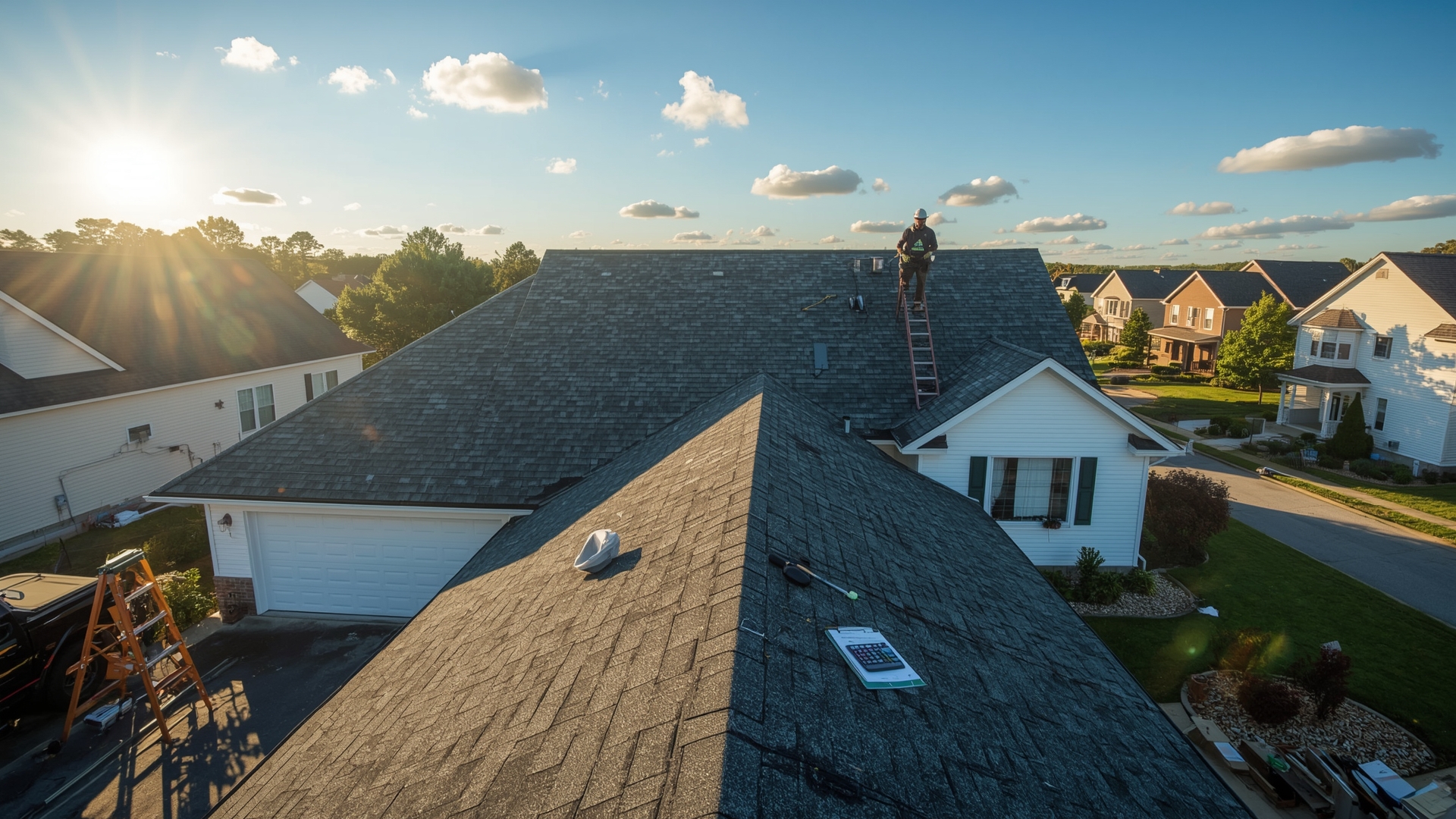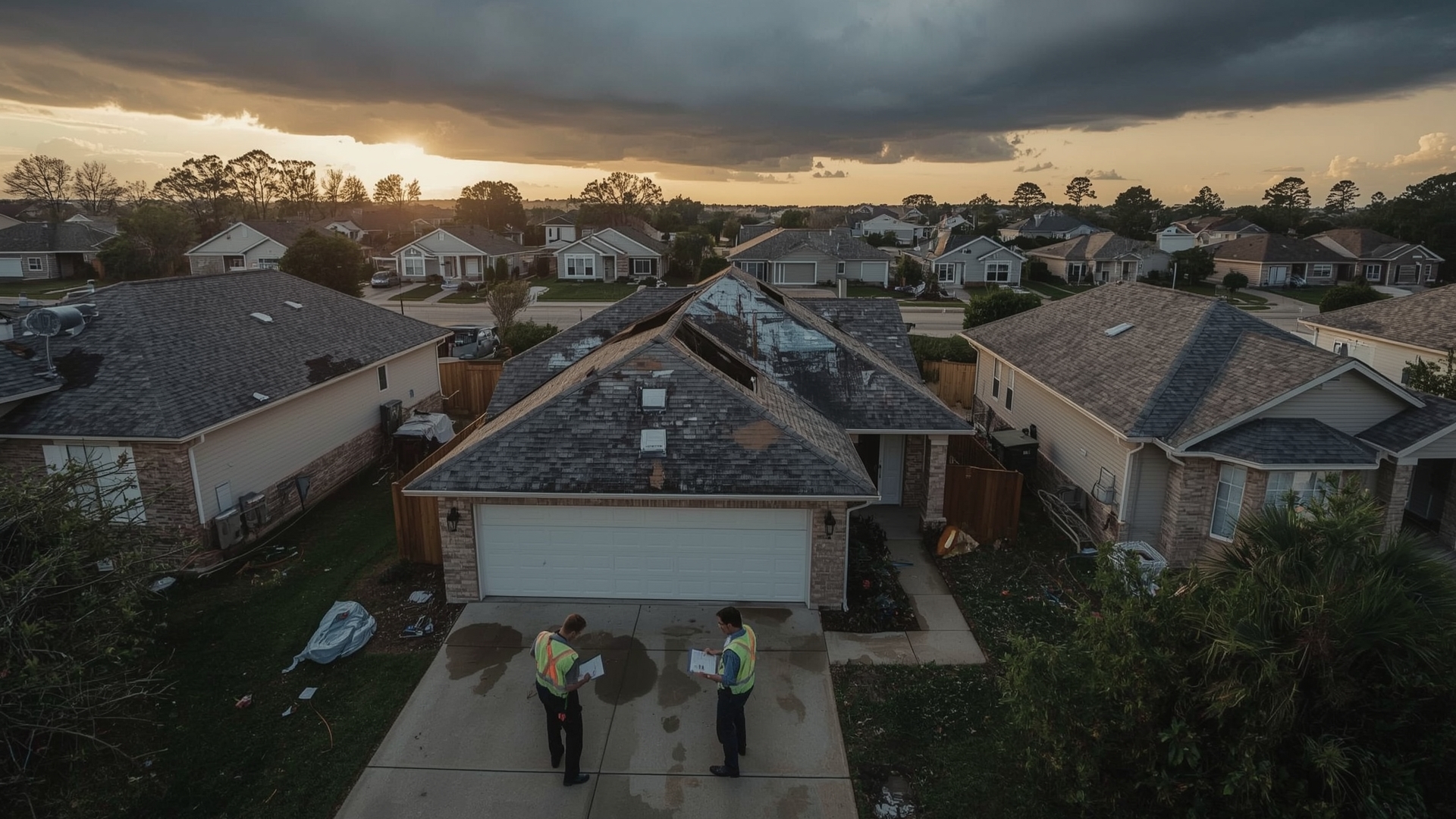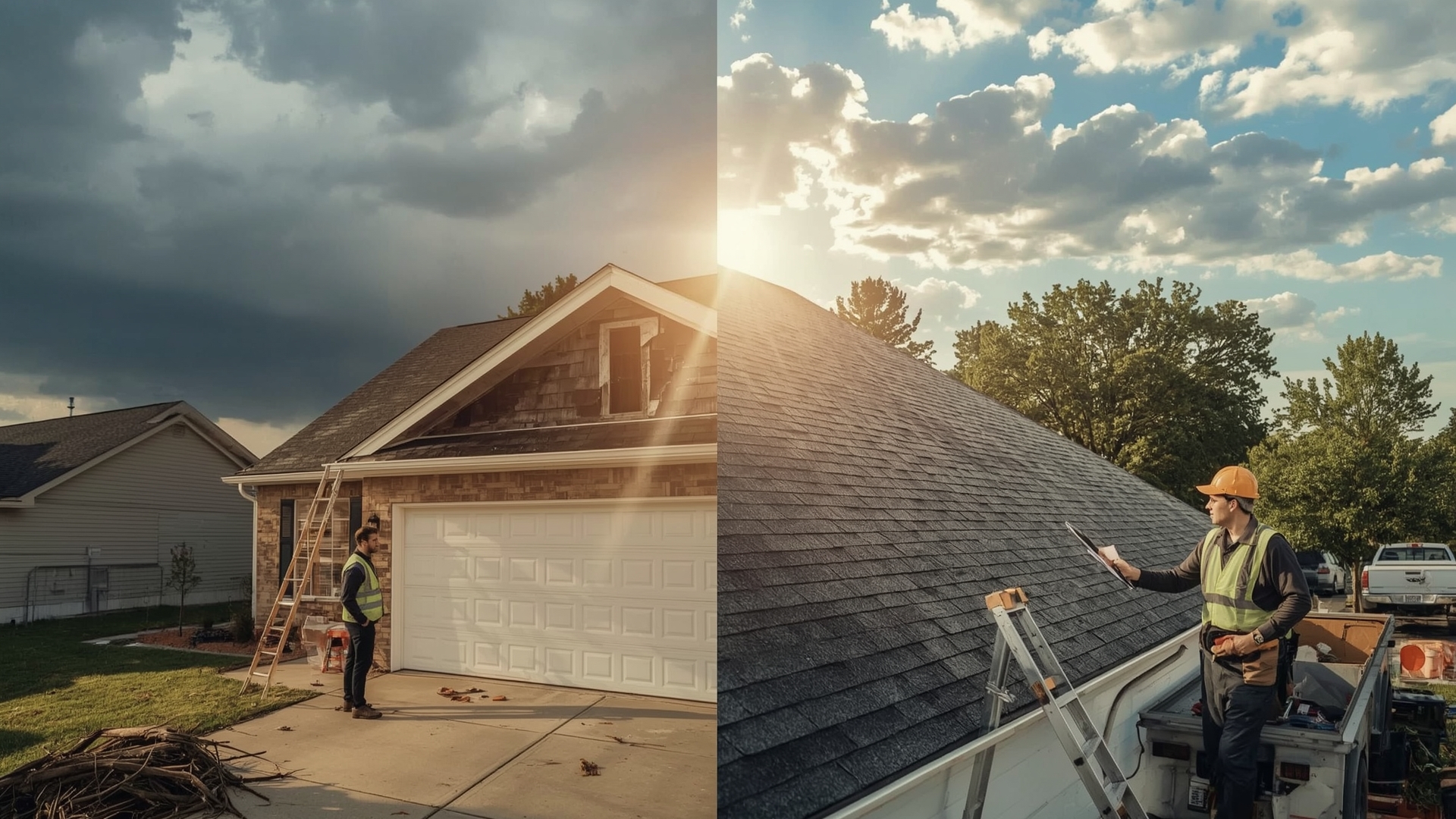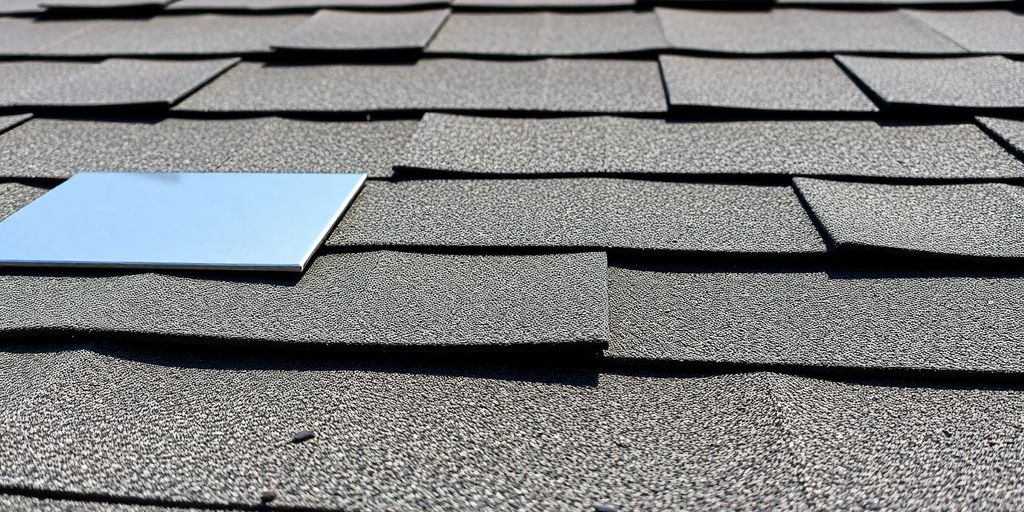
When you think about your house, you probably focus on the walls, the windows, or maybe the foundation. But what about the roof? It’s like the unsung hero of your home, quietly doing its job. It’s more than just a lid on your house; it’s a complex system that keeps you safe and comfortable. Let’s break down what roofing really is and why it matters so much.
Key Takeaways
- Roofing provides shelter from weather like rain, snow, and sun, and helps keep your home’s temperature steady.
- Roof materials vary widely, from traditional options like shingles and tiles to modern choices, each with different lifespans and looks.
- A strong roof includes structural supports, a weatherproof outer layer, and systems for managing water and air flow.
- Roof design, including its slope and shape, affects how well it handles weather and how it looks.
- Knowing the signs of roof damage and understanding when to repair or replace it is important for home maintenance.
Understanding The Core Purpose Of Roofing
When you think about a house, you probably picture the walls, the windows, maybe even the garden. But what about the roof? It’s kind of like the unsung hero of your home. It’s up there, doing its job, day in and day out, protecting everything underneath. But what exactly is it for?
Shelter From The Elements
This is the big one, right? The primary job of any roof is to keep the weather out. Think about it: rain, snow, hail, wind, and even the hot sun. Your roof is the first line of defense against all of it. Without a good roof, you’d have water damage, mold, and a generally miserable time inside your home. It’s all about keeping the inside dry and comfortable, no matter what’s happening outside. This protective barrier is key to the longevity of your home. A well-installed roof is a big part of keeping your home safe.
Maintaining Interior Comfort
Beyond just keeping water out, roofs play a huge role in how comfortable your home feels. They help with insulation, which means they help keep the heat in during the winter and out during the summer. A properly insulated roof means you’re not constantly running your heating or air conditioning, which is good for your wallet and the environment. It’s amazing how much difference a good roof makes to the overall temperature and feel of your living space.
Completing The Building’s Structure
Think of the roof as the capstone of your house. It ties everything together. The walls are standing, but the roof connects them, giving the building its final shape and structural integrity. It’s not just a cover; it’s an integral part of the building’s overall design and strength. It really finishes the whole structure, making it a complete, enclosed space ready for you to live in.
Exploring The Diverse World Of Roofing Materials
When we talk about roofing, it’s not just about what keeps the rain out; it’s also about what your house looks like from the outside. The materials used can really change the whole vibe of a building, and they all have their own pros and cons. It’s a pretty big decision, and there’s a lot to consider beyond just the price tag.
Traditional Choices
For ages, people have been using materials that are readily available. Think about clay tiles; they’ve been around for centuries and give a really classic look, especially in certain regions. Then there are wood shakes and shingles, which offer a more rustic feel. These natural materials have stood the test of time, but they often require more upkeep. Slate is another old-school favorite, known for its incredible longevity and elegant appearance, though it can be quite heavy and costly. You can find out more about different roofing materials at The Spruce.
Modern Innovations
Nowadays, we’ve got a ton of new options. Metal roofing, like steel or aluminum, is super popular because it’s durable and can last a long time. It comes in lots of styles, too, not just the corrugated look. Then there are composite shingles, often made from recycled materials, which are a good balance of cost and performance. We’re also seeing more synthetic materials and even things like rubber membranes for certain types of roofs. These newer materials often focus on energy efficiency and lower maintenance.
Material Durability Considerations
When you’re picking out roofing, durability is a big one. Nobody wants to replace their roof every few years. Here’s a quick look at how some common materials stack up:
- Asphalt Shingles: Typically last 15-30 years, depending on quality.
- Metal Roofing: Can last 40-70 years or even more.
- Slate: Known to last 75-150 years, sometimes much longer.
- Wood Shakes/Shingles: Usually 20-40 years, but can vary a lot with maintenance.
The lifespan of your roof isn’t just about the material itself. How it’s installed, the climate it’s exposed to, and how well it’s maintained all play a huge role in how long it will actually last. It’s a complex system, and each part matters.
The Essential Components Of A Well-Built Roof
A roof is more than just the shingles you see from the street. It’s a complex system, and understanding its parts helps you appreciate why certain things are done during installation or repair. Think of it like building a sturdy table – you need a solid base, a smooth top, and a way for water to run off if it rains. A good roof works the same way.
Structural Foundations
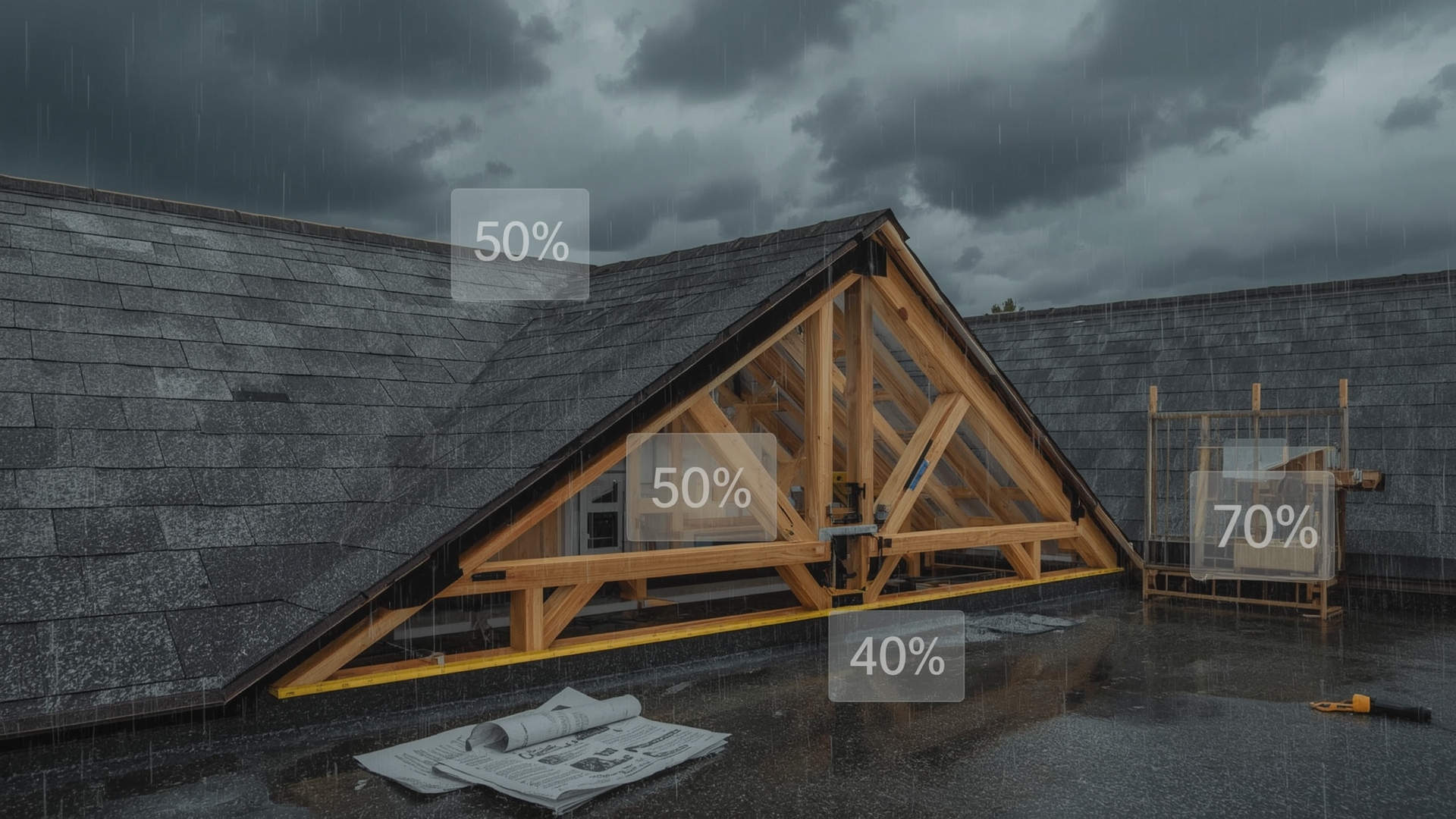
This is the skeleton of your roof. It’s what gives the roof its shape and strength to hold up against weather and its own weight. The main players here are the rafters or trusses. These are like the beams that run from one side of the house to the other, creating the slope. They’re usually made of wood, but sometimes steel is used, especially in bigger buildings. On top of these supports, you’ll find the roof decking, often plywood. This is what the rest of the roofing materials get attached to. Sometimes, especially in windy areas, collar beams are added to connect the rafters and make the whole structure even more stable. It’s all about creating a solid base that can handle whatever nature throws at it. The rafters form the skeletal system of a roof, acting as support beams that extend from one end to the other, defining the roof’s shape.
Weatherproof Exterior Layers
This is the part most people think of when they picture a roof. It’s the outer shell that directly faces the elements. It starts with the underlayment, which is a water-repellent barrier laid over the decking. It’s a critical second line of defense against moisture. Then comes the actual roof covering – shingles are super common, made from asphalt or composite materials. But you also have metal roofing, wood shakes, or tiles. Each has its own look and durability. Don’t forget flashing, especially around things like chimneys or vents. This thin metal piece stops water from sneaking into those tricky spots. And at the very edge, you’ll find drip edge flashing, which guides water away from the roof deck and into the gutters, preventing rot.
Drainage and Ventilation Systems
Keeping water off and out is a huge job for a roof. The drainage system is key here. Gutters collect rainwater and direct it through downspouts, away from your home’s foundation. Without them, you could end up with water pooling around your house, which is never good. Ventilation is also super important. Vents, whether they’re powered by fans or just rely on natural airflow, help move air through the attic. This gets rid of hot, moist air, which can prevent mold growth and help regulate the temperature inside your home. It’s all about managing moisture and air to keep the whole system working right and prolonging the life of your roof.
Roof Design And Its Impact
When we talk about roofs, it’s not just about keeping the rain out. The way a roof is designed plays a huge role in how a building looks and how well it performs. Think about it – the shape, the angle, even the materials all contribute to the overall picture.
The Significance Of Roof Pitch
The pitch, or angle, of a roof is pretty important. It’s not just about looks; it directly affects how well your roof handles weather. In areas with a lot of rain or snow, a steeper pitch helps water and snow slide off easily, preventing buildup and potential damage. On the other hand, in drier climates, a lower pitch or even a flat roof might be perfectly fine. The choice of roofing material also plays a part here; some materials work better with certain pitches. For instance, materials like asphalt shingles are common on moderately pitched roofs, while metal roofing can be used on lower slopes. Getting the pitch right is key to making sure your roof does its job effectively and lasts a long time. It’s a big part of protecting your home from the elements [f9ee].
Common Roof Shapes
Roofs come in all sorts of shapes, and each has its own style and function. You’ve got your classic Gable roof, which is like an upside-down V and is super common. Then there’s the Hip roof, which slopes on all four sides, giving it a more solid look. Mansard roofs have two slopes on each side, the lower one being much steeper. And let’s not forget the Flat roof, which isn’t actually flat but has a very slight slope for drainage. Each shape has its own advantages when it comes to shedding water, handling wind, and of course, how the building looks from the outside.
Aesthetic And Practical Design Choices
Beyond the basic shape and pitch, there are other design choices that matter. The materials you pick, like shingles, tiles, or metal, not only affect durability but also the overall style. Color choices can make a big difference too, influencing how the house feels and even how hot it gets inside. Think about overhangs – they can add a nice visual touch and also help protect the walls from rain. It’s all about balancing how you want your house to look with what it needs to withstand the local climate. Sometimes, a design that looks great might need extra attention to make sure it performs well, especially when it comes to things like drainage and insulation.
| Roof Shape | Typical Pitch Range | Common Materials |
|---|---|---|
| Gable | 4:12 to 12:12 | Shingles, Metal, Tile |
| Hip | 3:12 to 6:12 | Shingles, Tile, Metal |
| Flat | 1/4:12 to 1/2:12 | Membrane, Built-up Roofing |
| Mansard | 4:12 (lower slope), 10:12 (upper slope) | Shingles, Slate, Metal |
When Roofing Needs Attention
Your roof works hard to keep you safe and comfortable, but like anything, it can start to show its age or get damaged. Knowing when it’s time to call in the pros is super important. Ignoring small issues can lead to much bigger, more expensive problems down the line, like water damage inside your house or even structural issues.
Common Signs Of Roof Damage
So, what should you be looking out for? Keep an eye out for these common culprits:
- Shingle trouble: Cracked, curled, or missing shingles are a big red flag. You might also find little bits of shingle material in your gutters – that’s a sign they’re breaking down.
- Flashing failures: The metal bits around chimneys, vents, or skylights are called flashing. If it’s damaged, bent, or looks like it’s pulling away, water can sneak in.
- Sagging or soft spots: If you notice any part of your roof looks like it’s dipping or bowing, that’s a serious sign of underlying structural problems, possibly from water damage.
- Granule loss: Seeing a lot of shingle granules in your gutters or at the base of your downspouts means your shingles are wearing out.
- Interior leaks: Water stains on your ceiling or walls are a pretty clear indicator that something’s not right up on the roof.
Deciding Between Repair And Replacement
Once you spot a problem, the next big question is whether you need a simple fix or a whole new roof. It really depends on a few things:
- Age of the roof: If your roof is already pretty old, even a small problem might mean it’s time for a replacement. You don’t want to put a patch on something that’s about to give up.
- Extent of the damage: Is it just a few shingles, or is there widespread damage, maybe even to the underlying structure? A small, localized issue is usually repairable.
- Frequency of issues: If you’re constantly having to fix the same part of the roof, it might be more cost-effective in the long run to just replace the whole thing.
Sometimes, what looks like a minor issue, like moss growth, can actually be a sign of retained moisture. It’s always best to get a professional opinion to figure out the real cause and the best course of action.
The Lifespan Of Your Roof
How long a roof lasts really varies. Things like the materials used, the climate you live in, and how well you maintain it all play a part. Generally, you can expect a roof to last anywhere from 20 to 50 years or even more. Keeping up with regular inspections can help you catch problems early and get the most out of your roofing investment.
The Role Of A Professional Roofer
Understanding Complex Roof Systems
So, you’ve got a roof over your head, but do you really know what makes it tick? It’s more than just shingles! A professional roofer understands all the different parts that work together. Think of it like a car – you need to know about the engine, the transmission, and all the little bits to keep it running smoothly. Roofs have structural supports, like rafters or trusses, that give them shape and strength. Then there’s the underlayment, the weatherproofing layers, and the actual covering like shingles or metal. Each piece has a job, and if one part isn’t right, the whole system can suffer. A good roofer knows how these components interact to keep your home safe and dry. They also understand how things like ventilation affect your home’s temperature and prevent moisture buildup, which can lead to mold. It’s a whole system, not just a single layer.
Communicating With Clients
This is where the human side of roofing really comes in. Your roofer isn’t just a builder; they’re also your guide. They need to explain what’s going on with your roof in a way that makes sense, even if you don’t know a rafter from a ridge cap. Sometimes, a client might see moss on their roof and think it needs a full replacement, but a pro knows to inspect it closer for water retention issues. They’ll explain why certain repairs, like adding extra flashing in a roof valley, are important, even if they seem like small details. Being able to clearly explain the problem, the proposed solution, and why it’s necessary is key. It helps you make informed decisions and feel confident about the work being done.
Ensuring Overall Roof Integrity
Ultimately, a professional roofer’s main goal is to make sure your roof does its job – protecting your home. This means looking at the big picture. They’re not just slapping on new shingles; they’re checking the structural integrity, making sure the drainage systems are working, and that the ventilation is adequate. They consider the lifespan of different materials and how the roof’s pitch affects its performance. For example, a roof that’s not properly ventilated can lead to moisture problems in your attic, which can cause damage over time. A roofer’s job is to catch these issues before they become major problems, saving you money and headaches down the road. They’re the ones who make sure your roof can handle whatever the weather throws at it for years to come.
So, What’s the Takeaway?
Alright, so we’ve covered a lot of ground, from what a roof actually is to all its different bits and pieces. It’s pretty clear that a roof is way more than just the top layer of your house. It’s a whole system designed to keep you safe and sound from whatever the weather throws at you. Whether it’s the shingles, the flashing, or even the vents, each part plays its own role. Next time you look up at your house, you’ll know there’s a lot more going on up there than meets the eye. It’s a pretty important part of your home, for sure.
Frequently Asked Questions
What is a roof in simple terms?
A roof is basically the top cover of a building. Its main job is to shield everything inside from things like rain, snow, sun, and wind. Think of it as the building’s protective hat!
What are the main jobs of a roof?
Roofs keep you dry and safe from bad weather. They also help keep the temperature inside just right, making it cooler in summer and warmer in winter. Plus, they give a building its final shape and keep it strong.
How long do roofs usually last?
Roofs can last anywhere from 20 to 80 years or even more! It really depends on what materials are used and how well the roof was put together and taken care of.
What are some signs that my roof might be damaged?
Watch out for signs like parts of the roof sagging, shingles that are cracked or missing, or any damage to the metal strips (called flashing) around chimneys or vents. Leaks are also a big clue!
Should I fix my roof or get a whole new one?
If your roof is really old and has major damage, or if it needs fixing often, it might be time to replace it. But if it’s younger and the main structure is still good, a repair might be enough. It’s a bit like deciding if you need a new bike or just a tune-up.
Is there a ‘best’ type of roof to have?
There isn’t one single ‘best’ type of roof. Different kinds, like those made of asphalt shingles or metal, have their own good and bad points. The best choice for you depends on your budget, the weather in your area, and what you like the look of.