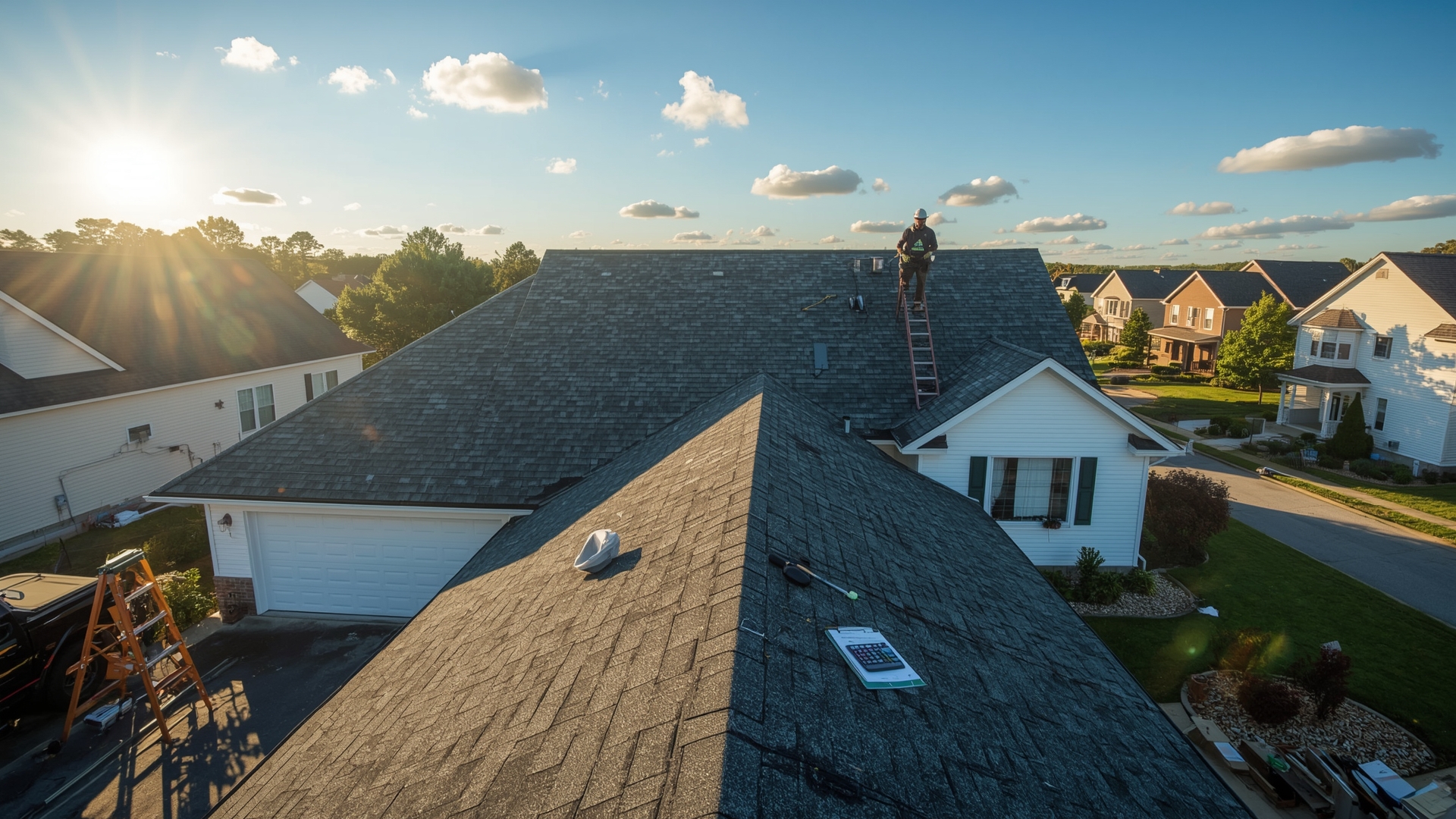
Thinking about giving your roof a fresh look or kicking off a small construction project? Roll roofing could be the secret weapon you’re looking for. It’s budget-friendly and very easy to handle, which makes it a fantastic choice that usually gets ignored. While it might not be the first thing that comes to mind, rolled roof is a solid choice. Why? Because it’s designed with simplicity and flexibility in mind, it’s perfect for smaller builds or adding that sleek finish to homes with a gentle slope. So, why should rolled roof be at the top of your list for your upcoming project? Let’s talk about what makes rolled roof so useful and how you can make the most of it for your project. This little guide might just flip the way you think about roofing solutions.
Key Takeaways
- Rolled roofing is a budget-friendly material great for low-slope or flat roofs.
- It’s known for its simple installation process, saving time and labor costs.
- Common uses include sheds, garages, and small commercial buildings.
- While affordable and easy to use, it has a shorter lifespan and limited aesthetic options compared to other materials.
- Proper installation and regular maintenance are key to maximizing its performance and longevity.
Understanding The Basics Of Roll Roofing
So, you’re curious about roll roofing? It’s a pretty straightforward material that’s become a go-to for a lot of folks, especially when you’re dealing with roofs that aren’t super steep. Think of it like a big, flexible sheet of roofing material that comes all rolled up, ready to be unfurled onto your roof.
What Exactly Is Roll Roofing?
Basically, roll roofing is a type of roofing material that comes in large rolls, usually made from asphalt with a mineral surface. It’s a lot like traditional asphalt shingles, but instead of individual pieces, you get a continuous sheet. This makes it easier to cover larger areas, especially those low-slope or flat roofs that can be tricky with other materials. It’s a practical choice for many projects because it’s designed for simplicity.
A Budget-Friendly Roofing Solution
One of the biggest draws to roll roofing is its price tag. It’s generally much cheaper than other roofing options out there, like asphalt shingles, metal roofing, or tiles. This makes it a really attractive choice if you’re working with a limited budget or just want to keep costs down on a smaller project, like a shed or a garage. You can often get a lot of coverage for not a lot of money.
Simplicity and Flexibility in Design
Beyond the cost, roll roofing is also known for being pretty easy to work with. Because it comes in rolls and is more flexible than rigid shingles, it can bend and conform to the shape of your roof more easily. This flexibility is a big plus, especially on roofs with gentle slopes or curves. It’s a material that doesn’t require a lot of complicated cuts or special tools, which can speed up the installation process considerably. You can find out more about proper installation techniques.
When you’re choosing a roofing material, it’s always a good idea to think about the specific needs of your project. Roll roofing offers a good balance of cost and ease of use, making it a solid option for many homeowners and builders.
Where You’ll Find Roll Roofing
So, where does roll roofing typically show up? You’ll often see it on structures that don’t have a steep pitch, meaning roofs that are pretty much flat or have a gentle slope. It’s a go-to for a lot of smaller projects because it’s straightforward to put on and doesn’t cost a fortune.
Ideal For Low-Slope Structures
Roll roofing really shines on roofs that are nearly flat or have a very slight angle. Think of it as the perfect fit for buildings where water can’t easily run off. Because it comes in large sheets, it creates a continuous waterproof barrier, which is exactly what these types of roofs need to stay dry and protected. It’s designed to handle that kind of situation without a fuss.
Common Applications for Roll Roofing
When you’re out and about, keep an eye out for roll roofing on:
- Sheds and outbuildings
- Garages and workshops
- Small additions to homes
- Porch roofs
- Carports
It’s a practical choice for anything that doesn’t require a heavy-duty, long-term roofing system but still needs solid protection from the elements. It’s all about getting the job done without breaking the bank.
Residential and Commercial Uses
While you might picture roll roofing on a backyard shed, it’s not just for homes. You’ll also find it on commercial buildings, especially those with low-slope roofs. It’s a budget-friendly option for businesses that need to cover a lot of roof area without a huge expense. It’s a simple, effective way to keep things dry, whether it’s a small business or a larger commercial space with a flatter roof design. It’s a versatile material that serves many purposes.
Exploring Different Types Of Roll Roofing
When you’re looking at roll roofing, it’s not just one thing. There are a few different kinds out there, and they each have their own little quirks and benefits. Knowing these can really help you pick the right one for your project.
Asphalt Roll Roofing Explained
This is probably the most common type you’ll run into. Think of it like the standard asphalt shingles you see everywhere, but instead of individual pieces, it comes in a big roll. It’s made from asphalt, just like shingles, but it’s usually thinner and more flexible. It’s a really budget-friendly option, which is why a lot of people go for it, especially for smaller jobs like sheds or garages. It’s pretty easy to work with, too. You’ll find it comes in a few different colors, though your choices might be a bit more limited compared to other roofing materials. It’s best suited for roofs that have a bit of a slope, not completely flat ones.
Mineral-Surfaced Roll Roofing
This type is pretty similar to the asphalt roll roofing we just talked about, but with one key difference: it has a layer of mineral granules on the surface. You know how asphalt shingles have those little colored bits embedded in them? It’s like that. These granules do a couple of good things. For starters, they give the roof a bit more protection from the sun’s rays, which can help it last longer. They also give it a nicer look, kind of like traditional shingles, and can offer a bit more grip. It’s still relatively easy to install and is a good choice if you want something a step up from plain asphalt without breaking the bank. It’s a solid choice for many low-slope applications.
Modified Bitumen Roll Roofing Options
Now, modified bitumen is where things get a bit more heavy-duty. This stuff is basically asphalt that’s been mixed with special polymers to make it stronger and more flexible. It’s often used on larger commercial buildings or homes with very low-sloped or flat roofs. It’s known for being really durable and can last quite a long time, often 20 years or more if it’s installed correctly. It’s also really good at handling temperature changes, so it doesn’t get too brittle in the cold or too soft in the heat. Some types even have special coatings that reflect sunlight, which can help keep your building cooler. While it might cost a bit more upfront than basic asphalt roll roofing, its longevity and performance can make it a worthwhile investment. You can find it in different styles, and it’s generally considered a more robust option for demanding roof situations. If you’re looking for something tough and long-lasting, modified bitumen is definitely worth a look for your next roofing project.
The Advantages Of Choosing Roll Roofing
Thinking about giving your place a new roof and wondering if roll roofing is the favorite? Well, you’re in luck because this thing is easy on the wallet and very easy to put up, especially if you have a building with a low-slope or flat roof. It’s fantastic for saving dollars both upfront and when you’re getting it all setup. When I was fixing up my workshop, roll roofing was a huge help. It goes on quickly and easily.
Cost-Effectiveness For Your Project
Roll roofing is significantly cheaper than other roofing materials like shingles, metal, or tiles. This makes it an attractive option for those on a tight budget. Plus, the installation process is straightforward and can often be done by a homeowner, further reducing labor costs. It’s a smart move if you’re trying to keep expenses down without sacrificing basic protection.
Ease Of Installation
Laying down roll roofing is not necessarily rocket science. You start with a clean roof to make sure everything sticks where it should. Then comes a bit of roofing cement to glue everything down snugly. It’s important to get that base sheet down flat to avoid any future headaches. Depending on what you’re working with, you might use nails or an adhesive to keep everything in place. Making sure those edges are locked down tight is really important to keep the water out. If you’re the type who likes to get your hands dirty with projects, you’ll find it’s pretty simple to work with.
Lightweight Material Benefits
Roll roofing is lightweight, so it doesn’t add much stress to the underlying structure. This makes it suitable for older buildings or structures that may not support heavier materials. Picture this: one roll knocks out about 100 square feet and only weighs around 75 pounds. That makes it way easier to handle than those large traditional asphalt shingles.
Considering The Downsides Of Roll Roofing
Lifespan and Durability Concerns
While roll roofing is a budget-friendly option, it’s important to be realistic about its lifespan. Compared to other roofing materials like asphalt shingles or metal, roll roofing generally doesn’t last as long. You might find yourself needing to replace it sooner, typically within a 5 to 8-year timeframe, though some sources suggest up to 10 to 20 years with good care. It’s also a bit more susceptible to damage from harsh weather, like strong winds or hail, so if you live in an area with extreme weather, this might be a concern. It’s not the toughest kid on the block, so to speak.
Weather Resistance Limitations
Roll roofing can handle a decent amount of weather, but it has its limits. It’s best suited for low-slope or flat roofs, and it’s not the best choice for steeply pitched roofs where water runs off quickly. The seams where the rolls meet can sometimes be a weak spot for water to sneak in if not sealed perfectly. While it offers protection, it might not be as waterproof as some other materials over the long haul, and you’ll want to keep an eye out for any signs of wear or potential leaks.
Aesthetic Choices For Your Home
When it comes to looks, roll roofing is pretty straightforward. It doesn’t offer the wide variety of colors and styles that you might find with other roofing options. If you’re aiming for a specific look for your home, especially if curb appeal is a big deal, roll roofing might feel a bit limiting. It’s often seen on sheds, garages, or other utility buildings where appearance isn’t the top priority. However, picking a neutral color can still help it blend in reasonably well, and you can always look into mineral-surfaced options for a bit more texture.
Installing Your Roll Roofing Project
So, you’ve decided roll roofing is the way to go for your project. Awesome! Now comes the part where we actually get it on the roof. It might seem a bit daunting, but honestly, it’s pretty straightforward if you take it step-by-step. The key is preparation and attention to detail.
Preparing Your Roof Surface
Before you even think about unrolling that material, you’ve got to get the roof ready. This means clearing off everything that’s currently on there. We’re talking old shingles, nails, dirt, leaves – the whole nine yards. You want a clean, smooth surface for the new roofing to adhere to properly. Think of it like prepping a canvas before you paint. If the surface isn’t clean, you’re going to have problems down the line, like bubbles or poor adhesion. It’s really important to remove all old materials; never install new roll roofing over existing layers. This is a good time to check the underlying decking for any damage or rot and make any necessary repairs. A solid foundation is everything!
Applying Roofing Cement Correctly
Roofing cement is your best friend when it comes to sealing things up and making sure your roll roofing stays put and waterproof. You don’t need a ton of it, just a nice, even layer. Too much and it gets messy and might not cure right; too little and you’ll have gaps. You’ll typically apply this along the edges and seams where the rolls meet, and sometimes as an adhesive base depending on the manufacturer’s instructions. It acts like a super-strong glue, creating that vital waterproof barrier.
Securing The Roll Roofing Material
Once your surface is prepped and you’ve got your cement ready, it’s time to roll! Lay down the first sheet, making sure it’s straight and without any wrinkles or bubbles. You’ll usually secure the edges with nails or an adhesive, following the specific guidelines from the manufacturer. Overlap the seams according to the instructions, and use that roofing cement to seal them up tight. Pay extra attention to vents, edges, and any other roof penetrations – these are common spots for leaks, so sealing them well is super important. Getting these details right will make a big difference in how long your new roof lasts.
Maintaining Your Roll Roofing
Keeping your roll roofing in good shape is pretty important if you want it to last. It’s not exactly a set-it-and-forget-it kind of deal, you know? Think of it like taking care of a car – a little regular attention goes a long way.
Regular Inspections For Longevity
So, how often should you be checking on your roof? A good rule of thumb is to give it a good look-over at least twice a year. Spring and fall are usually good times for this. You’re looking for anything that seems off – maybe some loose granules, small cracks, or areas where the sealant might be drying out. Catching small issues early can save you a ton of hassle and money down the road. It’s way easier to fix a tiny crack than deal with a leak that’s been going on for months. You can find some helpful tips on what to look for on roof inspections.
Addressing Issues Promptly
If you do spot something, don’t just let it sit there. If you see a small tear, a bit of loose material, or a spot where the sealant looks like it’s giving up the ghost, get it fixed. Usually, a bit of roofing cement and maybe a patch can do the trick for minor things. For anything bigger, or if you’re not comfortable doing it yourself, it’s probably best to call in a professional. They have the right tools and know-how to make sure it’s done right, keeping your roof protected.
Keeping Your Roof Clear Of Debris
Leaves, twigs, branches – they all love to hang out on roofs, especially after a storm. While they might not seem like a big deal, they can actually cause problems. They trap moisture against the roofing material, which can lead to rot or mold over time. Plus, they can clog up your gutters, causing water to back up and potentially damage your roof or the sides of your house. So, after windy days or big storms, it’s a good idea to get up there (safely, of course!) and clear away any accumulated gunk. Make sure your gutters are clear too, so water can flow away properly.
So, Is Roll Roofing Right for You?
Alright, so we’ve talked a lot about roll roofing. It’s pretty neat for certain jobs, especially if you’re on a tighter budget or have a roof that’s not super steep. It’s definitely easier to put on than those heavy shingles, which can save you some time and maybe even some cash on labor. Just remember, it’s not really built for the long haul like some other materials, and it might not look as fancy. But for a shed, a workshop, or a small addition where you just need something solid and waterproof without breaking the bank, roll roofing can totally get the job done. Always think about your specific roof and what you need it to do before you decide, though!
Frequently Asked Questions
What exactly is rolled roofing?
Rolled roofing is a roofing material that comes in big rolls, kind of like a giant carpet for your roof. It’s usually made from asphalt and is great for roofs that aren’t very steep, like on sheds, garages, or some commercial buildings. It’s a simple and cheap way to cover a roof and keep water out.
Why is rolled roofing considered budget-friendly?
Rolled roofing is a good choice if you’re trying to save money. It’s one of the cheapest roofing materials you can buy. Plus, because it comes in big rolls and is easier to put on than individual shingles, the cost of putting it on is usually lower too. It’s a great option for small projects or when you have a tight budget.
Where is rolled roofing most commonly used?
You’ll often see rolled roofing on structures like sheds, garages, carports, and sometimes on small homes or commercial buildings with low-sloping roofs. It’s not typically used for steep roofs because it works best when water can run off slowly.
Is rolled roofing easy to install?
Rolled roofing is generally easier and faster to install than traditional shingles. It comes in large sheets, which means fewer seams to worry about. This makes it a good choice if you’re doing the work yourself or want the job done quickly.
What are the main pros and cons of rolled roofing?
Rolled roofing is usually less expensive than other roofing materials like asphalt shingles, metal, or tiles. It’s also lighter, so you might not need extra support for your roof structure. However, it generally doesn’t last as long as other options, often needing replacement sooner, and it might not look as fancy.
How do I maintain rolled roofing to make it last longer?
To keep your rolled roofing in good shape, you should check it regularly for any damage, like cracks or loose spots. It’s important to fix any problems right away to stop leaks. Also, make sure to keep the roof clear of leaves, branches, and other debris that can trap moisture and cause damage.