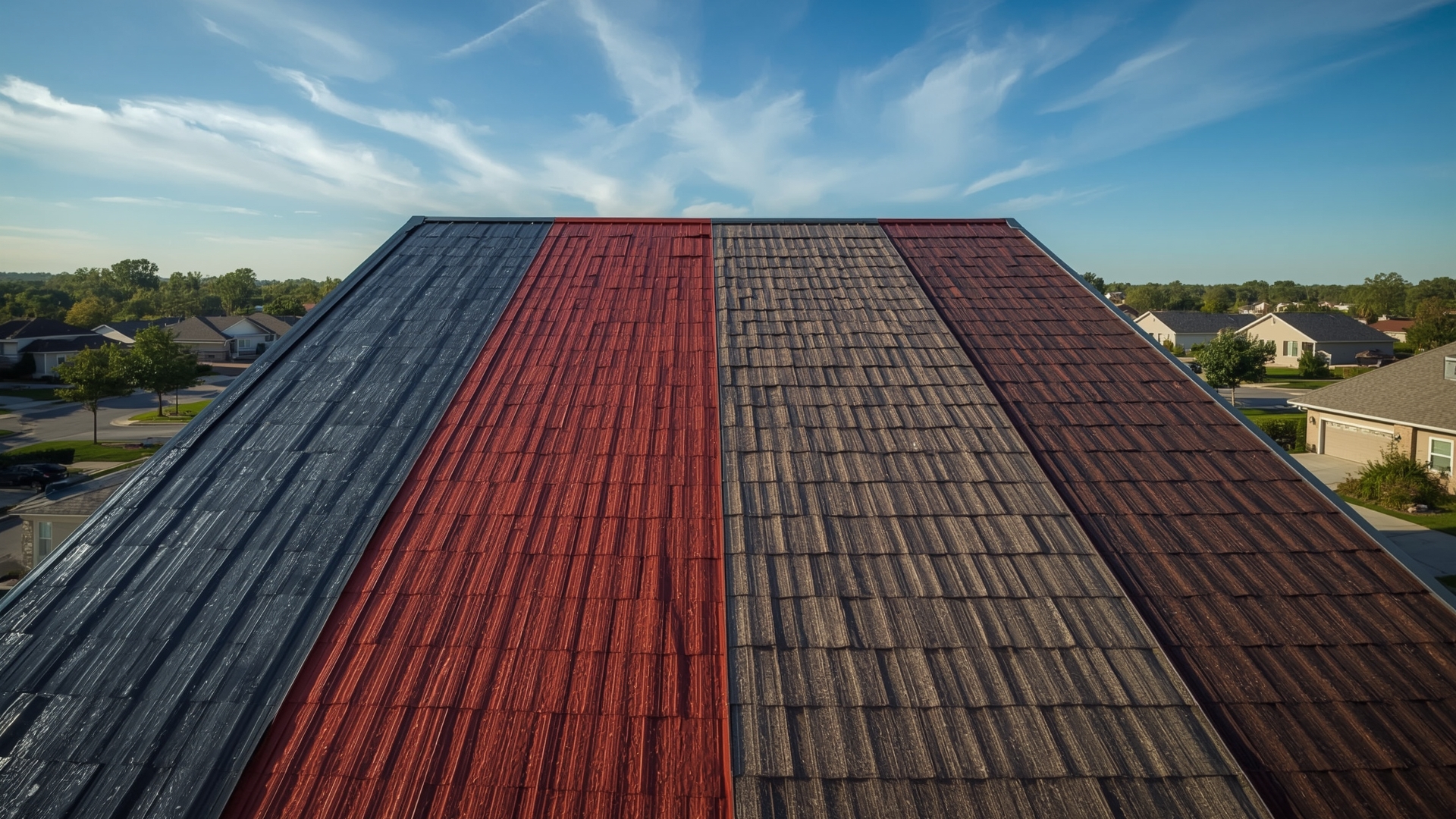
Metal roofing is no longer just for barns and commercial buildings. Homeowners are choosing it because it lasts 40 to 70 years, handles extreme weather, and cuts energy bills. But “metal roofing” isn’t one thing. There are four distinct types, and each one works differently depending on your budget, climate, and home style.
This guide compares standing seam, corrugated metal panels, metal shingles, and stone-coated steel side by side. By the end, you’ll know exactly which type fits your home and why.
Key Takeaways
- Standing seam is the most durable and weather-tight option, best for high-rain or snow-heavy climates.
- Corrugated metal panels are the most affordable type, commonly used on agricultural buildings and budget-conscious projects.
- Metal shingles mimic the look of asphalt, wood, or slate while delivering metal-level durability.
- Stone-coated steel offers the best visual appearance and noise reduction among metal roofing types.
- Material cost ranges from $3 to $18 per square foot installed, depending on the type and metal used.
- All four types outlast asphalt shingles by decades and carry Class A fire ratings in most configurations.
What Are the Main Types of Metal Roofing for Houses?

Quick Answer: The four main types of metal roofing for houses are standing seam panels, corrugated metal panels, metal shingles, and stone-coated steel. Each differs in cost, installation method, appearance, and how well it handles specific weather conditions.
Metal roofing is a category, not a single product. The four types share the same base materials — steel, aluminum, copper, or zinc — but they’re manufactured differently and installed differently. Choosing the wrong type for your climate or roof pitch can cause leaks, noise problems, or premature wear.
Here’s a high-level look at how the four types compare before we go deeper into each one.
Metal Roofing Types at a Glance
| Type | Installed Cost (per sq ft) | Lifespan | Best Roof Pitch | Appearance |
|---|---|---|---|---|
| Standing Seam | $8–$18 | 40–70 years | 3:12 and above | Clean vertical lines |
| Corrugated Panels | $3–$8 | 25–40 years | 3:12 and above | Rippled wave pattern |
| Metal Shingles | $7–$14 | 40–60 years | 3:12 and above | Mimics asphalt, slate, or wood |
| Stone-Coated Steel | $9–$16 | 40–70 years | 3:12 and above | Textured tile or shingle look |
What Is Standing Seam Metal Roofing and How Does It Work?
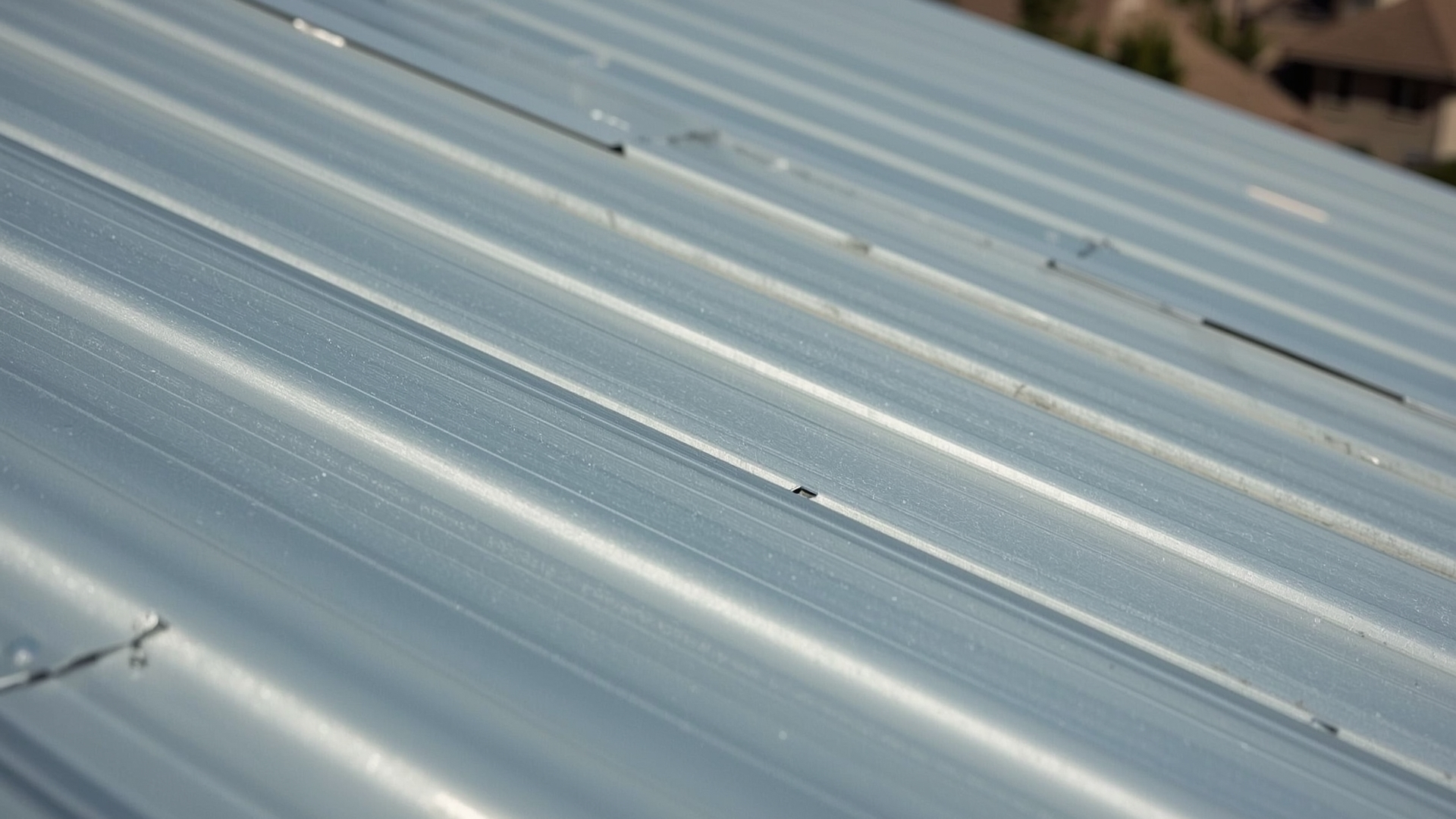
Quick Answer: Standing seam metal roofing uses raised vertical seams to connect panels. Fasteners are hidden beneath the seams, which prevents leaks and allows the metal to expand and contract freely. It’s the most weatherproof metal roofing option available for residential use.
Standing seam gets its name from the raised seams that run vertically down the roof. These seams clip panels together, keeping all fasteners hidden from rain and UV exposure. That’s the key reason it’s the most leak-resistant metal roof system you can buy.
The panels themselves are typically made from Galvalume steel (steel coated with aluminum and zinc), aluminum, copper, or zinc. Galvalume steel is the most common choice for residential homes because it balances cost and corrosion resistance.
Standing Seam Panels: Entity-Attribute-Value Breakdown
| Attribute | Value |
|---|---|
| Installed cost | $8–$18 per sq ft |
| Lifespan | 40–70 years |
| Panel width | 12–18 inches |
| Seam height | 1–2 inches |
| Wind resistance | Up to 140–180 mph (tested) |
| Fire rating | Class A |
| Common metals | Galvalume steel, aluminum, copper, zinc |
| Minimum roof pitch | 3:12 (some profiles down to 1:12 with sealant) |
Where Does Standing Seam Perform Best?
Standing seam is the top choice for high-rainfall regions, coastal areas, and heavy snow zones. The concealed fastener system means there are no exposed screws to rust, loosen, or let water in over time. Snow slides off the smooth surface easily, reducing structural load.
It also works well for low-slope roofs when installed with a sealant-assisted profile. Most asphalt shingle systems can’t go below a 4:12 pitch — standing seam panels can go lower with the right profile.
What Are the Downsides of Standing Seam?
The biggest downside is cost. At $8 to $18 per square foot installed, it’s the most expensive residential metal roof option. It also requires specialized installation tools and training. An improperly installed standing seam roof can develop oil canning — a visible waviness in flat panels that doesn’t affect performance but bothers some homeowners aesthetically.
What Is Corrugated Metal Roofing and Is It Right for Homes?
Quick Answer: Corrugated metal roofing uses wavy or ribbed steel panels fastened directly through the surface. It’s the most affordable metal roofing type at $3–$8 per square foot installed. It’s common on agricultural buildings but is increasingly used on modern farmhouse-style homes.
Corrugated metal panels have been around for over 150 years. The rippled wave pattern isn’t just aesthetic — it adds structural rigidity to thin steel panels, letting them span longer distances without sagging.
Unlike standing seam, corrugated panels use exposed fasteners. Screws go through the panel face and into the roof deck below. Each screw has a rubber washer that seals the hole. Over time, those washers degrade, which is the primary maintenance concern with corrugated metal roofing.
Corrugated Metal Panels: Key Specifications
| Attribute | Value |
|---|---|
| Installed cost | $3–$8 per sq ft |
| Lifespan | 25–40 years |
| Panel thickness (gauge) | 26–29 gauge (residential); 22–24 gauge (heavy-duty) |
| Wave depth | 0.5–1.5 inches |
| Wind resistance | 95–110 mph (standard installation) |
| Fire rating | Class A |
| Fastener type | Exposed hex-head screws with EPDM washers |
| Minimum roof pitch | 3:12 |
What Maintenance Does Corrugated Metal Roofing Require?
The rubber washers on exposed fasteners need inspection every 10 to 15 years. When a washer cracks or flattens, it can no longer seal the screw hole. Water enters, rusts the screw, and eventually leaks into the roof deck. Replacing worn fasteners is straightforward and inexpensive if caught early.
Panel coatings also need attention. Most corrugated panels come with a Galvalume or painted finish. The paint (usually a Kynar 500 or PVDF coating) can fade or chalk after 20 to 25 years in high-UV climates. Repainting extends the roof’s life significantly.
Is Corrugated Metal Roofing Noisy?
Rain on an uninsulated corrugated roof is loud. This is the most common complaint from homeowners. The fix is proper underlayment and attic insulation. With a solid roof deck, rigid insulation, and a quality underlayment, rain noise is comparable to any other roofing material.
What Are Metal Shingles and How Do They Compare to Asphalt?
Quick Answer: Metal shingles are stamped steel or aluminum panels designed to look like traditional asphalt, wood shake, or slate shingles. They cost $7–$14 per square foot installed, last 40–60 years, and outperform asphalt shingles in wind, fire, and impact resistance.
Metal shingles give you the look of a traditional roof with the performance of metal. They’re stamped from steel or aluminum into shapes that mimic asphalt three-tab shingles, architectural shingles, wood shakes, or even slate tiles. Homeowners in neighborhoods with strict HOA aesthetic rules often choose metal shingles for this reason.
Installation is closer to asphalt shingles than to standing seam panels. Metal shingles use exposed fasteners covered by the overlapping course above, which protects them from direct weathering. This makes them easier to install than standing seam and less expensive as a result.
Metal Shingles vs. Asphalt Shingles: Side-by-Side Comparison
| Attribute | Metal Shingles | Architectural Asphalt Shingles |
|---|---|---|
| Installed cost | $7–$14 per sq ft | $4–$7 per sq ft |
| Lifespan | 40–60 years | 20–30 years |
| Wind resistance | 120–160 mph | 110–130 mph (Class 4) |
| Fire rating | Class A | Class A (with fiberglass mat) |
| Impact resistance | Class 3–4 | Class 1–4 (varies by product) |
| Weight | 50–100 lbs per square | 240–340 lbs per square |
| Recyclability | 100% recyclable | Partially recyclable |
Which Metals Are Used for Metal Shingles?
Most metal shingles are made from Galvalume steel or aluminum. Steel shingles are heavier and more rigid. Aluminum shingles resist corrosion better, which makes them ideal for coastal environments where salt air attacks steel over time. Copper and zinc shingles exist but are rare and very expensive — typically $20 to $40 per square foot installed.
Can Metal Shingles Be Installed Over an Existing Roof?
In many cases, yes. Metal shingles are lightweight enough (50 to 100 lbs per roofing square, where one square equals 100 square feet) to install over one layer of existing asphalt shingles. This saves tear-off costs, which typically run $1 to $2 per square foot. Always verify local building codes before doing this — some jurisdictions limit roof-over installations.
What Is Stone-Coated Steel Roofing and What Makes It Different?
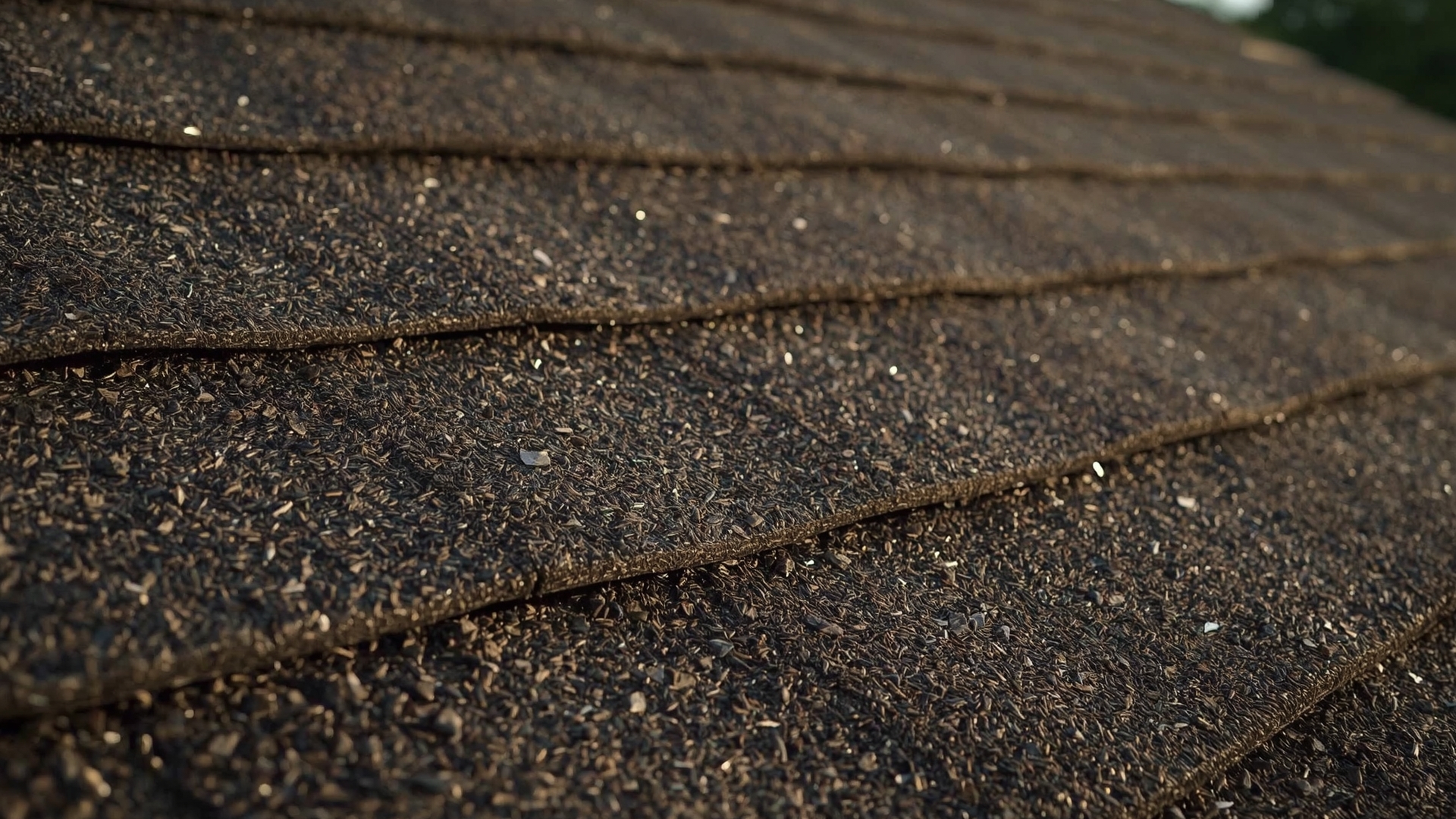
Quick Answer: Stone-coated steel is a steel panel embedded with stone granules — similar to those on asphalt shingles — bonded with an acrylic coating. It looks like tile, wood shake, or shingles but weighs far less. It costs $9–$16 per square foot installed and lasts 40–70 years.
Stone-coated steel combines two materials: a Galvalume or galvanized steel base and a surface layer of stone granules pressed into an acrylic coating. The result is a roof that looks like traditional clay tile or wood shake but weighs 75% less and handles high winds far better.
The stone granules serve two purposes. They add texture and visual depth, making the roof look like a high-end material. They also protect the steel from UV rays, which extends the coating life significantly compared to a plain painted panel.
Stone-Coated Steel: Full Attribute Profile
| Attribute | Value |
|---|---|
| Installed cost | $9–$16 per sq ft |
| Lifespan | 40–70 years |
| Weight | 150 lbs per roofing square |
| Wind resistance | Up to 120–155 mph |
| Fire rating | Class A |
| Impact resistance | Class 4 (UL 2218) |
| Noise reduction | Better than bare metal (granule layer absorbs sound) |
| Style options | Shingle, shake, tile, slate profiles |
| Minimum roof pitch | 3:12 |
How Does Stone-Coated Steel Handle Noise and Heat?
The granule surface absorbs rain impact noise, making stone-coated steel the quietest metal roofing option. Bare metal panels amplify rain sound; granule coatings dampen it. If noise is your main concern with metal roofing, this is the type to consider.
The stone surface also reflects solar heat more effectively than a smooth painted panel. Many stone-coated steel products qualify as cool roofing materials under ENERGY STAR guidelines, which can reduce attic temperatures by 20 to 40°F and lower cooling costs noticeably in hot climates.
Where Is Stone-Coated Steel the Best Choice?
Stone-coated steel performs best in regions that combine heat, wind, and hail — think the Gulf Coast, Texas, and the Mountain West. Its Class 4 impact resistance, high wind ratings, and cool roof properties make it a strong all-around performer in mixed climates. It’s also a strong choice for homeowners who want metal performance without a metal appearance.
Which Metal Roofing Type Is Best for Your Climate?
Quick Answer: Standing seam is best for heavy rain and snow. Corrugated panels suit dry or agricultural settings. Metal shingles work in most climates, especially coastal zones when made from aluminum. Stone-coated steel is the most versatile choice for hot, hail-prone, or wind-heavy regions.
Climate is one of the most important factors when choosing between metal roofing types. The same product that excels in Minnesota winters can underperform in Florida humidity if the wrong metal or coating is used.
Climate-to-Metal Roofing Match Guide
| Climate Type | Best Metal Roofing Type | Key Reason |
|---|---|---|
| Heavy rain / Pacific Northwest | Standing seam | Concealed fasteners prevent long-term leak points |
| Heavy snow / Northeast / Mountain | Standing seam | Smooth surface sheds snow; no fasteners to pull through |
| Coastal / Salt air | Aluminum metal shingles | Aluminum doesn’t corrode in salt environments |
| Hot / Sun Belt / Southwest | Stone-coated steel | Granule surface reflects UV; qualifies for cool roofing credits |
| Hail-prone / Great Plains | Stone-coated steel | Class 4 impact resistance reduces damage risk |
| High wind / Gulf Coast / Tornado Alley | Standing seam or stone-coated steel | Both carry tested wind ratings above 120 mph |
| Agricultural / Rural / Budget-driven | Corrugated panels | Lowest cost; fastest installation; long track record |
What Does Metal Roofing Cost Compared to Asphalt Shingles?
Quick Answer: Metal roofing costs $3–$18 per square foot installed versus $4–$7 for asphalt shingles. Metal costs more upfront but lasts two to three times longer. Over a 50-year period, metal roofing typically has a lower total cost of ownership than asphalt.
The upfront cost difference between metal and asphalt is real. A 2,000 square foot home with architectural asphalt shingles might cost $10,000 to $14,000. The same home with standing seam metal could cost $20,000 to $40,000. That gap closes over time because asphalt roofs need replacing every 20 to 30 years while metal roofs can last 40 to 70 years.
How Do Installation Costs Break Down by Metal Type?
Labor makes up 40 to 60% of the total installed cost for metal roofing. Standing seam requires the most specialized labor — trained crews with clip-and-seam tools — which drives up installation costs. Corrugated panels require the least specialized skill, which is why they’re the cheapest to install.
Metal shingles and stone-coated steel fall in the middle. Their installation is similar enough to asphalt shingles that more contractors can handle it, which creates more competition and keeps labor costs in check.
Does Metal Roofing Add Home Value?
Yes. A metal roof typically returns 60 to 85% of its cost at resale, according to remodeling cost vs. value surveys. In hail-prone or high-wind markets, the return can be higher because buyers understand the insurance and maintenance benefits. Metal roofs also allow some homeowners to qualify for reduced homeowners insurance premiums, particularly if the roof carries a Class 4 impact rating or Class A fire rating.
How Long Does Each Type of Metal Roofing Actually Last?
Quick Answer: Standing seam and stone-coated steel last 40–70 years. Metal shingles last 40–60 years. Corrugated panels last 25–40 years. Lifespan depends on metal type, coating quality, climate exposure, and installation quality. Copper and zinc roofs can last over 100 years.
Lifespan estimates assume proper installation and maintenance. The metal itself rarely fails first. Coatings, fasteners, sealants, and flashing details are the weak points. A standing seam roof installed poorly can fail in 15 years. The same roof installed correctly can last a lifetime.
What Factors Reduce Metal Roof Lifespan?
Galvanic corrosion is one of the most overlooked threats. This happens when two different metals touch each other — for example, copper flashing against a steel panel. The chemical reaction between the two metals causes accelerated corrosion. Always use same-metal or compatible fasteners and flashing.
Coating failure is the second major factor. Most painted metal panels use a PVDF (Kynar 500) coating. This coating typically carries a 30-to-40-year fade and chalk warranty, but UV intensity in southern climates shortens effective life. When the coating fails, the underlying steel or aluminum is exposed to moisture.
Can You Walk on a Metal Roof Without Damaging It?
Quick Answer: Yes, but only if you step on the right areas. On standing seam panels, walk directly over the structural ribs or seams. On corrugated and shingle-style metal roofing, step on the overlap zones near fasteners, not in the unsupported flat panel centers, to avoid denting.
Metal roofs are more walkable than clay tile but less forgiving than asphalt shingles. Thin-gauge corrugated panels (29 gauge) dent more easily than thicker standing seam profiles. Stone-coated steel is the most resistant to foot traffic damage because the granule surface adds rigidity.
Always use soft-soled shoes and walk carefully near panel edges. For steep-pitch metal roofs above 6:12, leave access to professionals with fall protection equipment.
What Is the Best Metal Roofing Type for a Residential Home?
Quick Answer: For most homeowners, standing seam is the best overall metal roofing type due to its concealed fasteners, weather resistance, and long lifespan. For those on a tighter budget or in mixed climates, stone-coated steel offers excellent performance with broader style options.
There’s no single “best” metal roof. The right answer depends on four variables: budget, climate, roof pitch, and desired appearance.
If you want the highest-performing, lowest-maintenance roof and have the budget for it, standing seam is the answer. If you want metal performance with a traditional shingle look and Class 4 impact protection, stone-coated steel is a strong choice. If you’re replacing a roof on a tight budget or an outbuilding, corrugated panels deliver solid value. Metal shingles are the best choice when HOA rules or neighborhood aesthetics require a traditional look.
Questions to Ask Before Choosing a Metal Roof Type
- What is your average annual rainfall, and does your region experience heavy hail or hurricane-force winds?
- Is your roof pitch above 3:12, and are there complex valleys, dormers, or skylights that require detailed flashing work?
- Does your neighborhood have HOA restrictions on roofing materials or colors?
- Are you planning to stay in the home for 20 or more years, making the long-term value of metal relevant?
- Does your attic have adequate insulation to address any potential noise concerns from metal panels?
Frequently Asked Questions About Metal Roofing Types
Does a metal roof make your house hotter in summer?
No. Metal roofs with light-colored or reflective coatings actually reduce heat gain. Stone-coated steel and standing seam panels with cool-roof finishes can lower attic temperatures by 20 to 40°F compared to dark asphalt shingles. Proper attic ventilation is still essential regardless of roofing material.
How do I know what gauge metal panel to choose?
Lower gauge numbers mean thicker metal. For residential roofing, 24 gauge steel is the standard for standing seam panels. Corrugated panels commonly come in 26 to 29 gauge. Thicker panels (22 to 24 gauge) resist hail and foot traffic better. Thinner panels (29 gauge) are lighter but dent more easily.
Can metal roofing be installed in winter?
Yes. Metal panels can be installed in cold weather, which is an advantage over asphalt shingles that require temperatures above 40°F to seal properly. Metal does contract slightly in cold temperatures, so installers need to account for thermal expansion gaps. Standing seam systems are specifically designed to accommodate this movement.
Do metal roofs rust over time?
Bare steel will rust, but modern metal roofing doesn’t use bare steel. Galvalume steel is coated with an aluminum-zinc alloy that acts as a sacrificial barrier. Aluminum and zinc metal panels are naturally corrosion-resistant. Cut edges on steel panels are the most vulnerable points and should be treated with zinc-rich primer if left exposed.
What is the difference between Galvalume and galvanized steel in metal roofing?
Both are steel with a protective coating, but the coating composition differs. Galvanized steel uses a pure zinc coating. Galvalume uses a zinc-aluminum alloy (typically 55% aluminum, 43.4% zinc, 1.6% silicon). Galvalume resists corrosion longer than galvanized in most environments, which is why it’s become the standard for residential metal roofing panels.
How does metal roofing affect homeowners insurance?
Many insurance carriers offer premium discounts for metal roofs with Class 4 impact ratings or Class A fire ratings. Stone-coated steel and metal shingles that meet UL 2218 Class 4 impact testing are the most commonly discounted. Discount amounts vary by carrier and state but typically range from 5 to 30% off the wind and hail portion of your premium.